

Historic sites
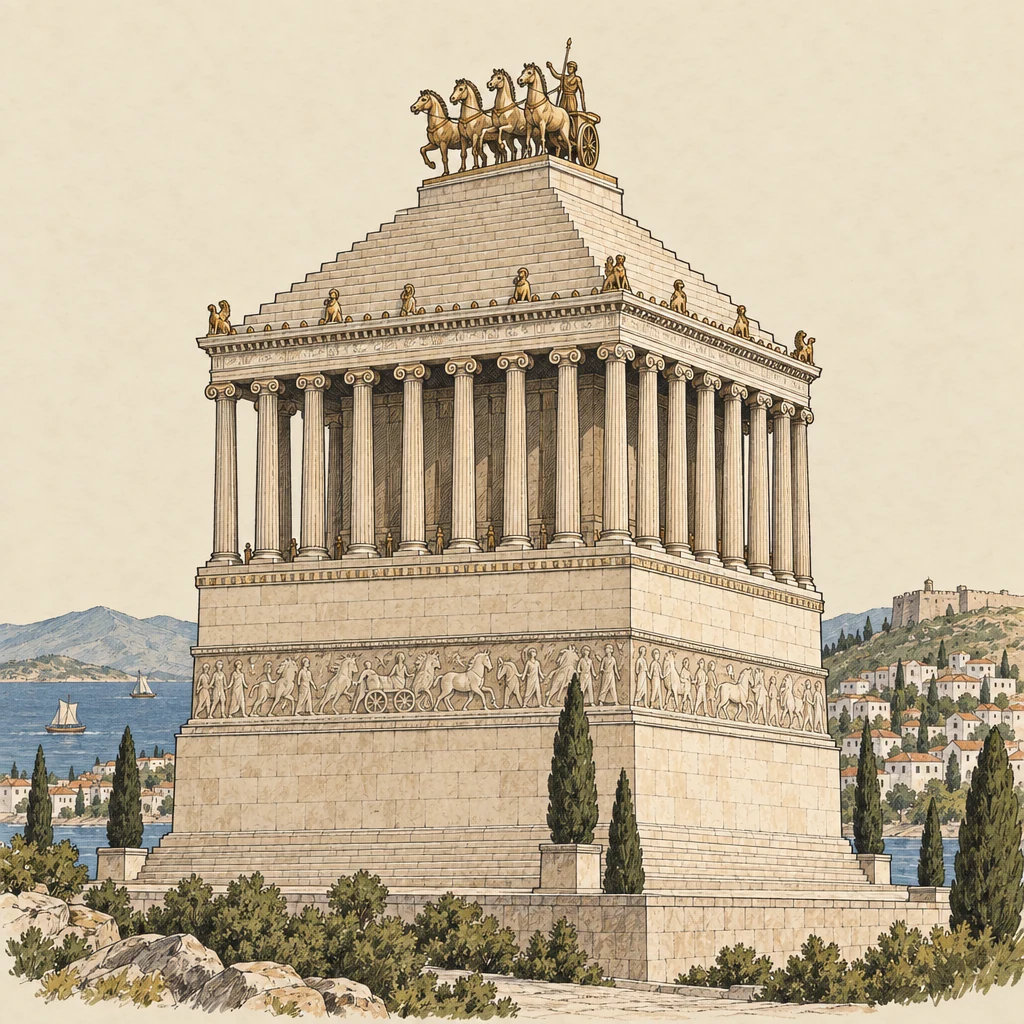
Halikarnas Mozolesi
The tomb of King Mausolus in Bodrum, one of the Seven Wonders of the Ancient World.

The Turkish encyclopedia
The Turkish encyclopedia
Ancient cities, castles, caravanserais and rock tombs across Türkiye that are worth the detour without being on the World Heritage list.
11 pages in this category.
Historic sites
The tomb of King Mausolus in Bodrum, one of the Seven Wonders of the Ancient World.
Historic sites
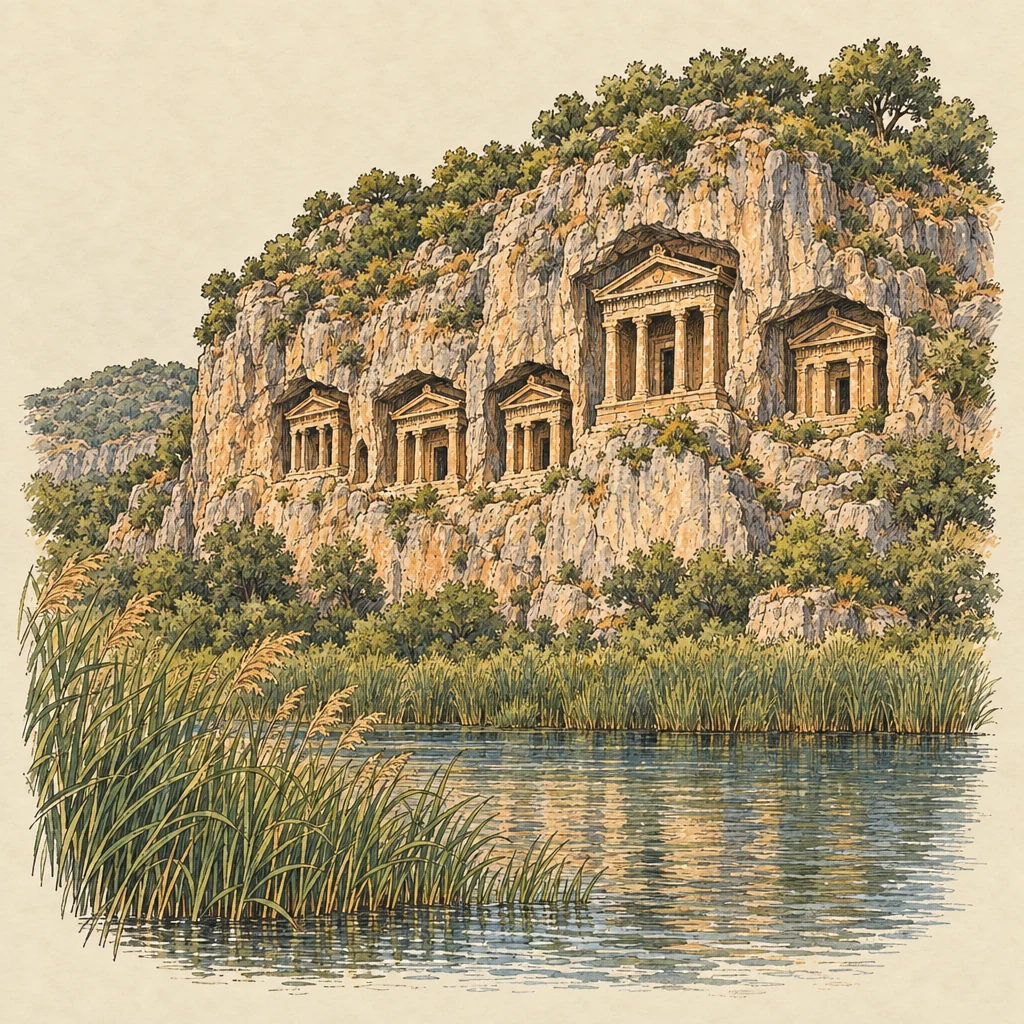
An ancient Carian port whose temple-fronted rock tombs look down on the river at Dalyan.
Historic sites
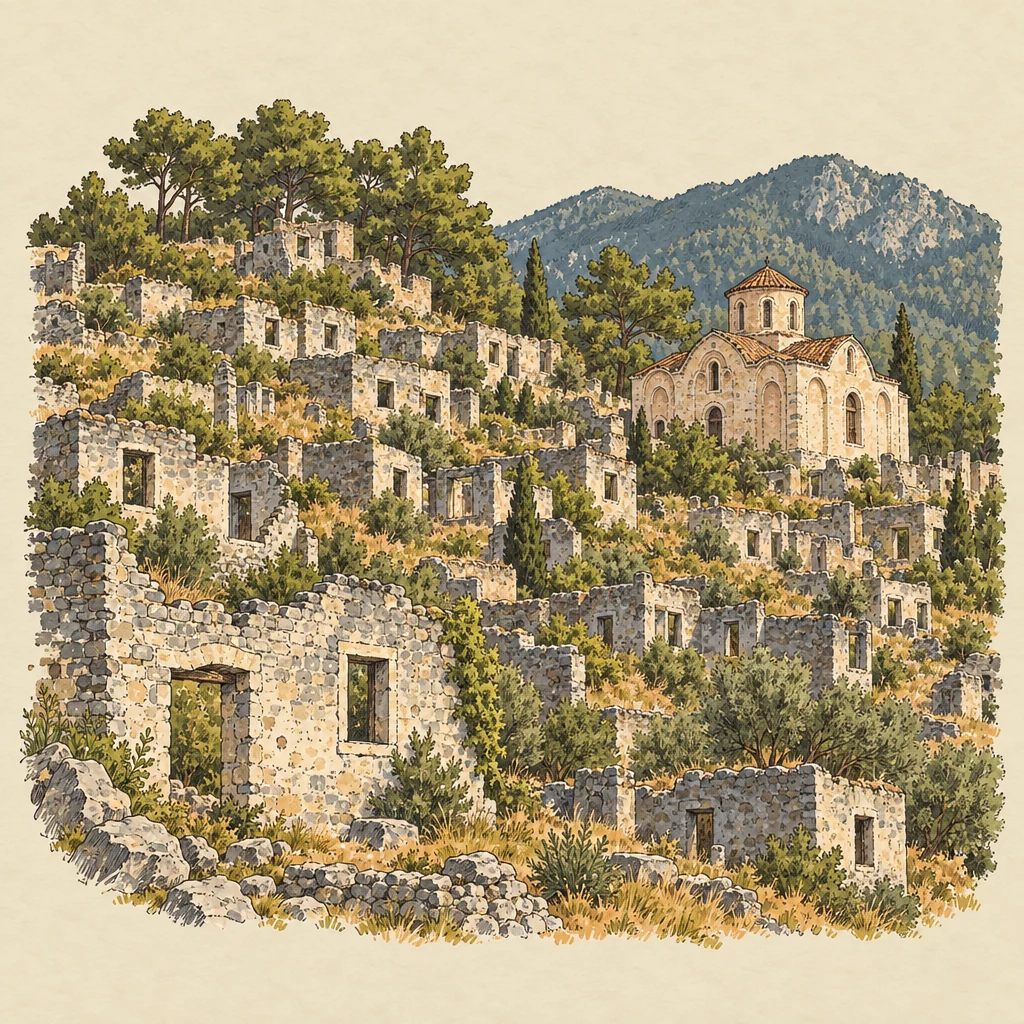
A hillside town of empty stone houses near Fethiye, left behind after the 1923 population exchange.
Historic sites
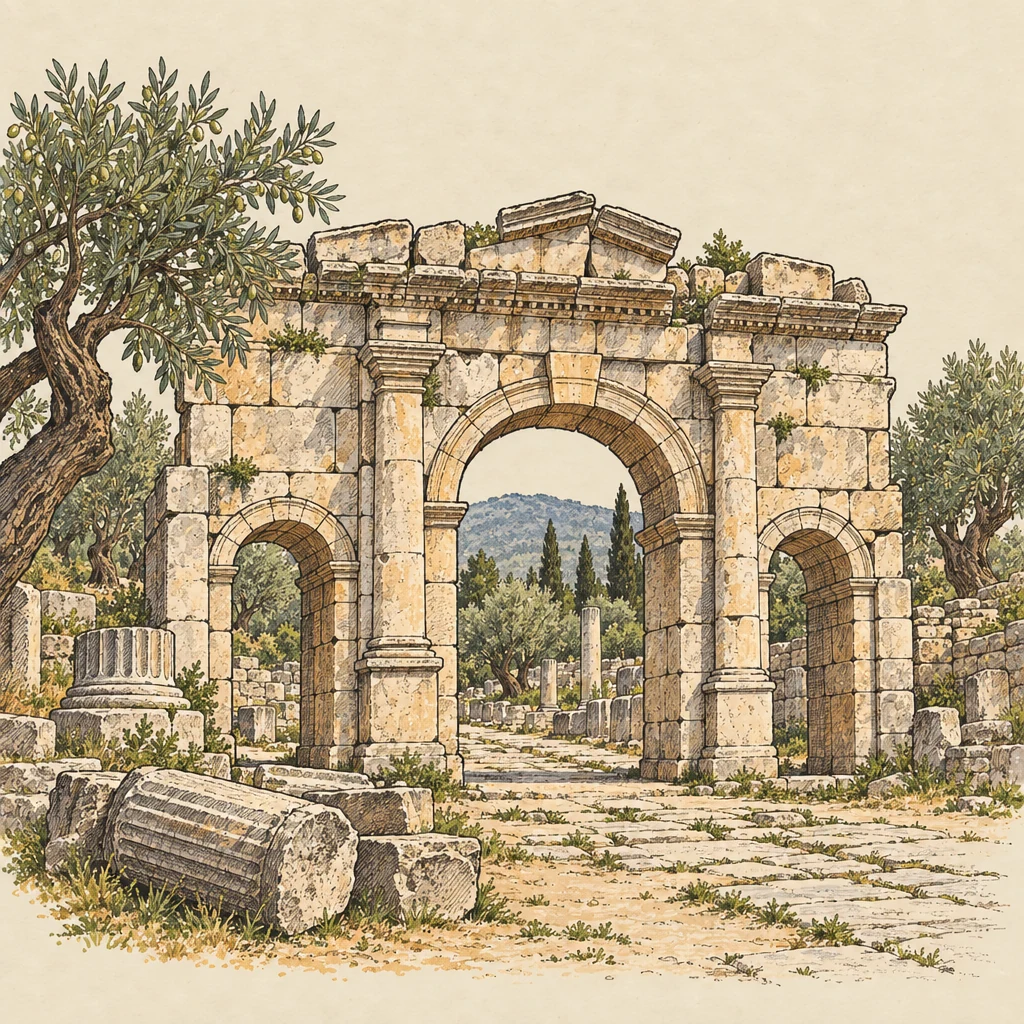
A Carian and Roman city near Yatağan, lived in from antiquity to the Ottoman era.
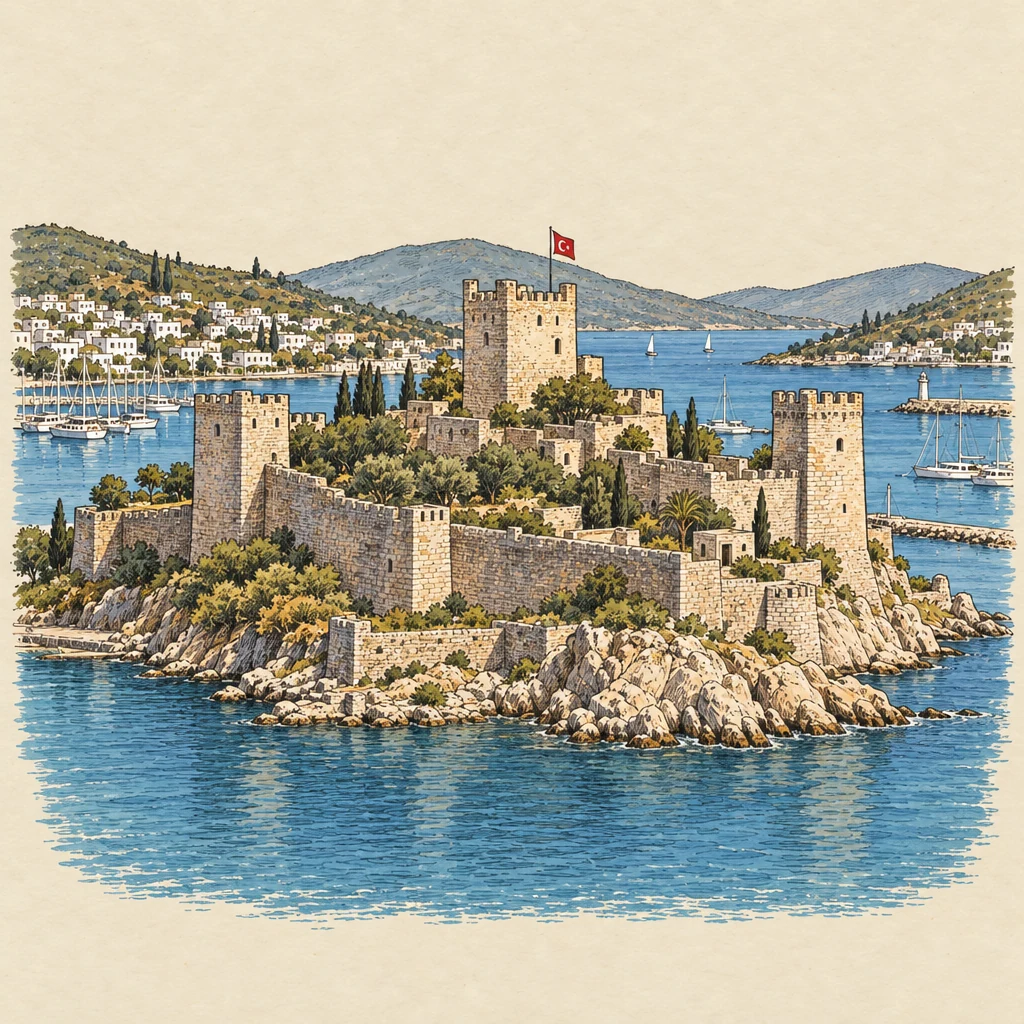
Historic sites
A castle of the Knights of St John on Bodrum's harbour, home to the Museum of Underwater Archaeology.
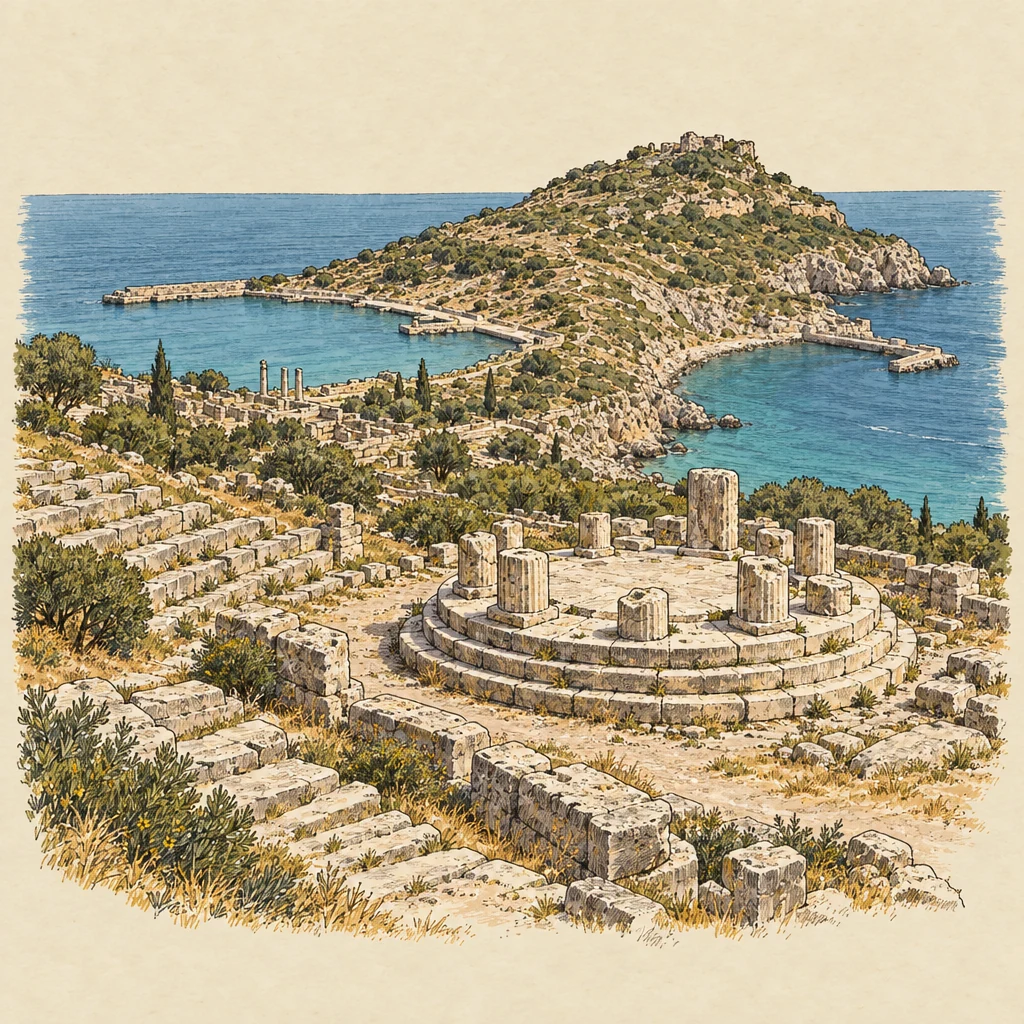
Historic sites
An ancient Dorian city at the western tip of the Datça peninsula, with two harbours and a round temple.
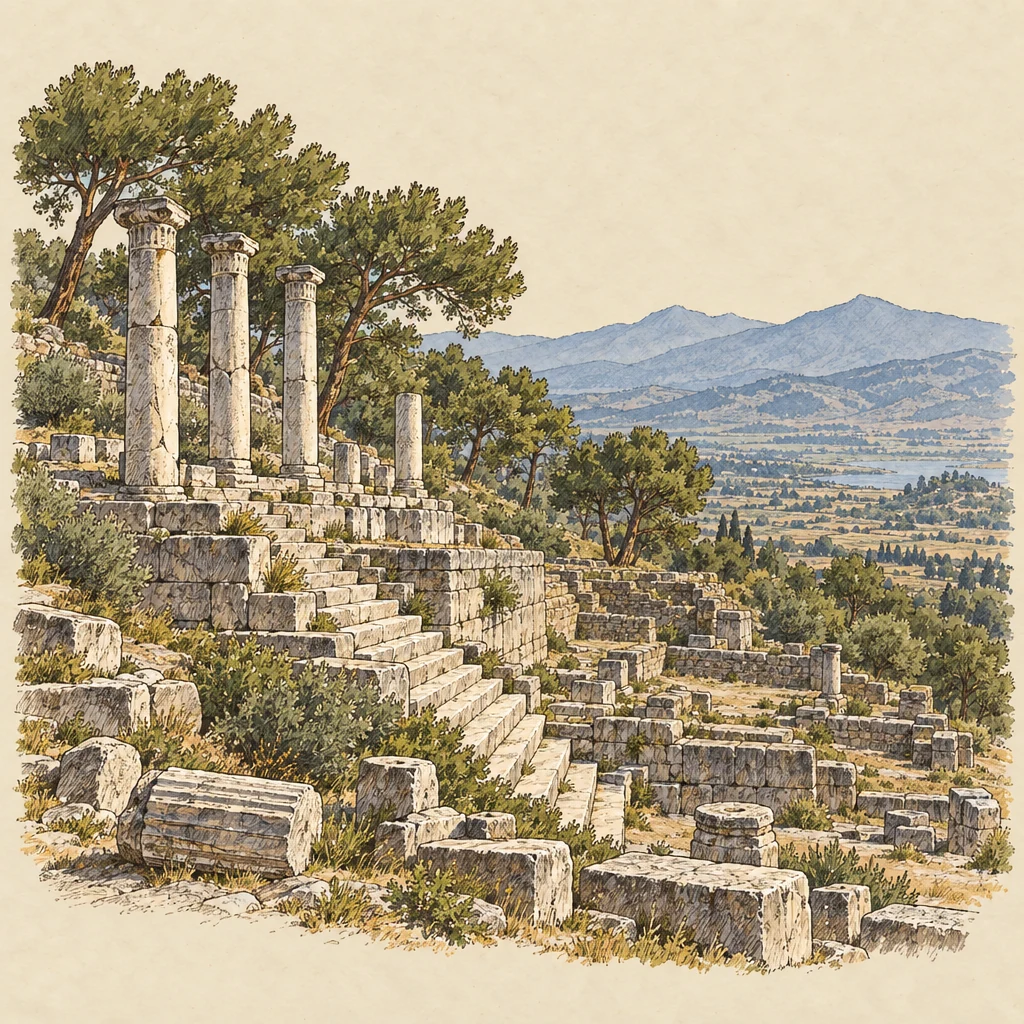
Historic sites
A mountain sanctuary of Zeus above Milas, the ancestral shrine of the Carian ruler Mausolus and his family.
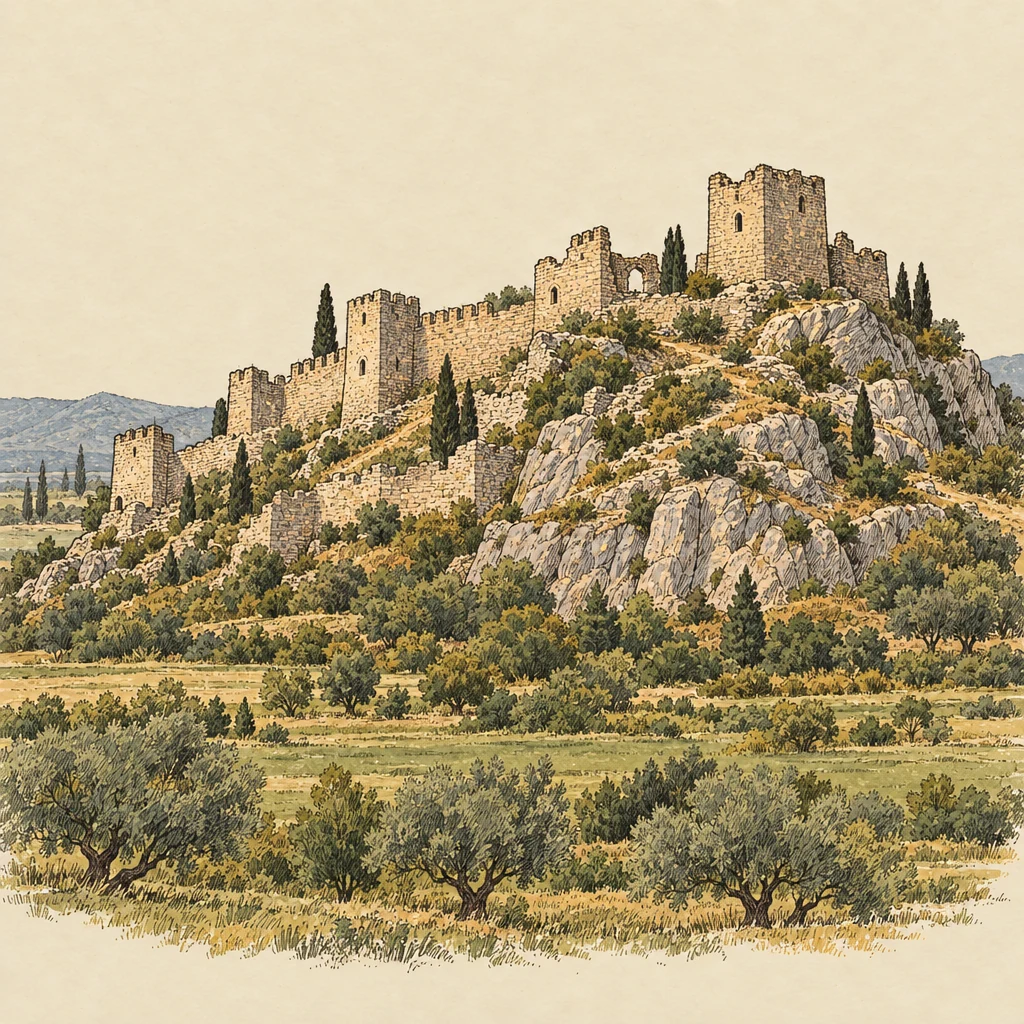
Historic sites
A hilltop castle near Milas that became a medieval Turkish capital, now a quiet field of ruins.
Historic sites
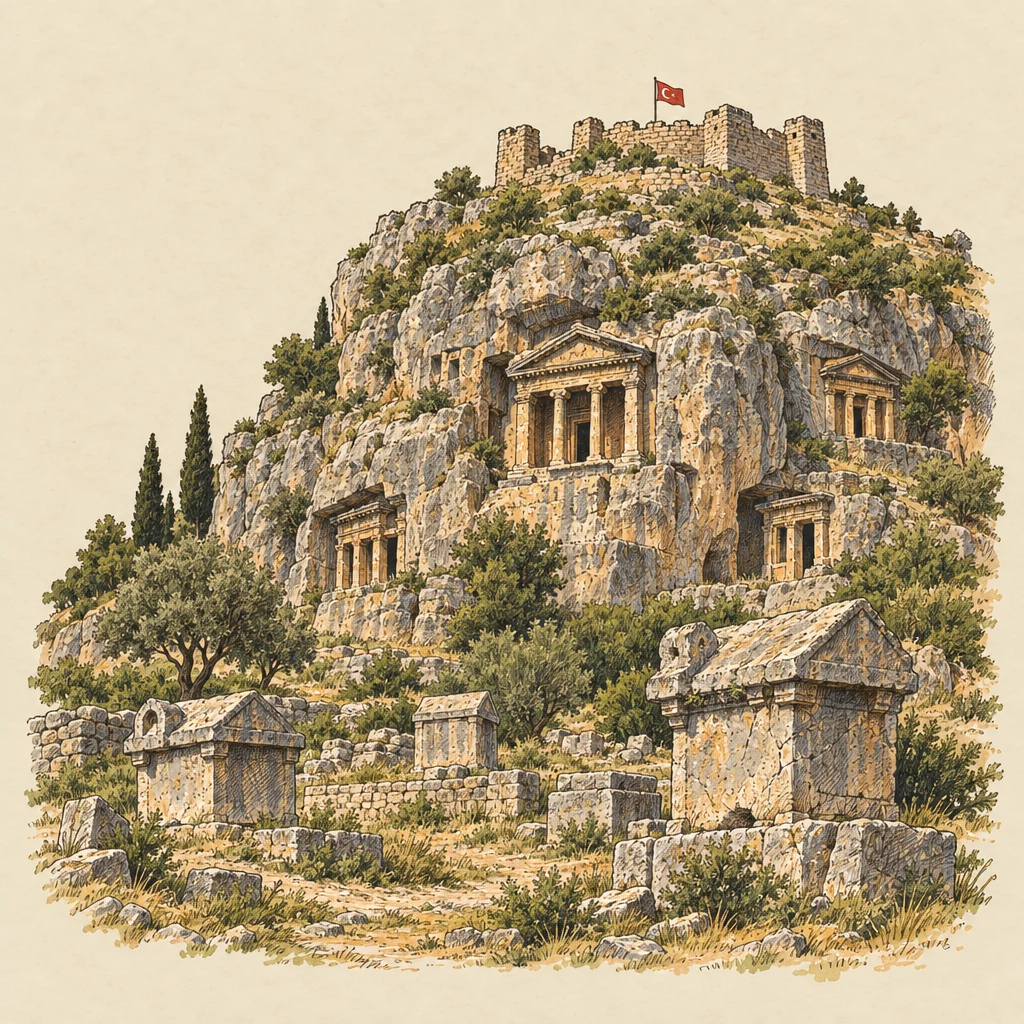
One of the oldest cities of Lycia, on a rocky height near Saklıkent, known for its rock tombs.
Historic sites
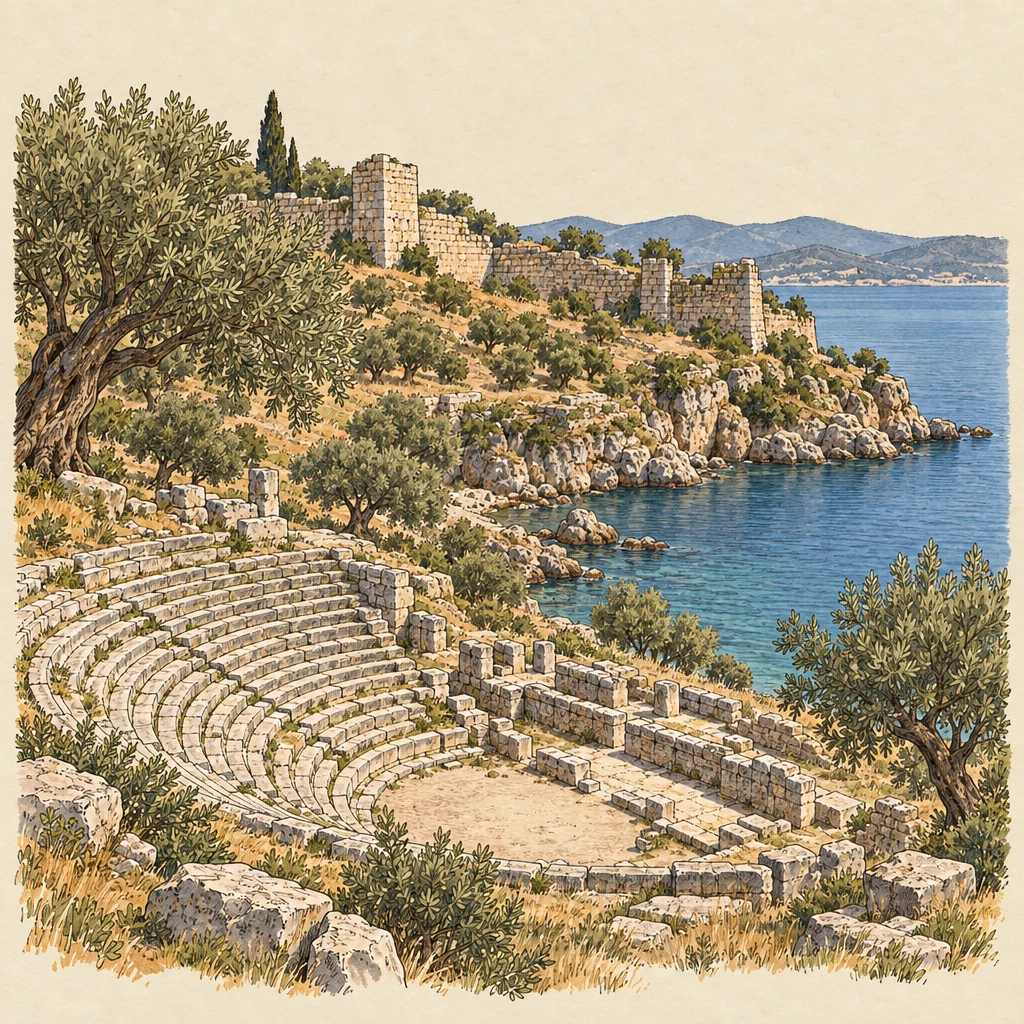
An ancient harbour city on the Güllük gulf near Milas, once an island, lived in since the Bronze Age.
Historic sites
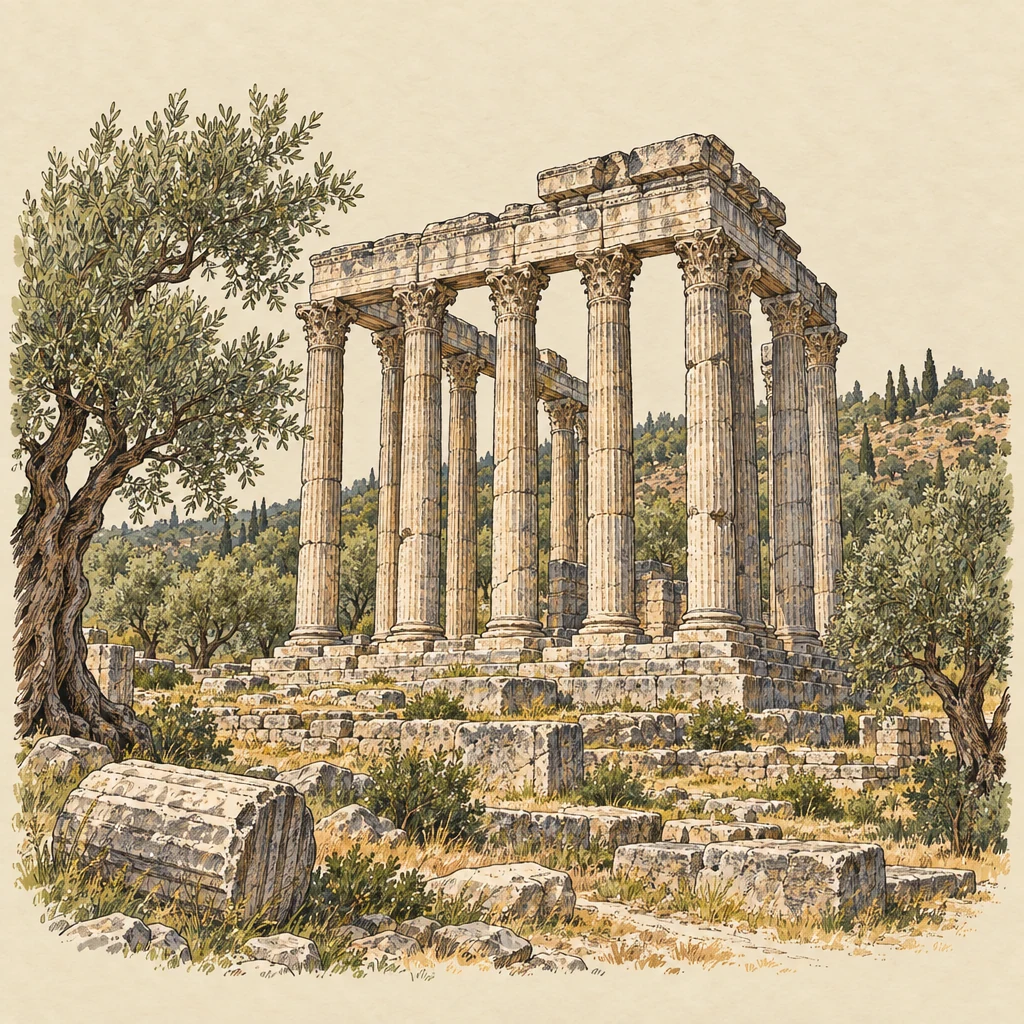
A Carian city near Milas whose temple of Zeus still has sixteen columns standing.
Only by the list. A World Heritage inscription is a formal designation a country applies for, and plenty of remarkable places have never been nominated or are still on the tentative list. Those are the ones gathered here.
Because almost everyone came through. Anatolia was Hittite, Phrygian, Lydian, Greek, Persian, Roman, Byzantine, Seljuk and Ottoman in turn, and each layer built on what it found, which is why one hill can hold nine cities stacked on top of each other.
Most are, though the smaller ones keep shorter hours and some are simply a field with a sign. Each page says what is actually there now, rather than what was there two thousand years ago.