
Skip to the page

A province of Türkiye · Ege Bölgesi

Muğla
Türkiye's southwest corner, where Aegean and Mediterranean coasts meet: Bodrum, Fethiye, Marmaris, ancient Caria and pine honey.
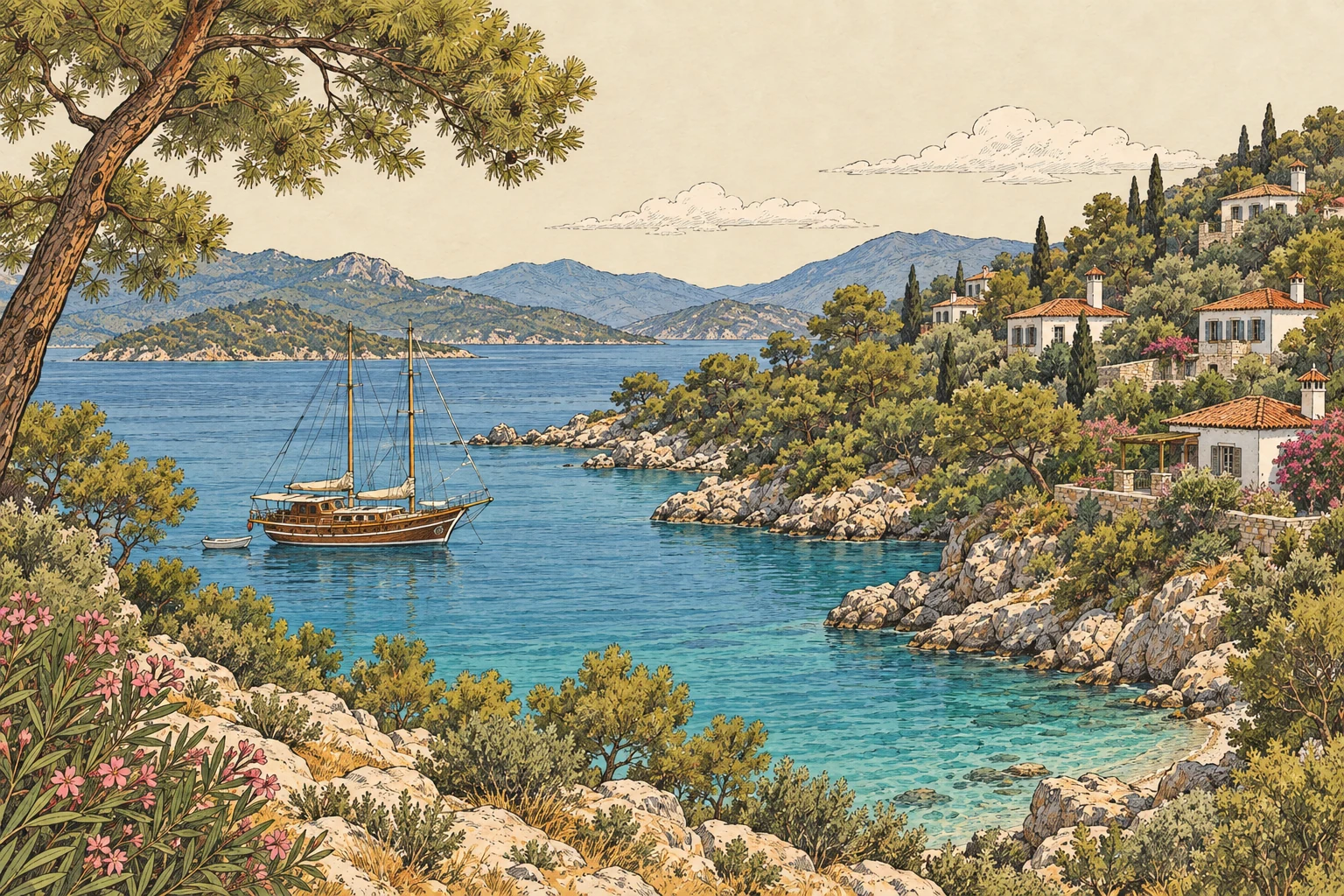
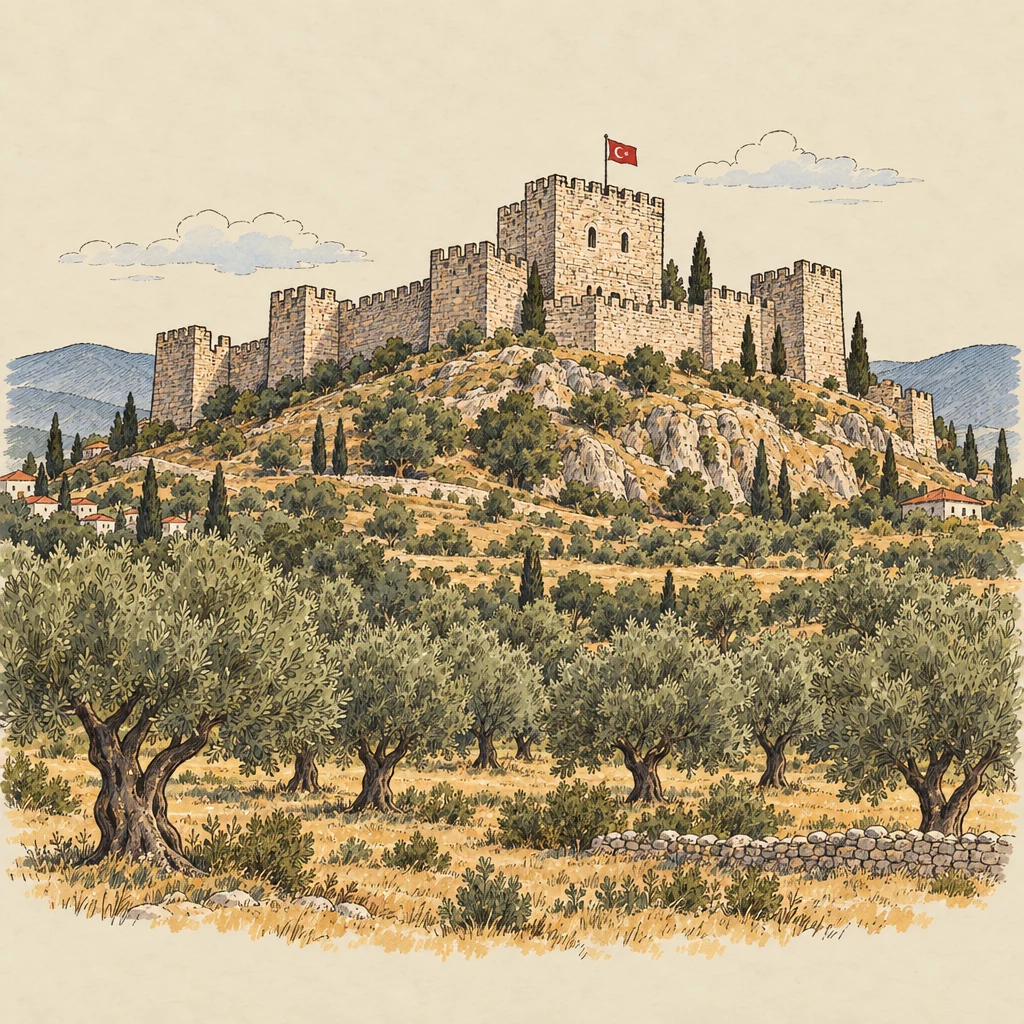
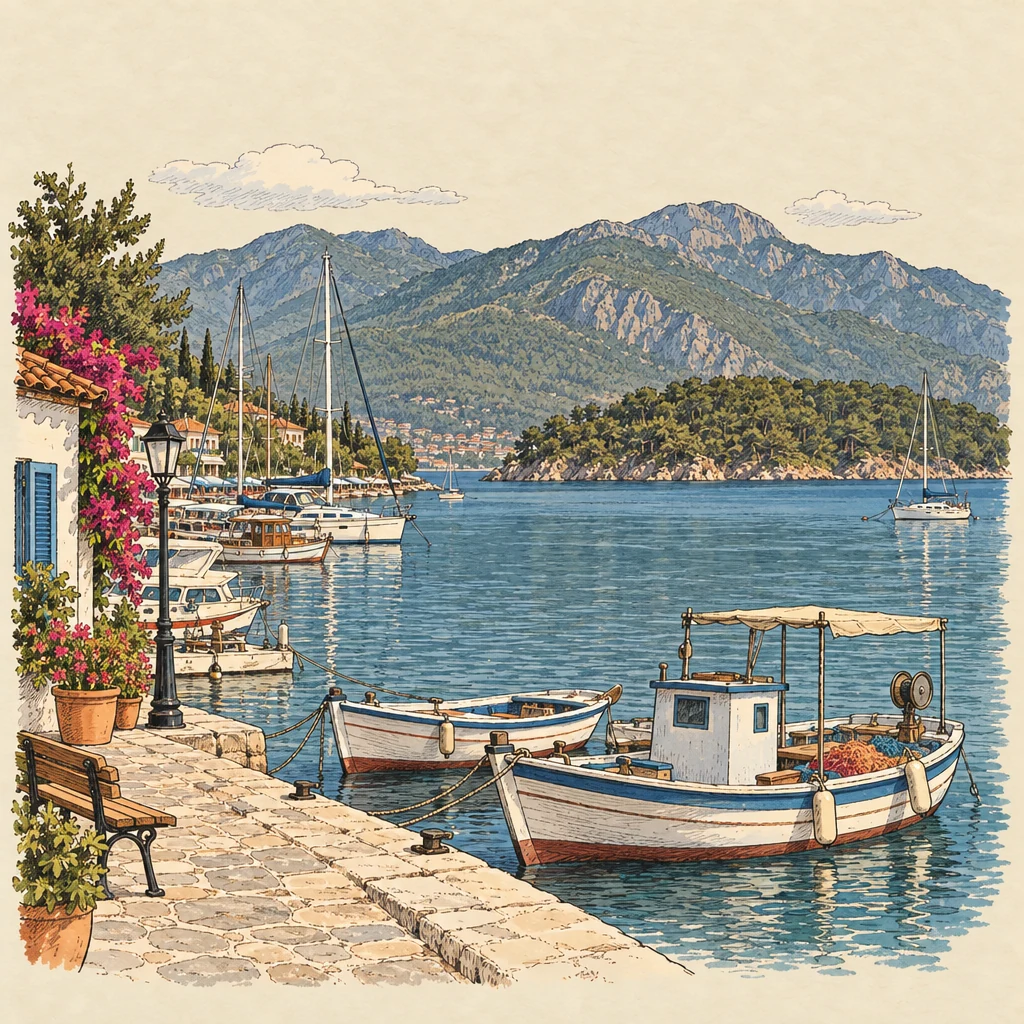
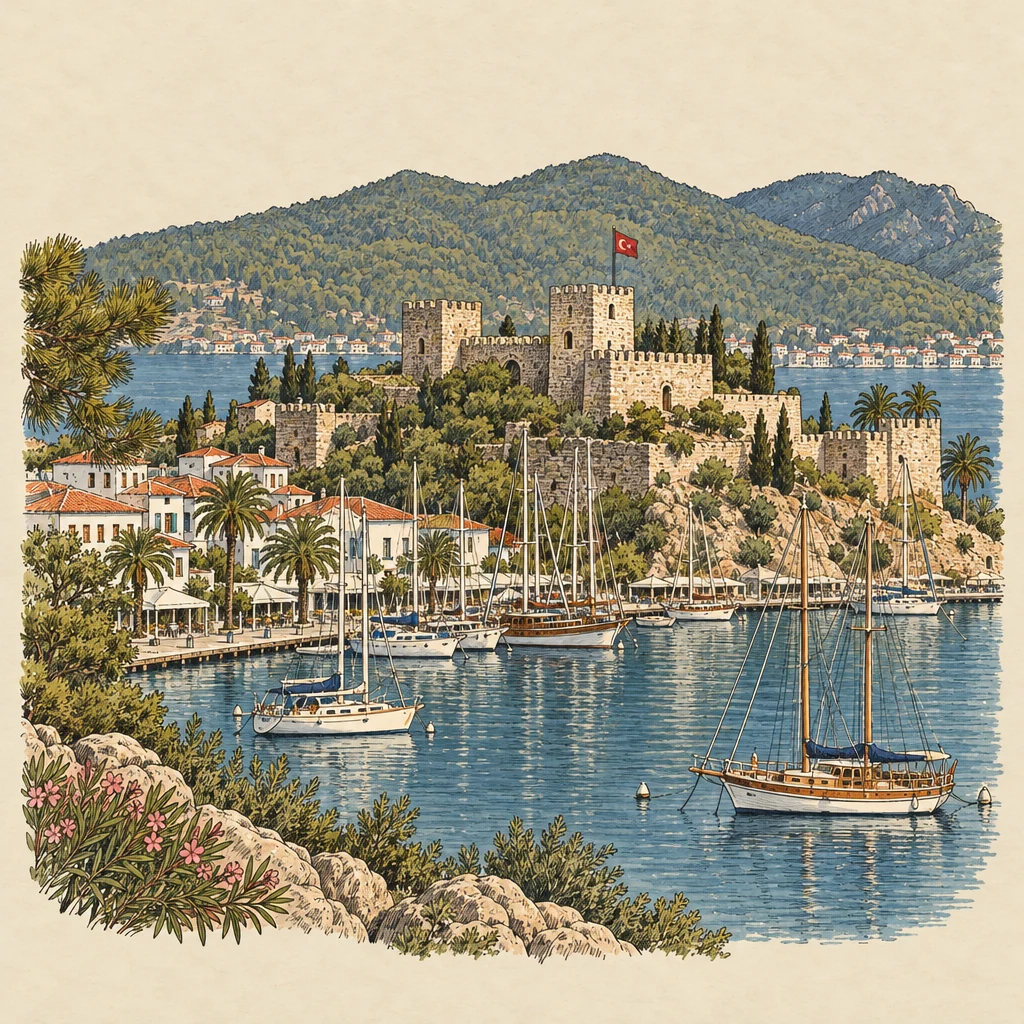
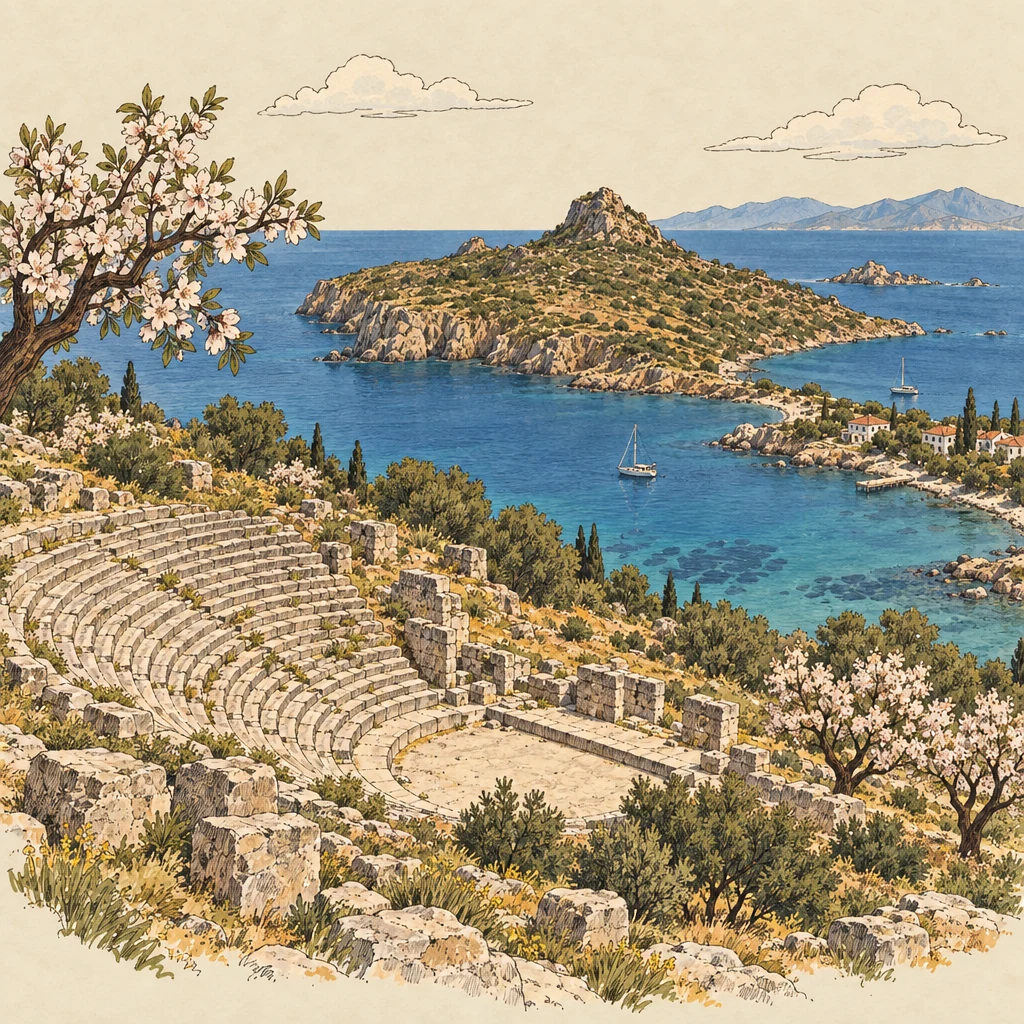
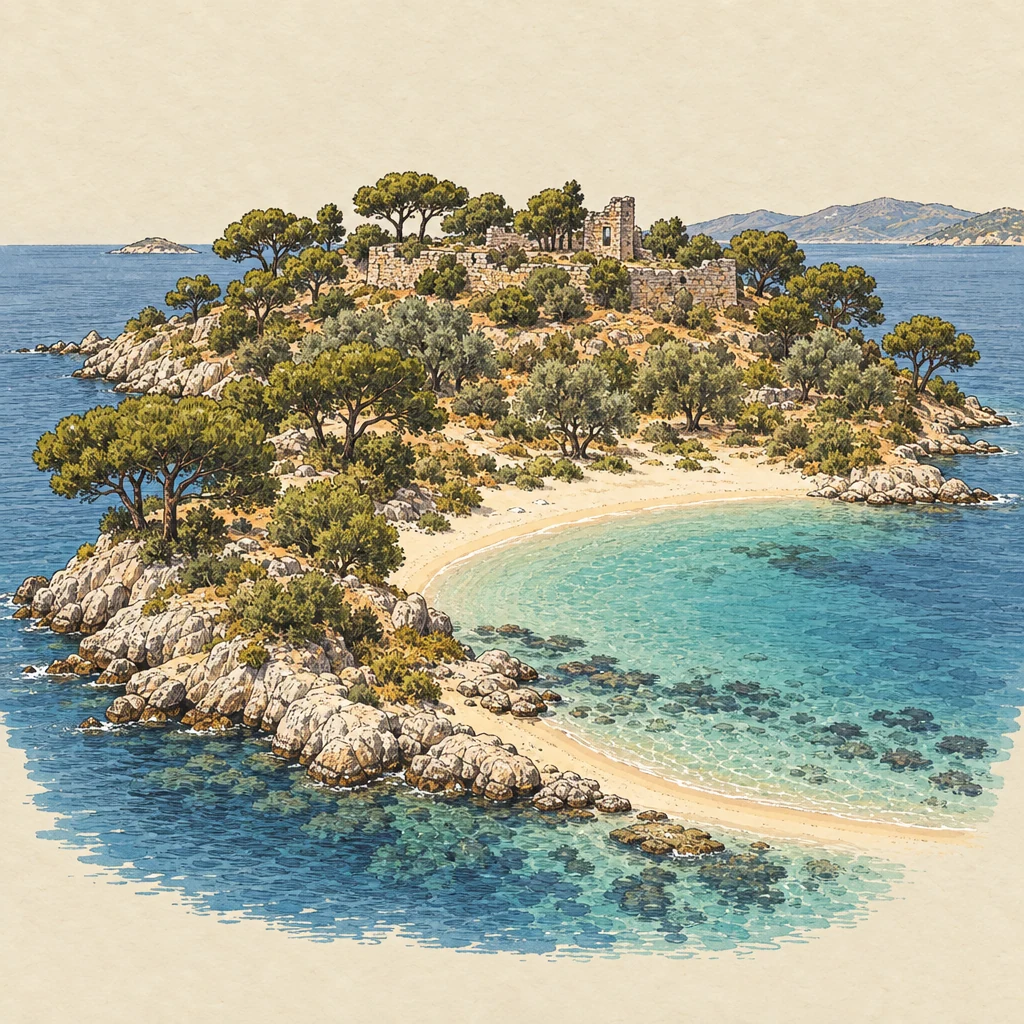
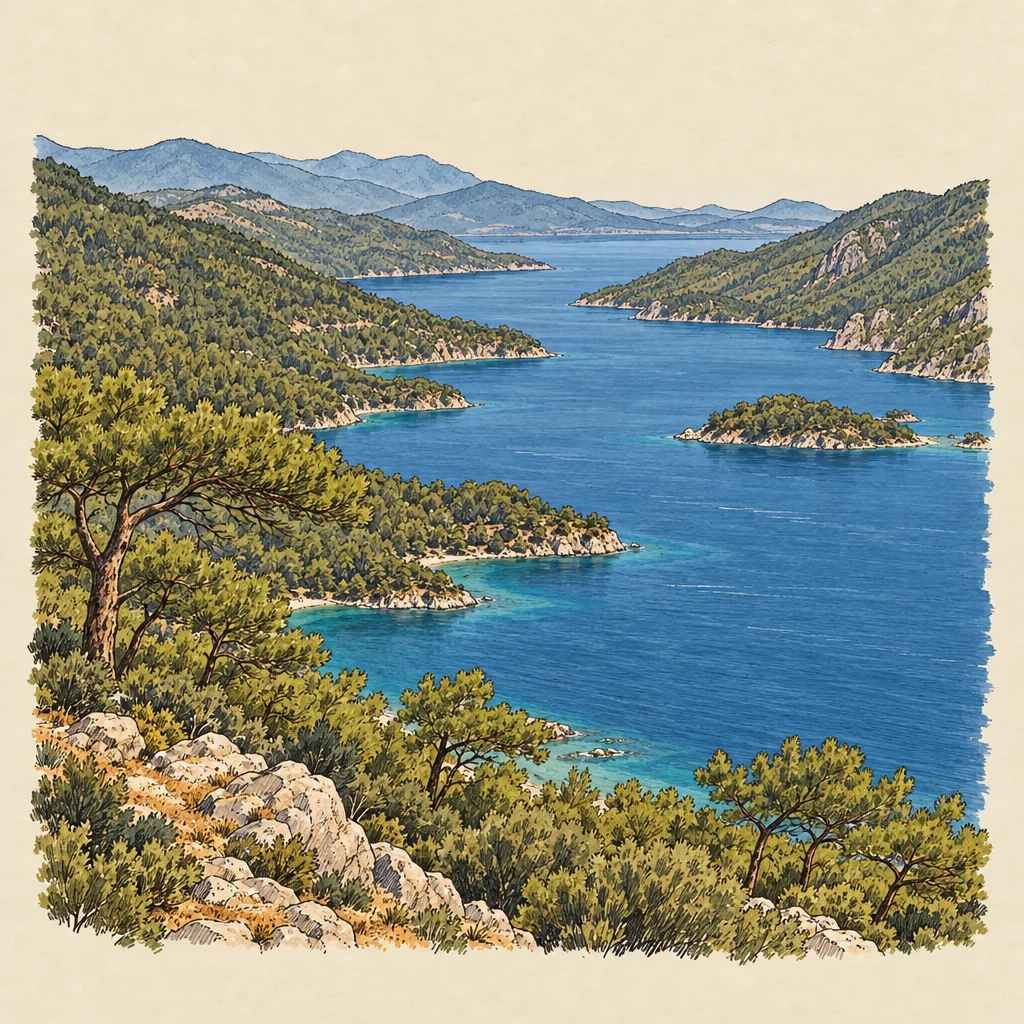
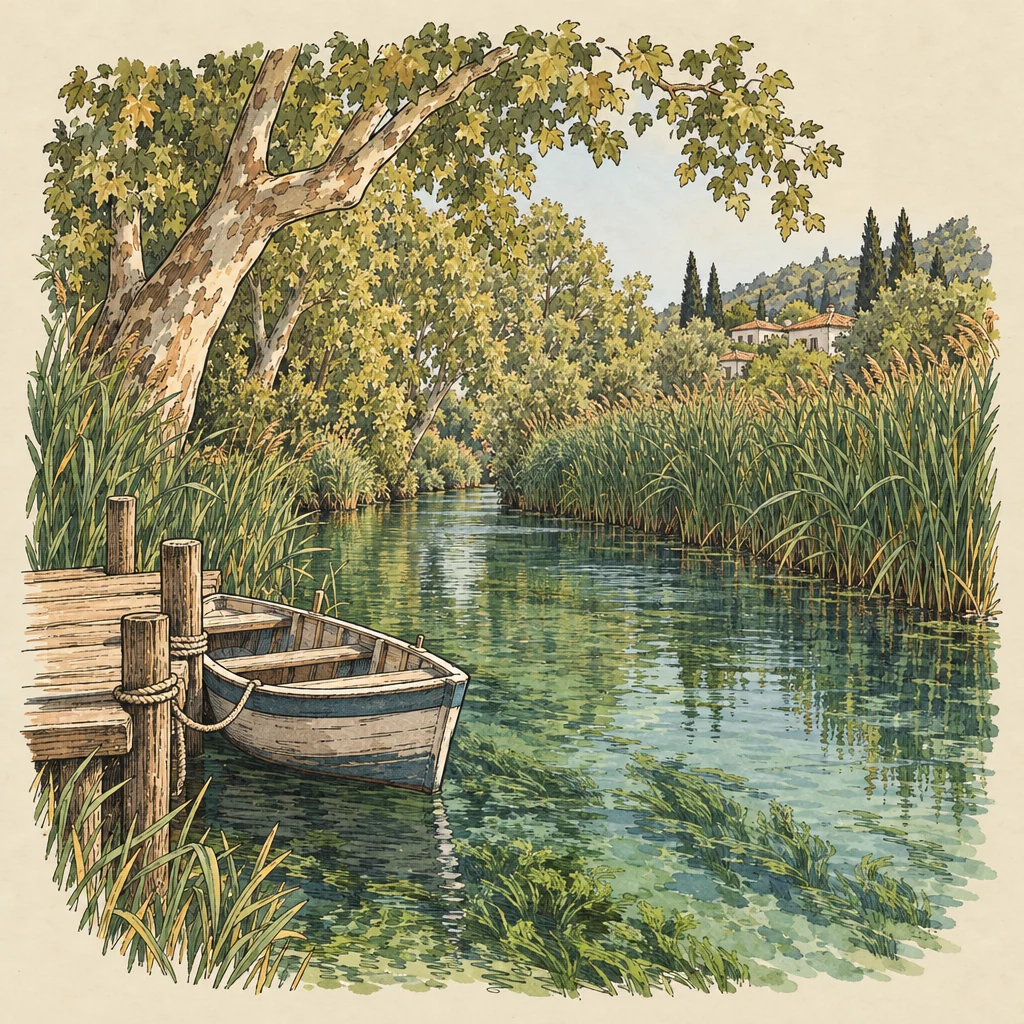
Muğla — a landscape of the province from the Suzy Talks Turkey encyclopedia

The Turkish name

Muğla

The place

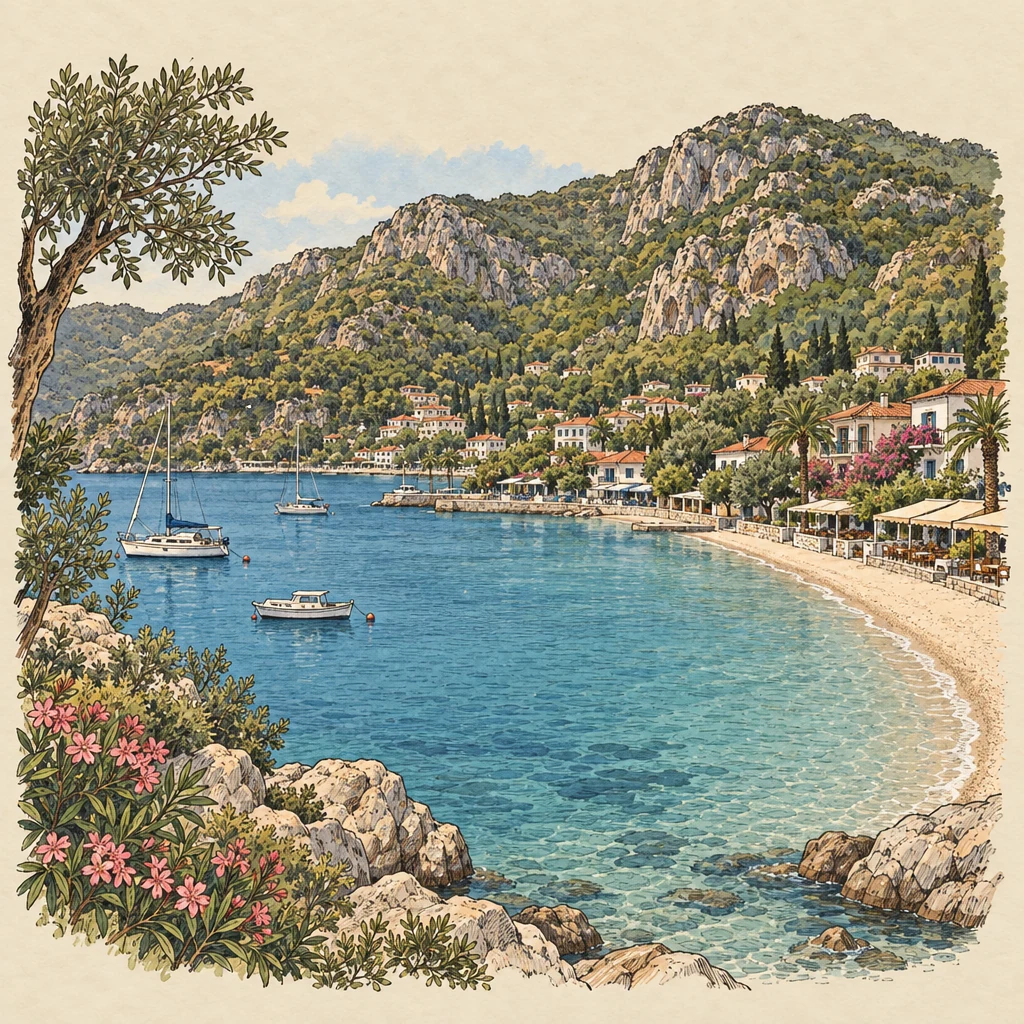
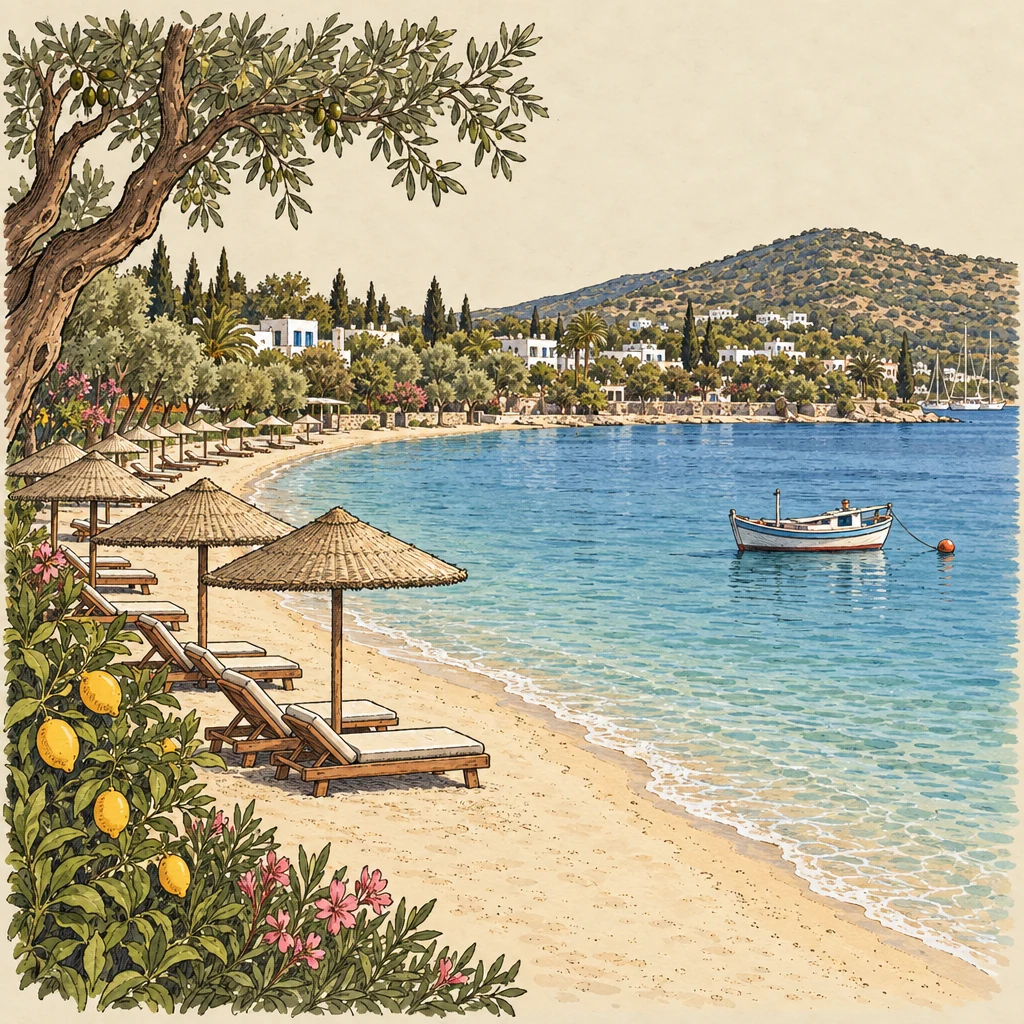
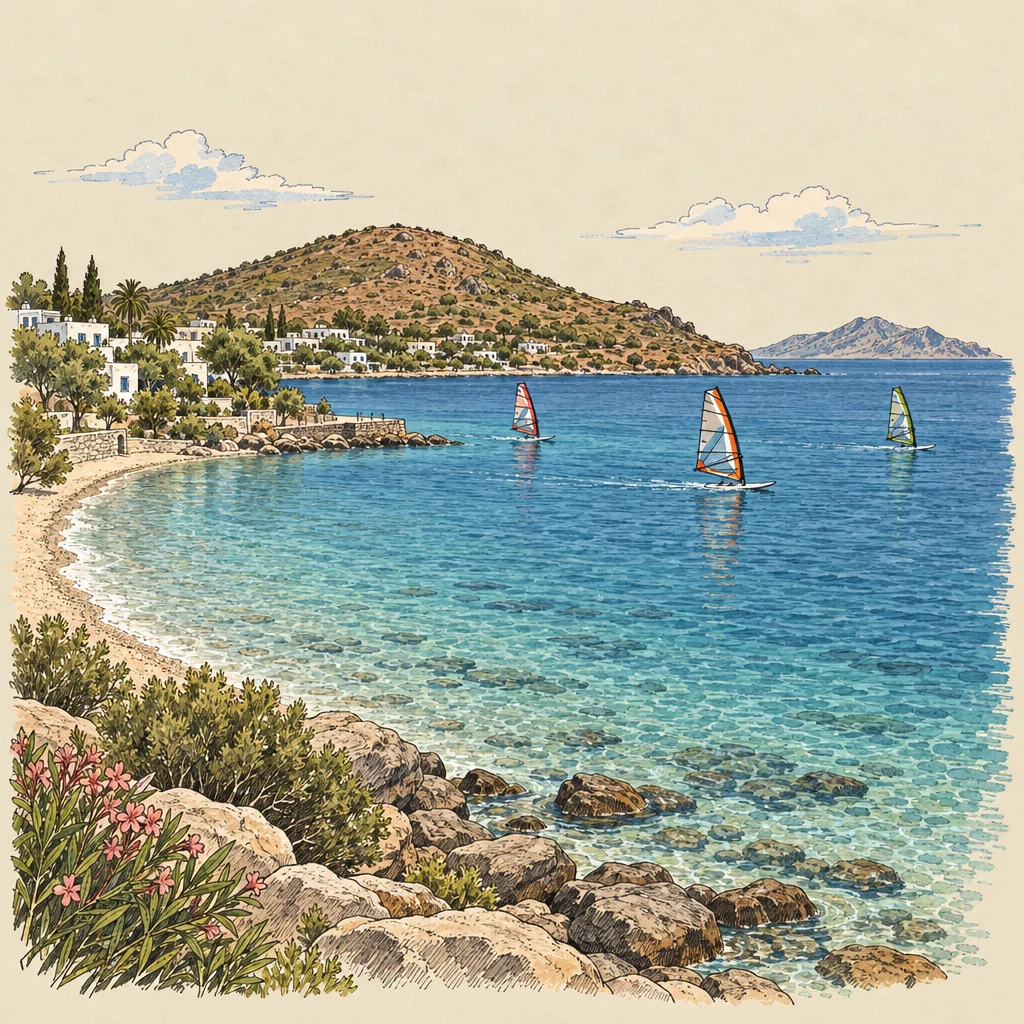
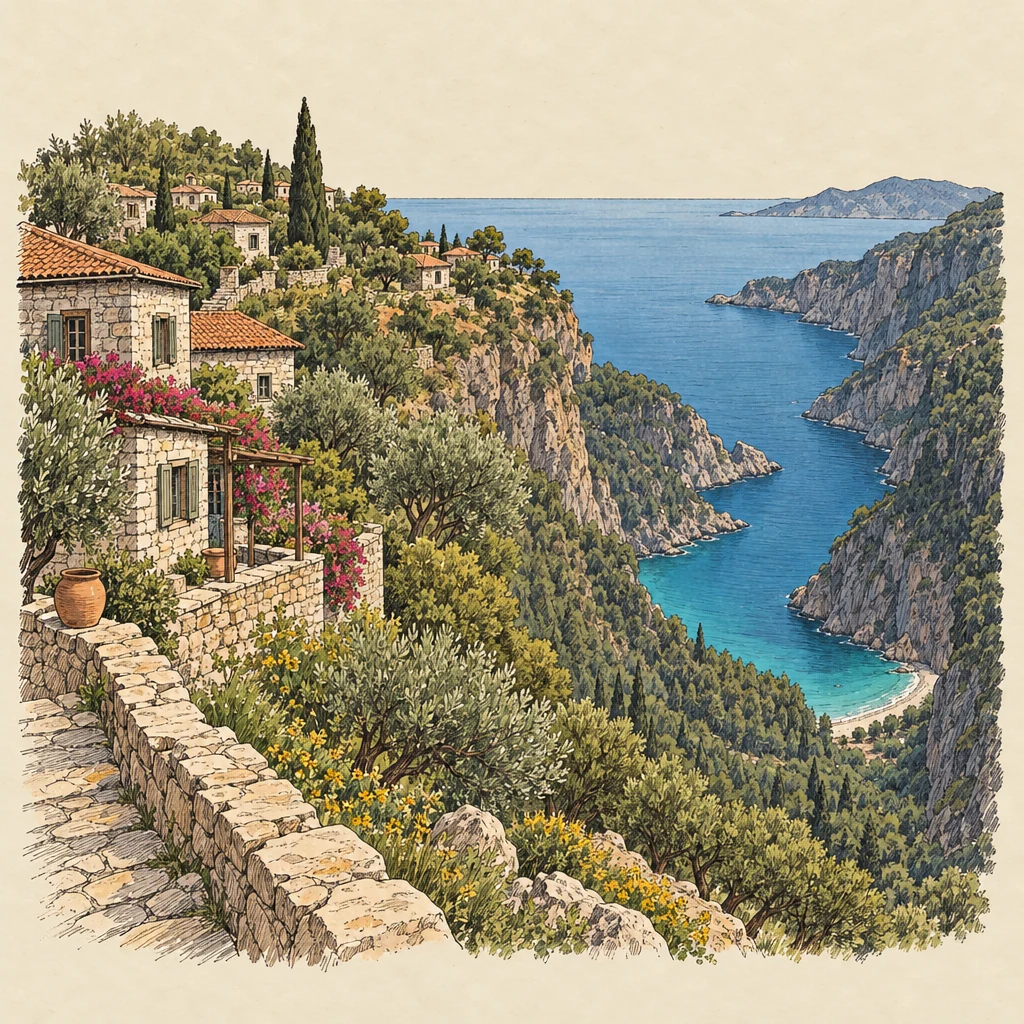
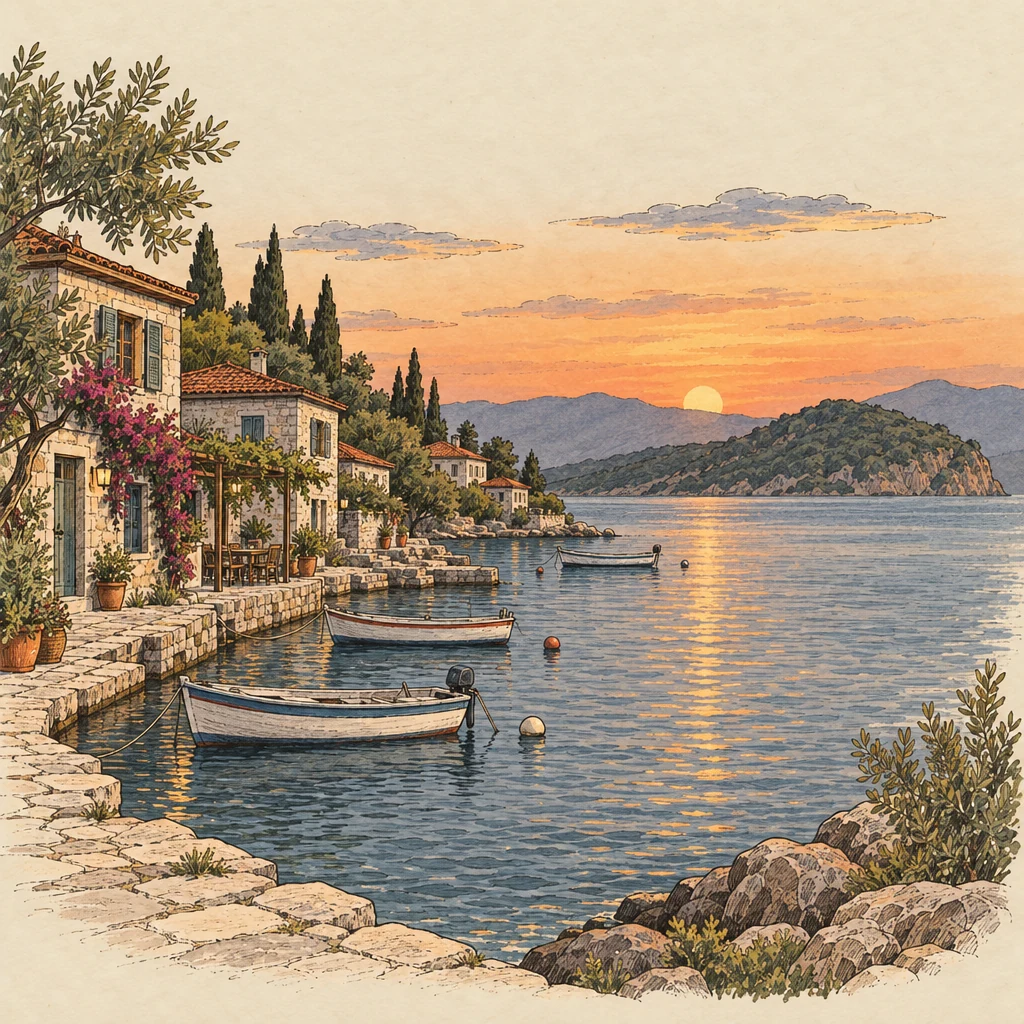
Muğla is the province at Türkiye's southwestern corner. The Aegean Sea lies to its west and the Mediterranean to its south, and most of it belongs to the Aegean Region, with a small part in the Mediterranean Region. Its coves and resorts, among them Bodrum, Marmaris, Datça and Fethiye, sit between pine-covered mountains and turquoise water, and inland there are two large lakes, Bafa and Köyceğiz.

In ancient times the north and west of the province were part of Caria, home of cities such as Halikarnassos (Bodrum) and Knidos, while the Mediterranean side around Fethiye belonged to Lycia. The Lycian sanctuary of Letoon, in the Fethiye area, is a UNESCO World Heritage Site. In the thirteenth century the region came under the Menteşe Beylik, based in Milas, and later passed to the Ottomans.

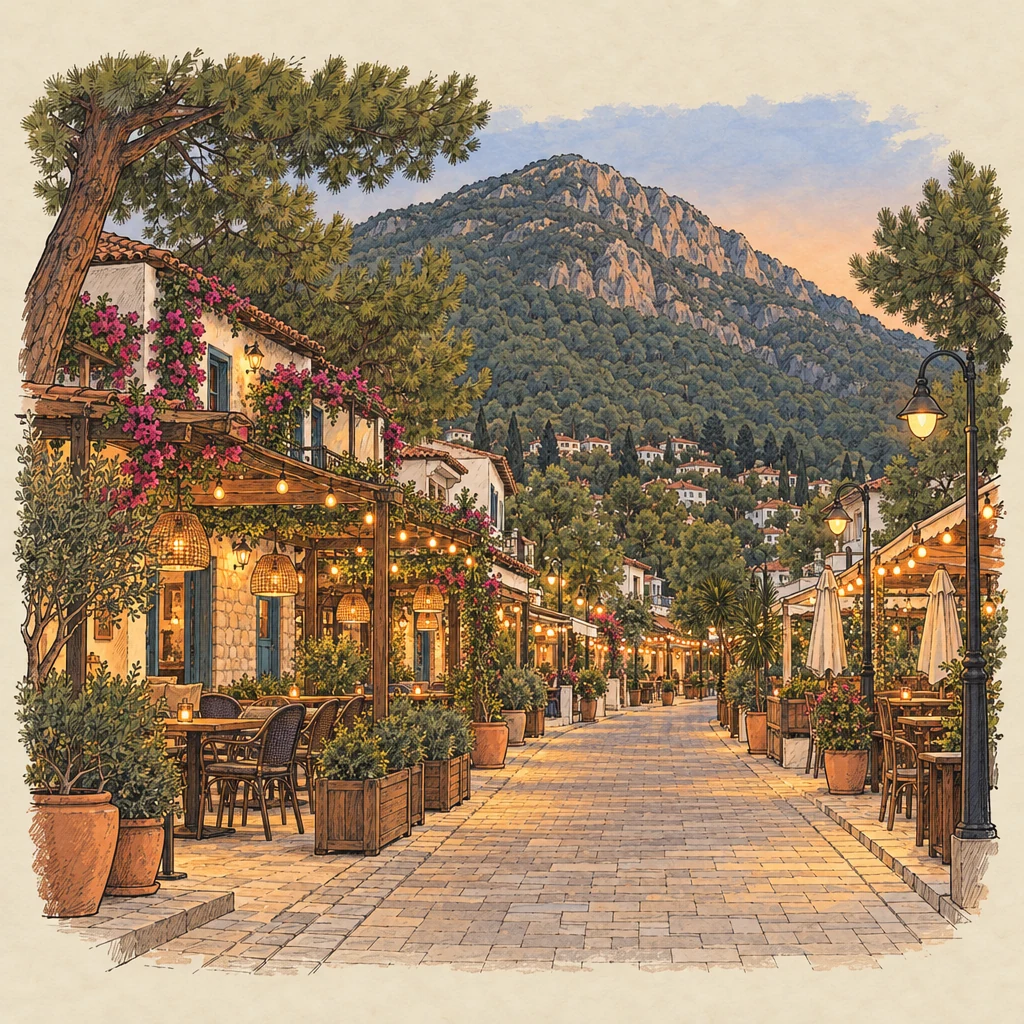
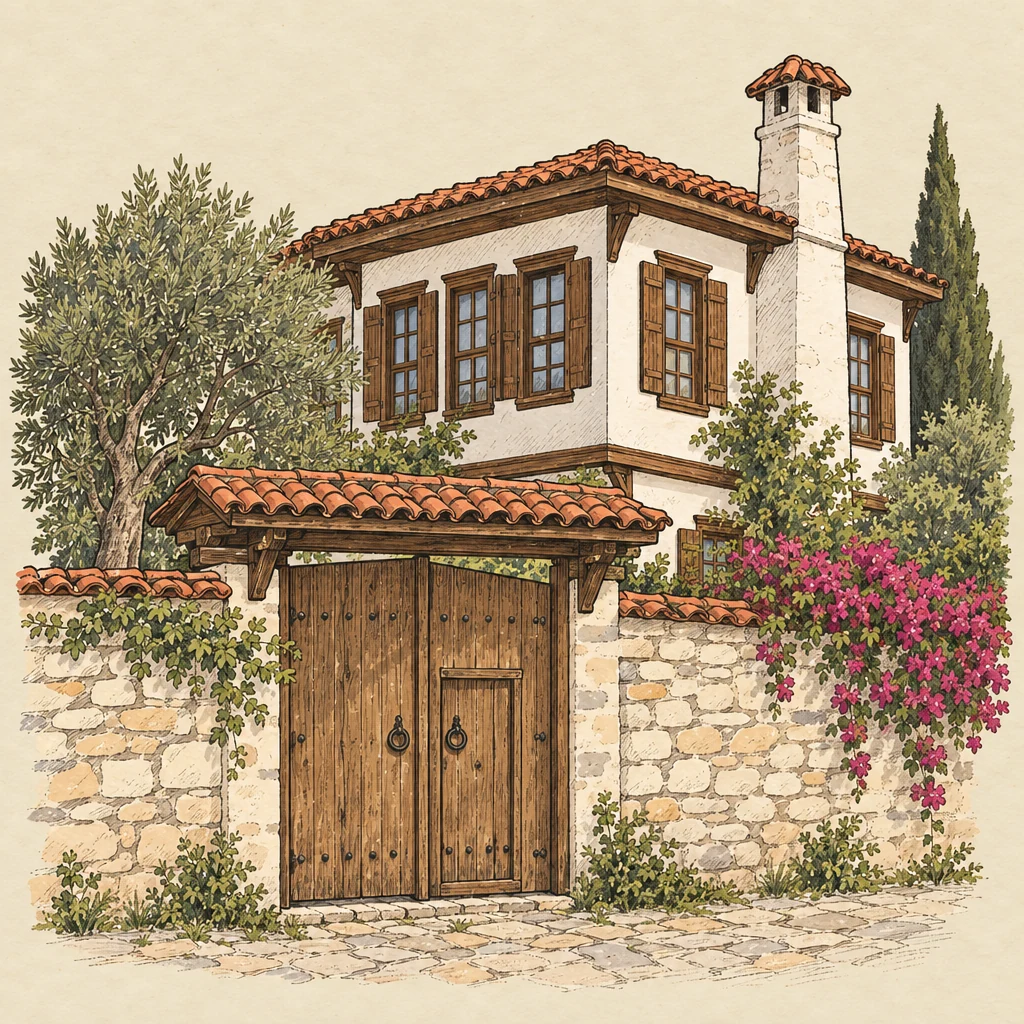
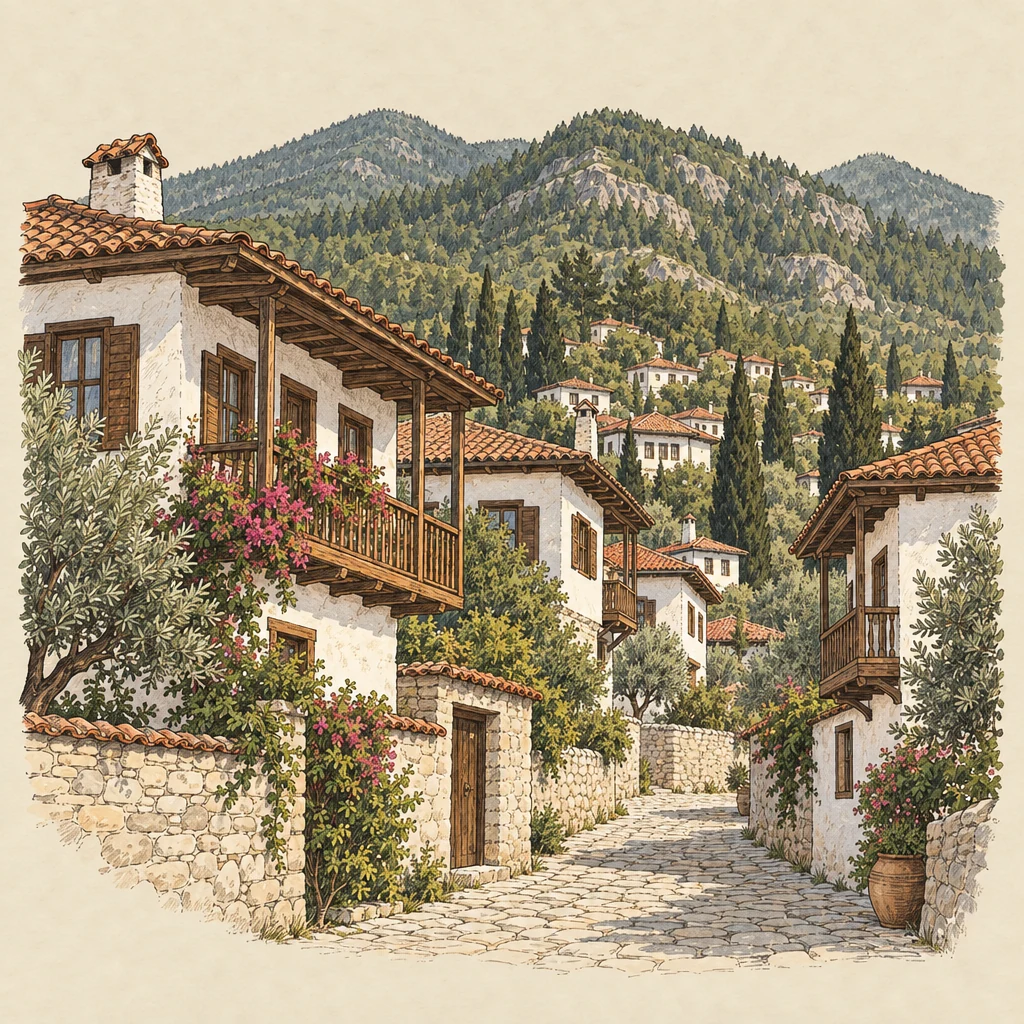
The capital, also called Muğla, lies inland at about 670 metres. Its old quarters are known for two-storey courtyard houses, double-leaf kuzulu kapı gates and chimneys capped with tiles, the symbol of the city; around 400 buildings aged 100 to 300 years are protected. The province is also known for its pine honey, olives and almonds.

At a glance
Capital
Muğla (Menteşe district)
Region
Mostly Aegean, partly Mediterranean
Districts
13
Neighbours
Aydın, Denizli, Burdur and Antalya provinces

Where to go

  • BodrumThe most populous district, a major holiday centre built on the site of ancient Halikarnassos.
  • DalamanHome to Dalaman Airport, with the Dalaman Stream forming much of its western border.
  • DatçaCovers almost exactly the long, narrow Datça Peninsula, with the ruins of ancient Knidos near its tip.
  • FethiyeA tourism centre known for Ölüdeniz, the bays of Göcek and Saklıkent Canyon; its old name was Meğri.
  • KavaklıdereA small upland district in the north, about 70 percent forest, whose walnuts carry a geographical indication.
  • KöyceğizNamed for its lake, it is also known for its coves and the ancient city of Kaunos, and joined the Cittaslow network in 2019.
  • MarmarisA port and resort on the Mediterranean, a centre for sailing and known for its honey, with ferries to Rhodes.
  • MenteşeThe central district that holds the city of Muğla, named in 2013 after the medieval Menteşe Beylik.
  • MilasA former capital of ancient Caria and of the Menteşe Beylik, known for its carpets and lively çarşı.
  • OrtacaA farming district between Dalaman and Köyceğiz that includes Dalyan; its name means roughly the town in the middle.
  • SeydikemerCreated in 2012 from the town of Kemer in Fethiye, it reaches east to the border with Antalya.
  • UlaThe district closest to the city of Muğla, named after the ancient Carian town of Ula (Oula) and bordering the Gulf of Gökova.
  • YatağanAn inland district far from the coast, known for its lignite reserves and coal-fired power station.

What to eat here

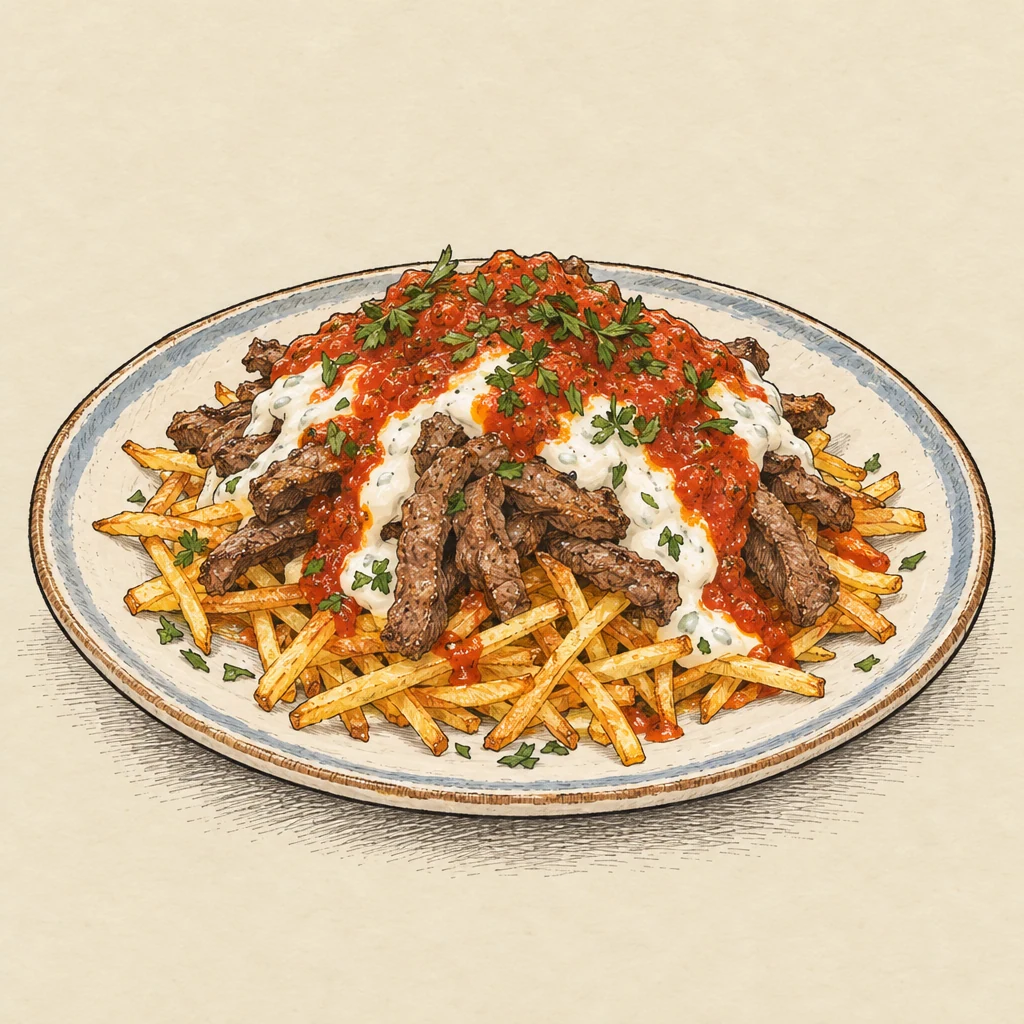
  • Çökertme kebabıStrips of beef over thin fried potatoes with garlic yoghurt and tomato sauce, found especially around Bodrum.
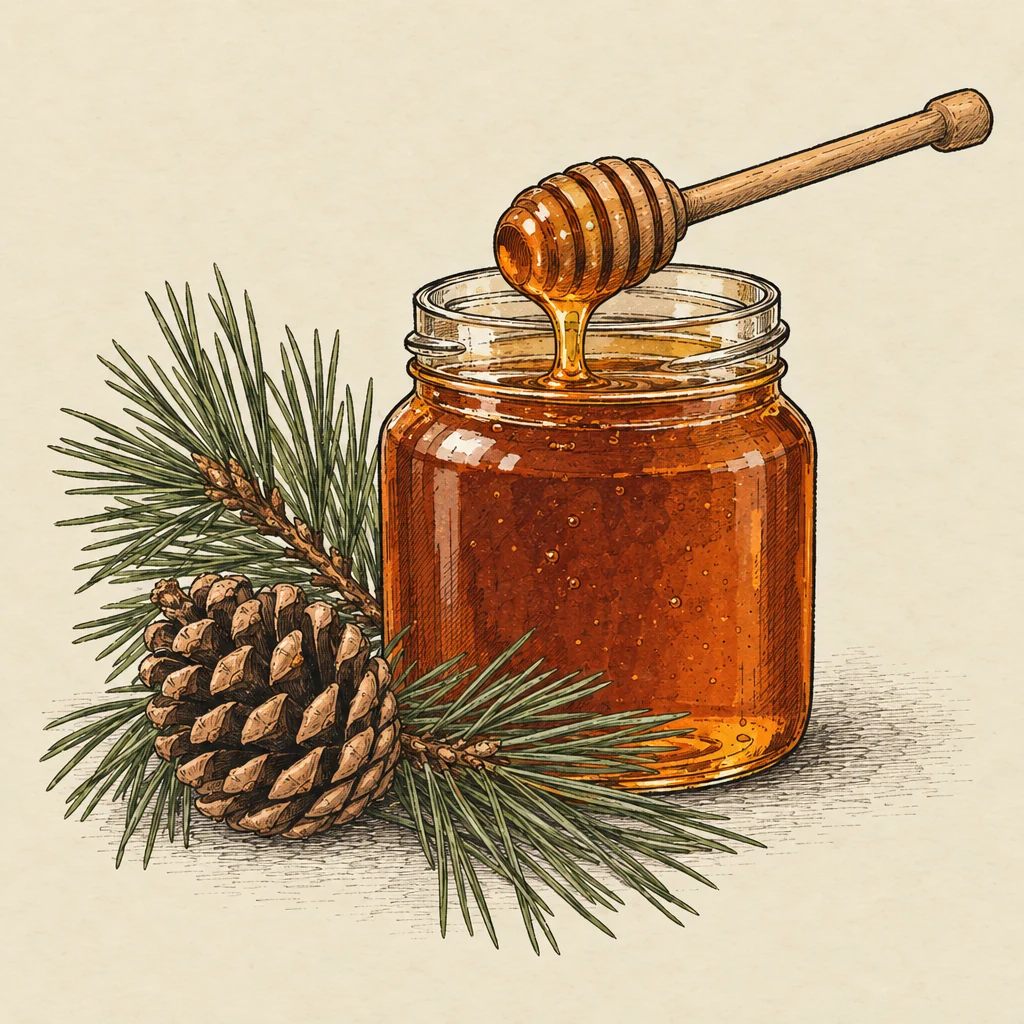
  • Muğla çam balıDark pine honey made from the honeydew of an insect living on red pines, registered as a designation of origin in 2018.
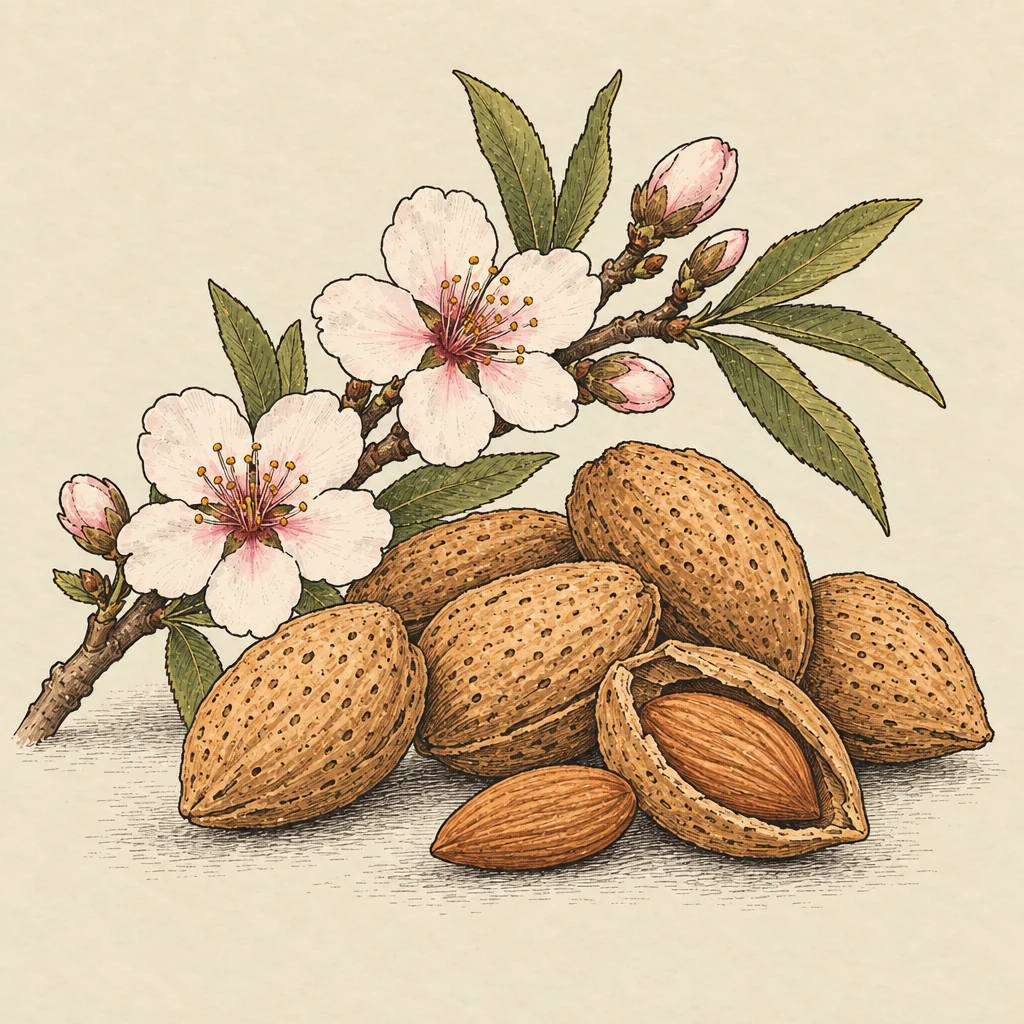
  • Datça nurlu bademiDatça's almond, grown on the peninsula and registered as a geographical indication in 2023.
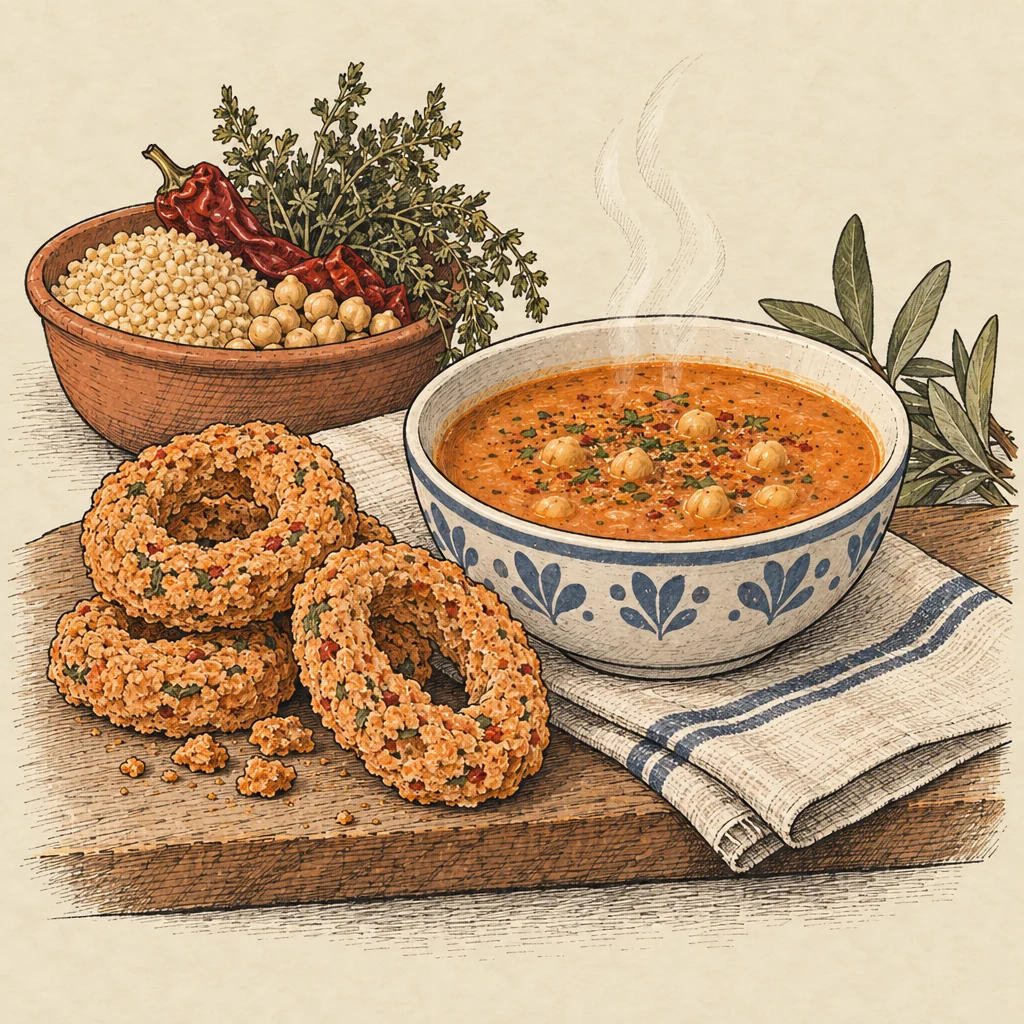
  • Muğla göce tarhanasıTarhana made in summer, dried on rooftops and windowsills and eaten as soup in winter; geographical indication since 2019.
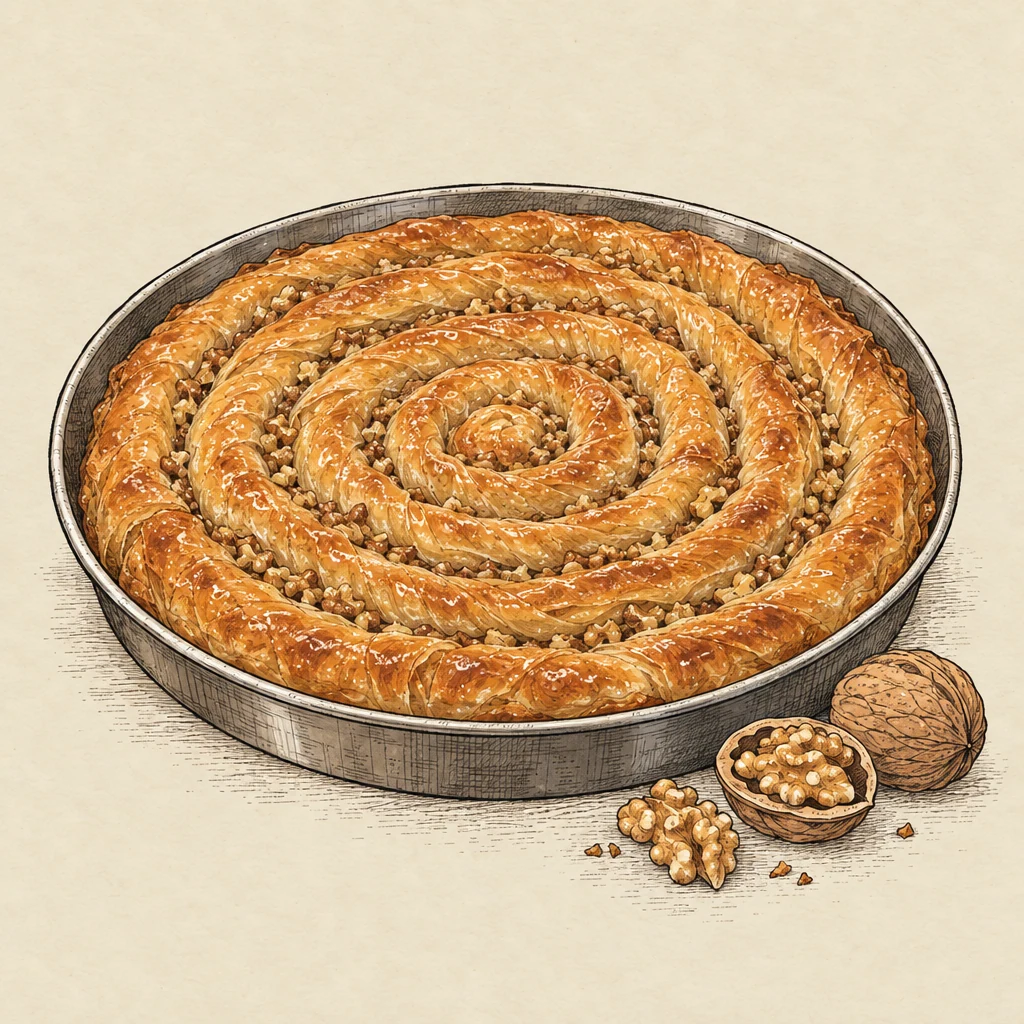
  • Muğla saraylısıA syrup-soaked pastry with local walnuts, once a fixture of Yörük engagement visits; geographical indication since 2018.
  • Kavaklıdere ceviziWalnuts from the upland district of Kavaklıdere, registered as a geographical indication in 2020.
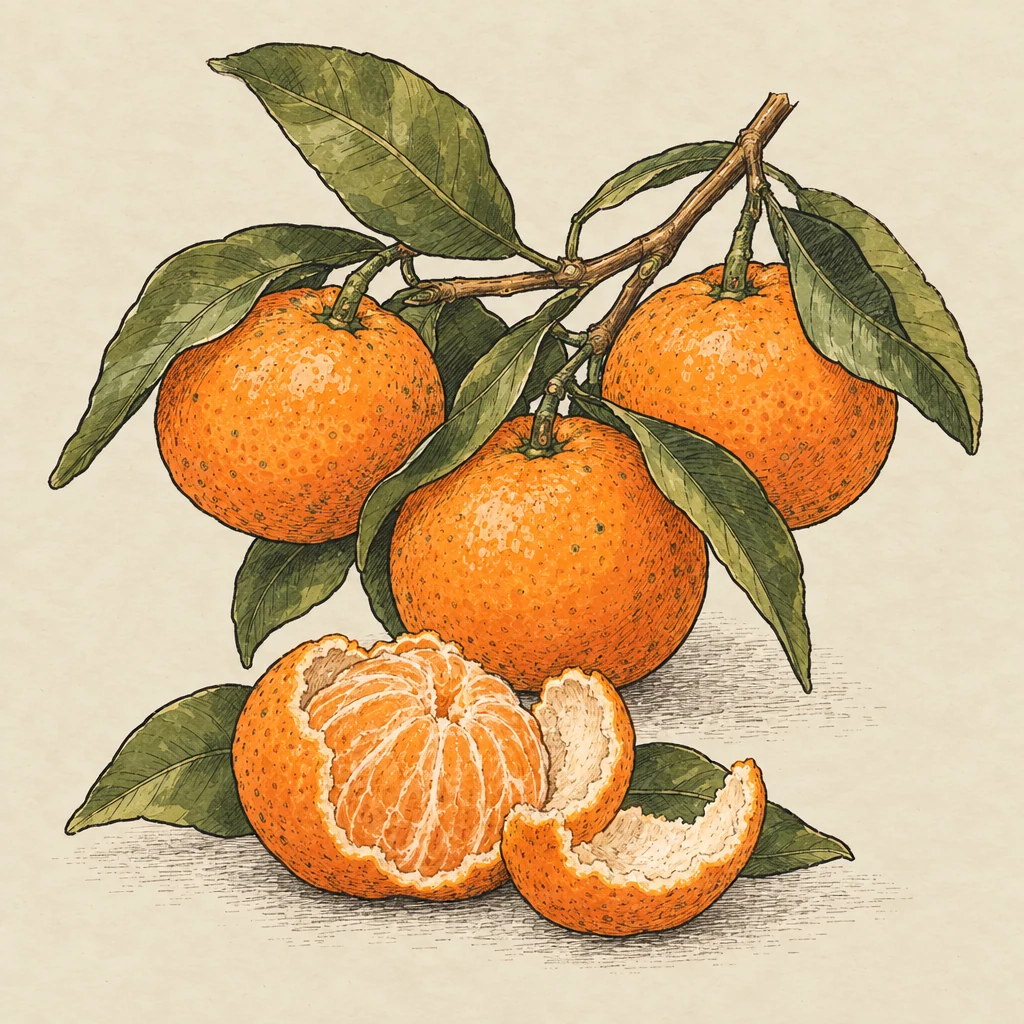
  • Bodrum mandalinasıBodrum's fragrant mandarin, a protected designation of origin since 2012.
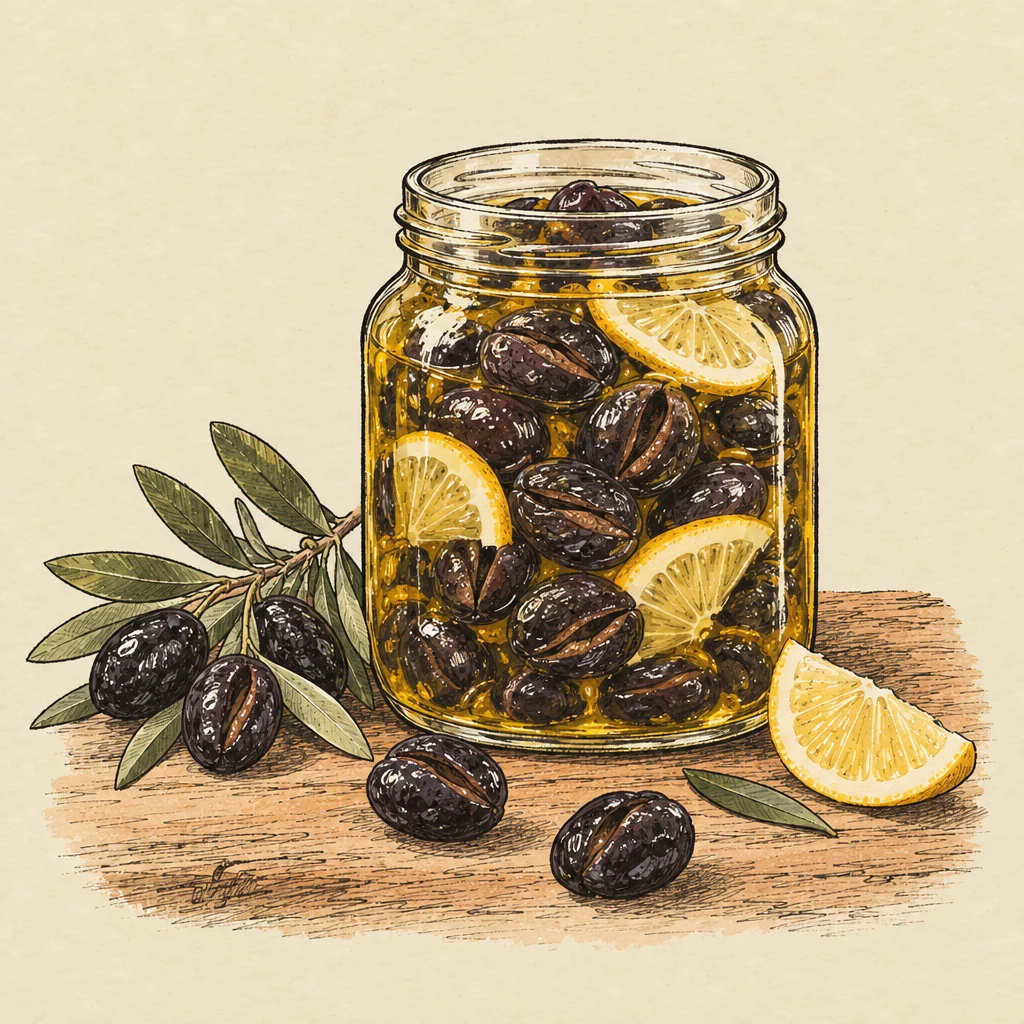
  • Milas yağlı zeytiniSplit black Memecik table olives from Milas, cured in brine and kept under olive oil and lemon.

Words you will hear here

  • iskelepier, landing stage

    The centre of Datça town is a quarter called İskele.

    iskele

  • koycove, small bay

    Köyceğiz and the Fethiye coast are known for their coves.

    koy

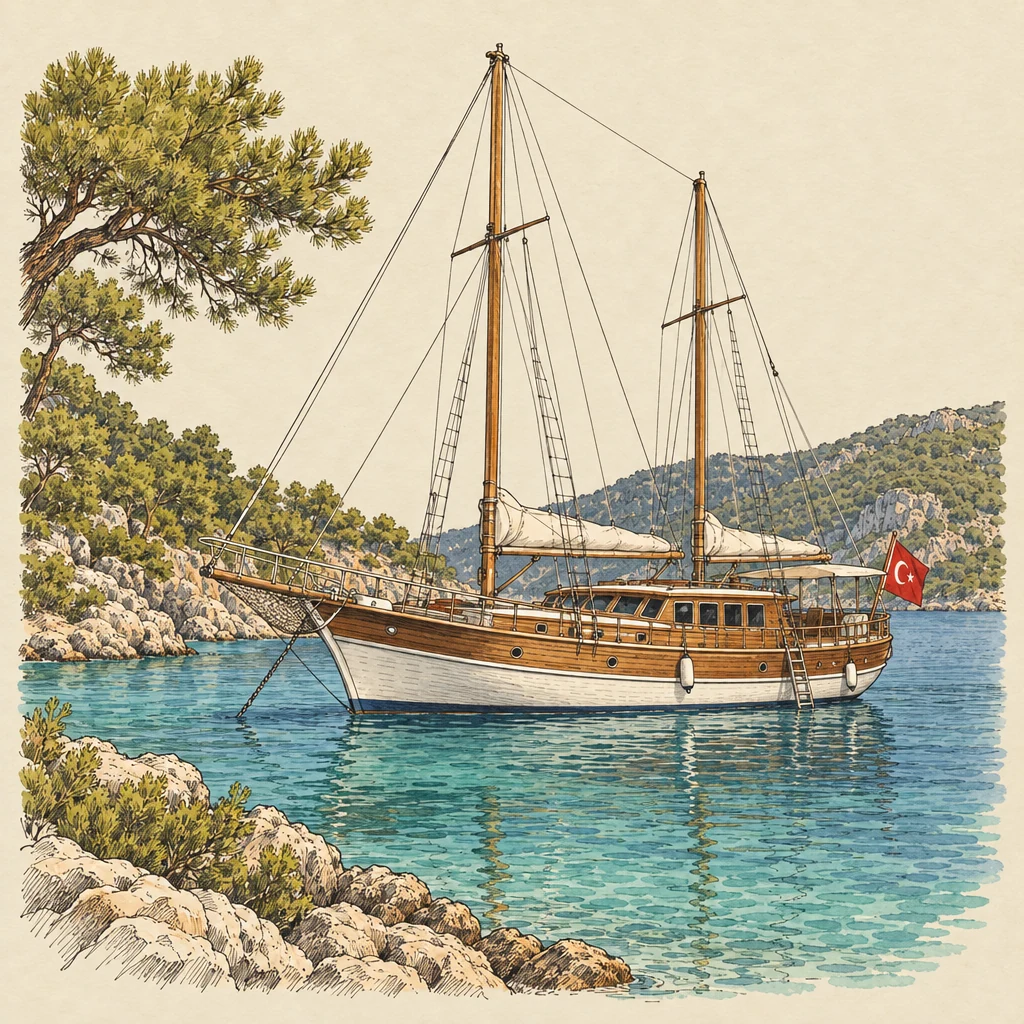
  • guletwooden sailing boat

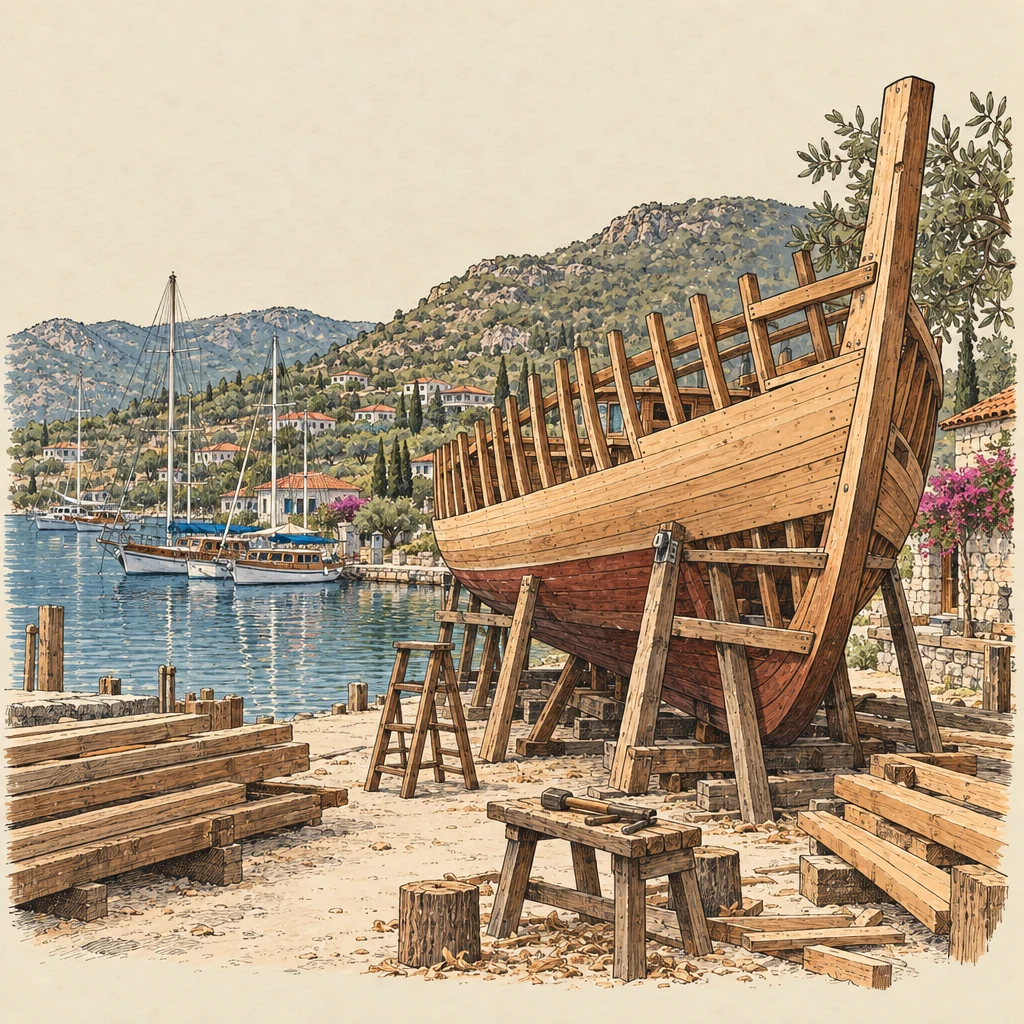
    The traditional gulet is built in Bodrum and Marmaris.

    gulet

  • limanharbour, port

    The province's main ports are Bodrum, Marmaris, Fethiye and Güllük.

    liman

  • kalecastle, fortress

    Bodrum Kalesi, the castle in Bodrum harbour, was built by the Knights of St John.

    kale

  • adaisland

    ada

  • göllake

    Köyceğiz takes its lake's name, Köyceğiz Gölü.

    göl

  • yaylahighland summer pasture, summer retreat

    In Muğla people simply say Yayla for Karabağlar, the old summer-house area south of the city.

    yayla

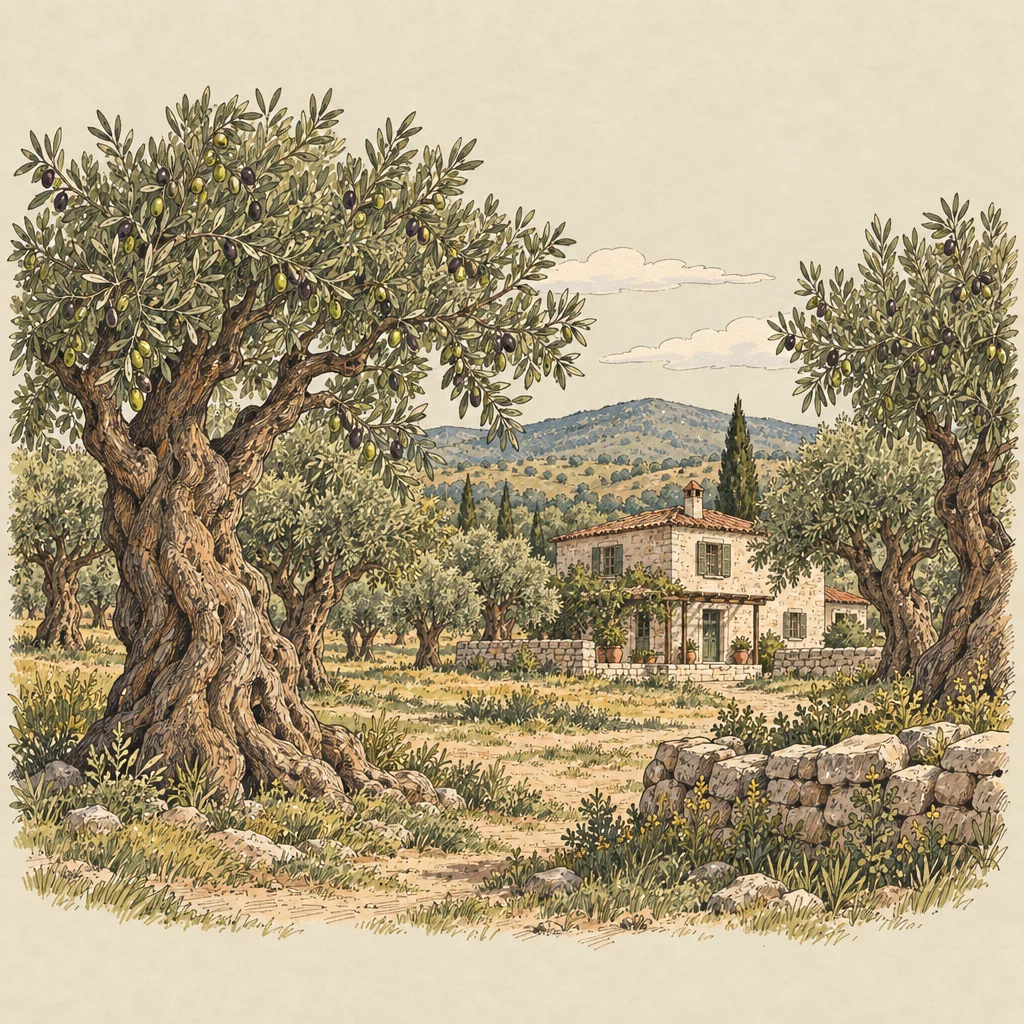
  • zeytinlikolive grove

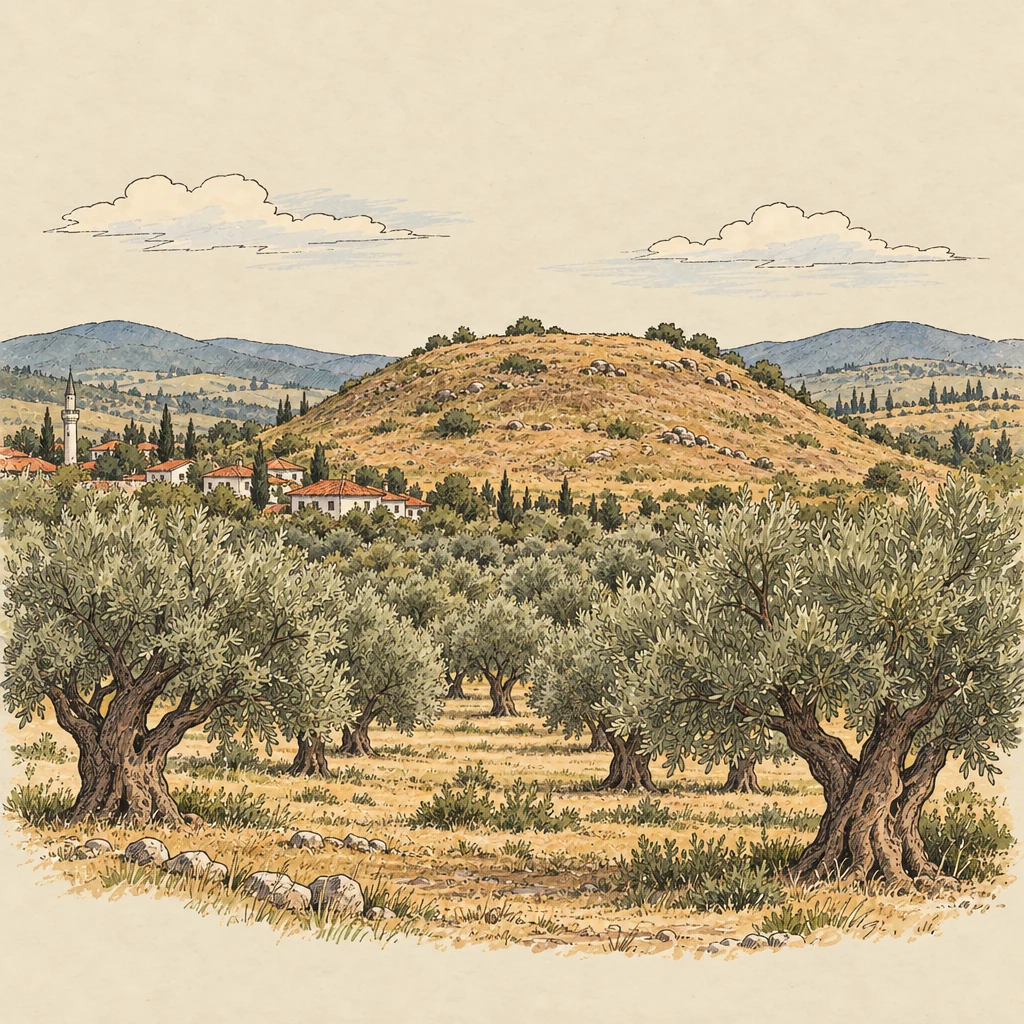
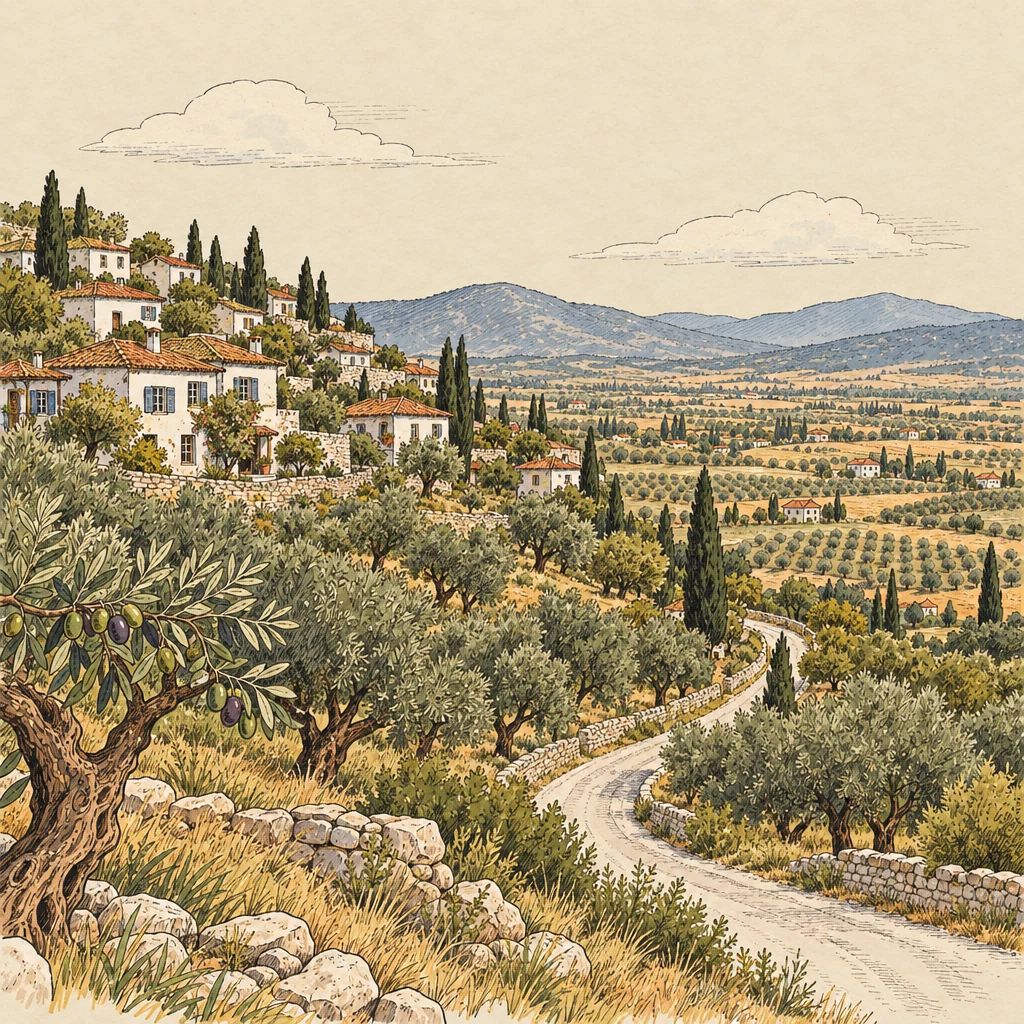
    Olive growing is widespread across the province.

    zeytinlik

  • çarşımarket quarter, bazaar

    Milas is known for its lively çarşı.

    çarşı
70 pages from Muğla

UNESCO sites

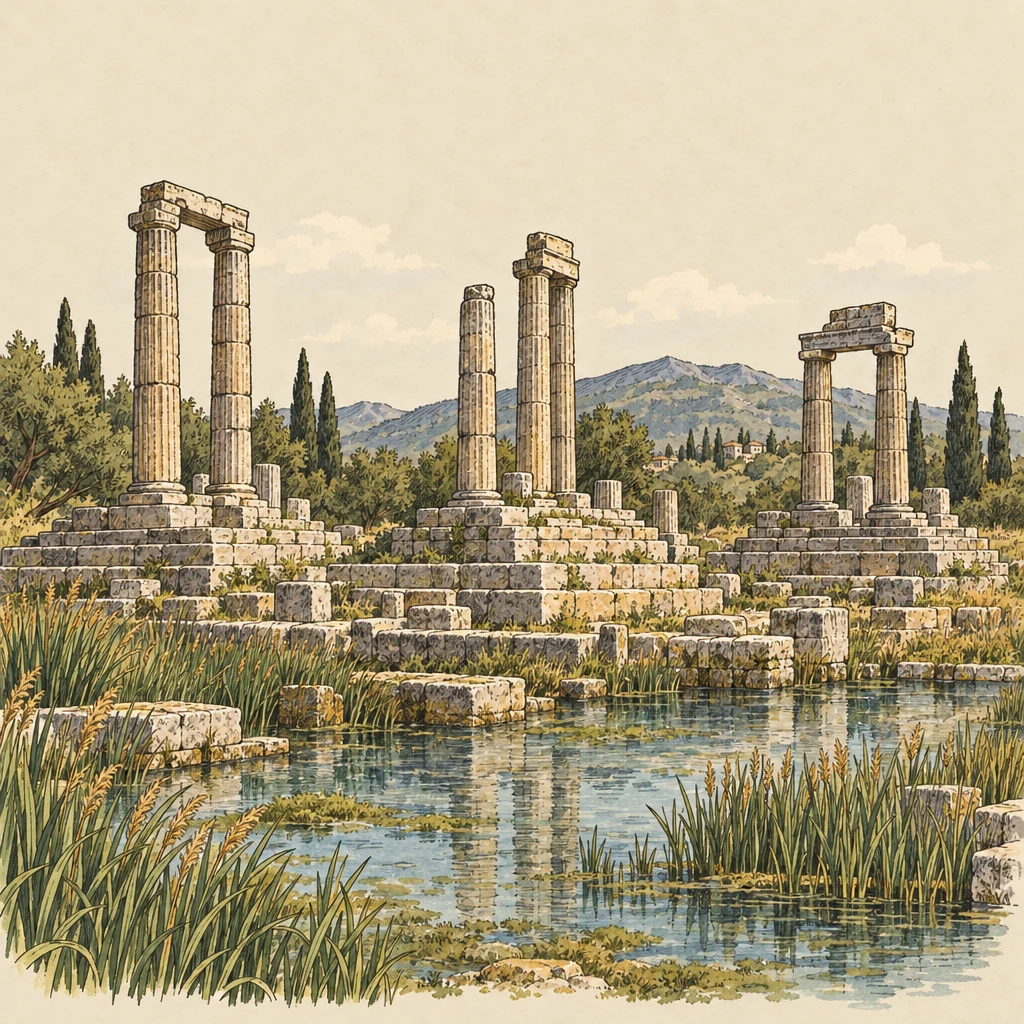
Letoon — UNESCO sites illustration from the Suzy Talks Turkey encyclopedia

UNESCO sites

Letoon

A Lycian sanctuary of Leto and her twins, on the World Heritage List with Xanthos since 1988.

Historic sites

Halikarnas Mozolesi — Historic sites illustration from the Suzy Talks Turkey encyclopedia

Historic sites

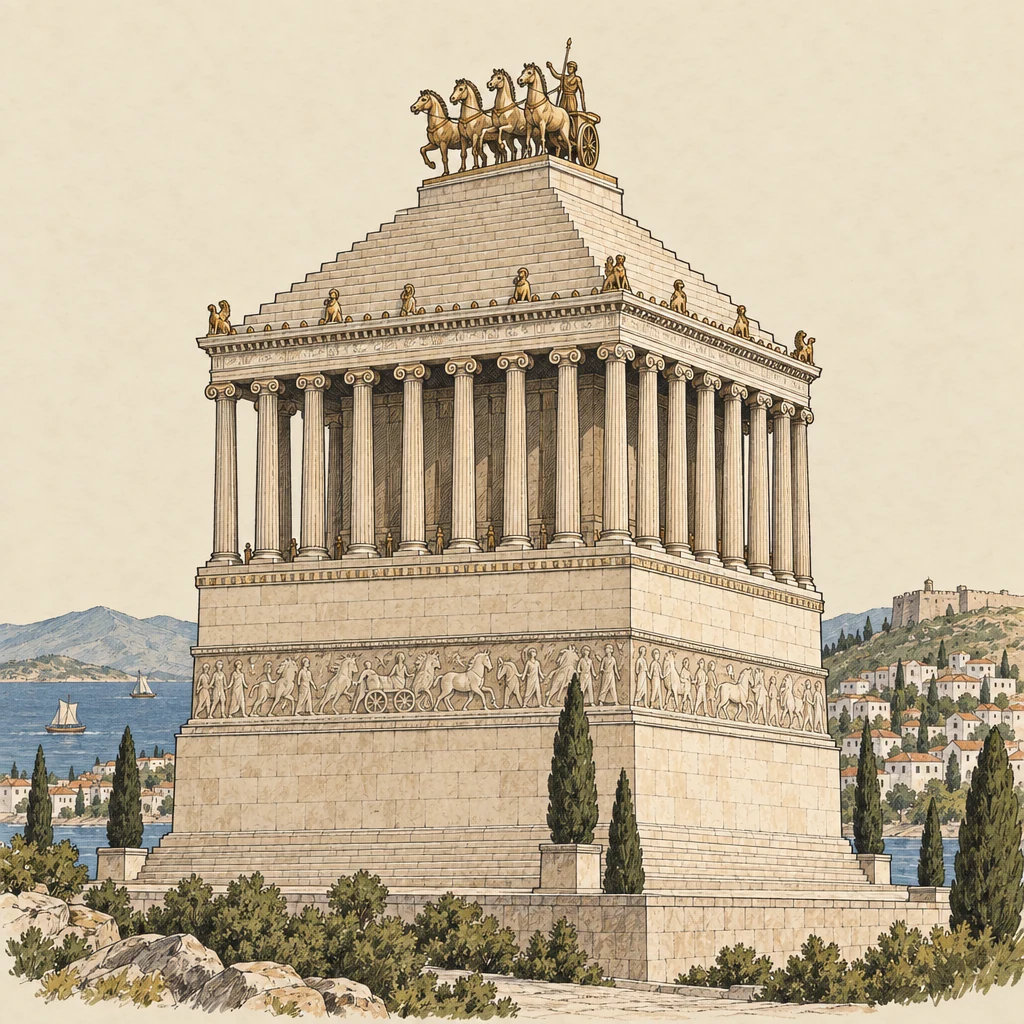
Halikarnas Mozolesi

The tomb of King Mausolus in Bodrum, one of the Seven Wonders of the Ancient World.

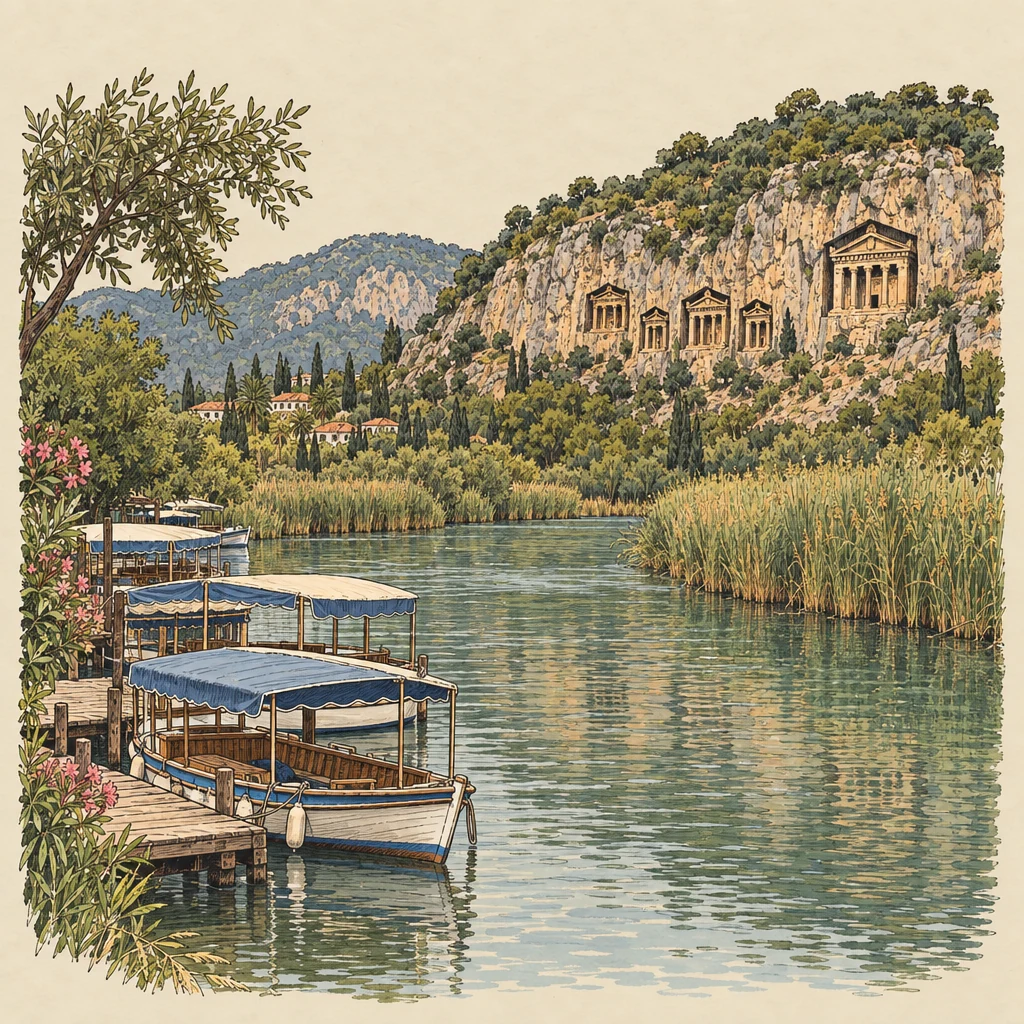
Kaunos — Historic sites illustration from the Suzy Talks Turkey encyclopedia

Historic sites

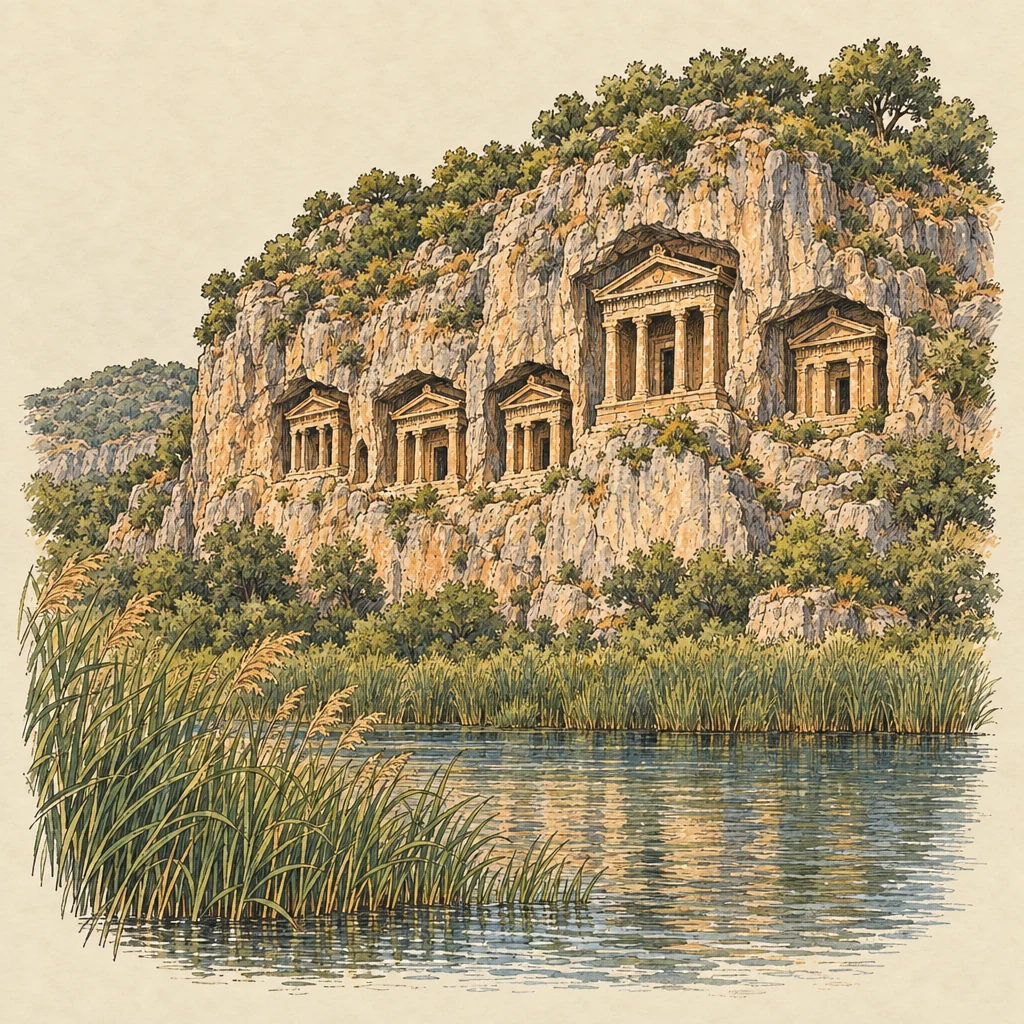
Kaunos

An ancient Carian port whose temple-fronted rock tombs look down on the river at Dalyan.

Kayaköy — Historic sites illustration from the Suzy Talks Turkey encyclopedia

Historic sites

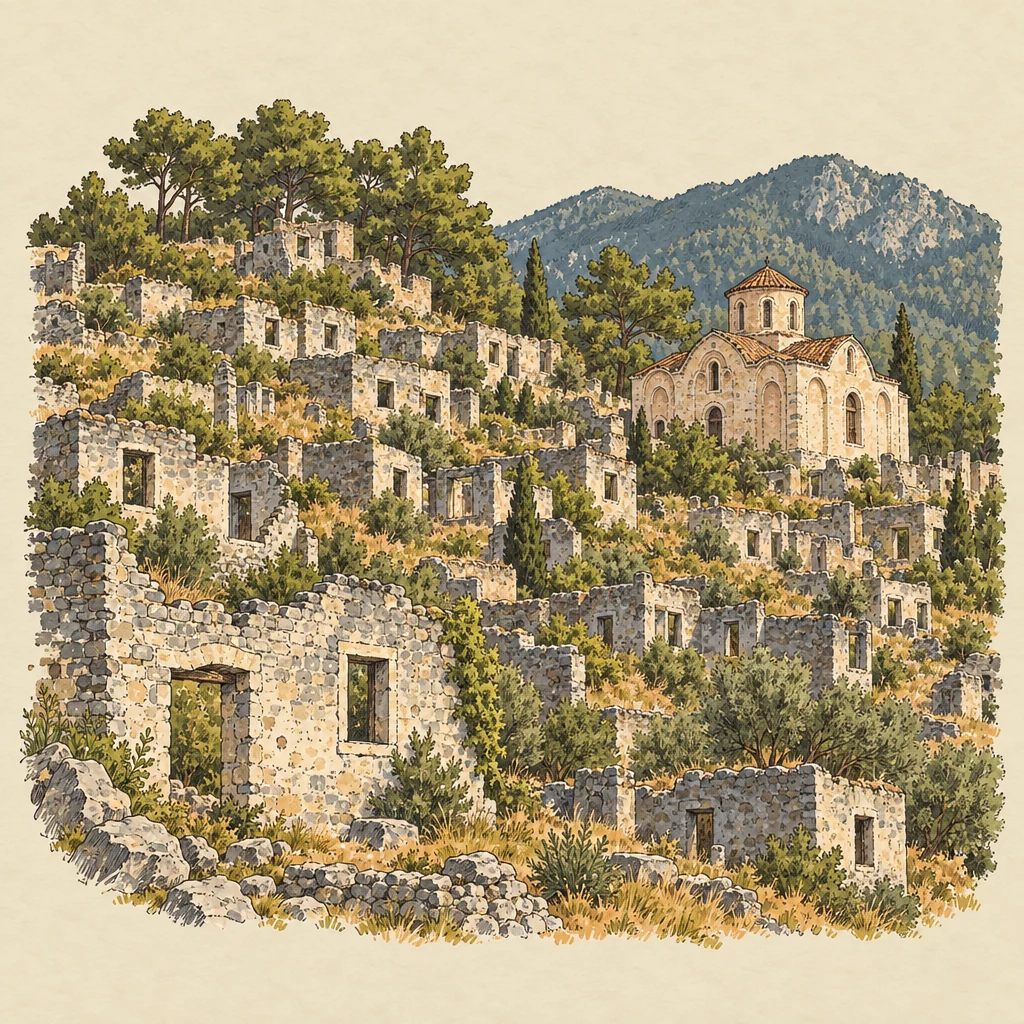
Kayaköy

A hillside town of empty stone houses near Fethiye, left behind after the 1923 population exchange.

Stratonikeia — Historic sites illustration from the Suzy Talks Turkey encyclopedia

Historic sites

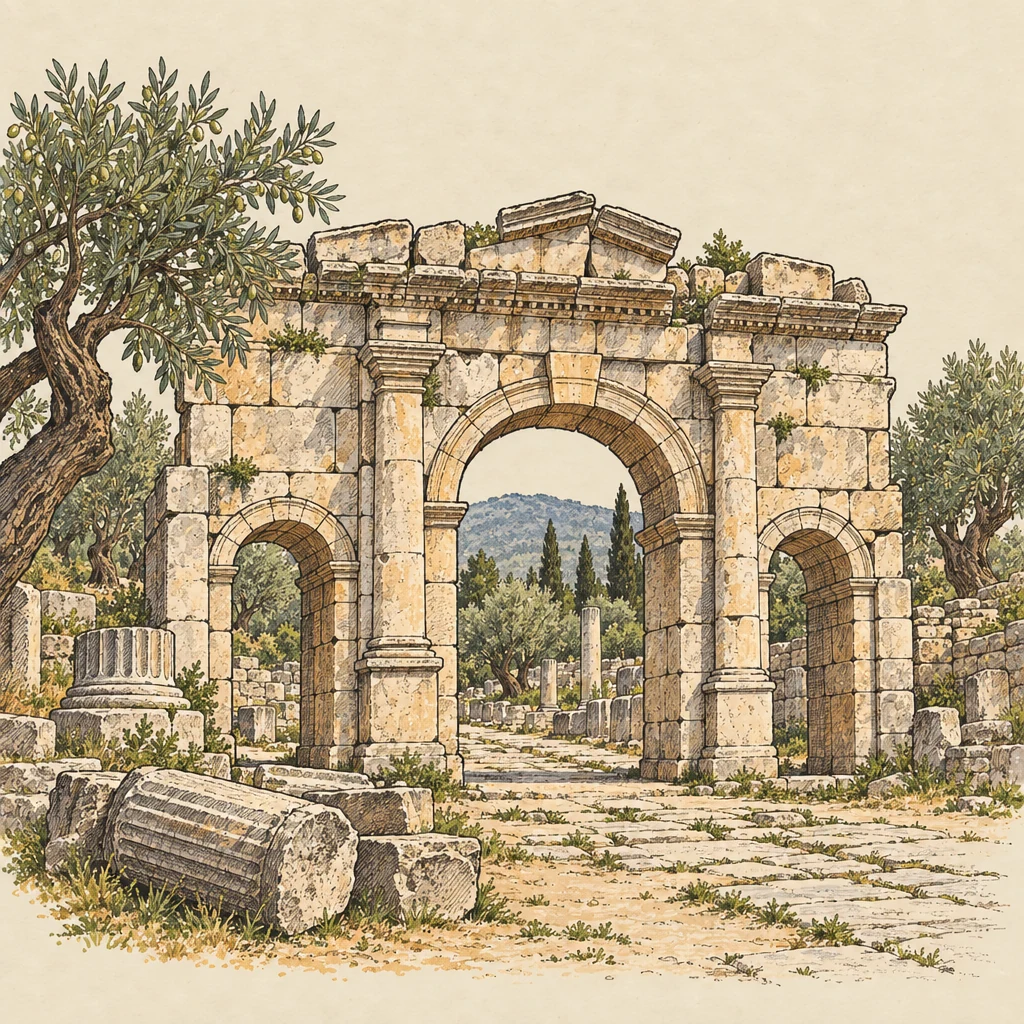
Stratonikeia

A Carian and Roman city near Yatağan, lived in from antiquity to the Ottoman era.

Bodrum Kalesi — Historic sites illustration from the Suzy Talks Turkey encyclopedia

Historic sites

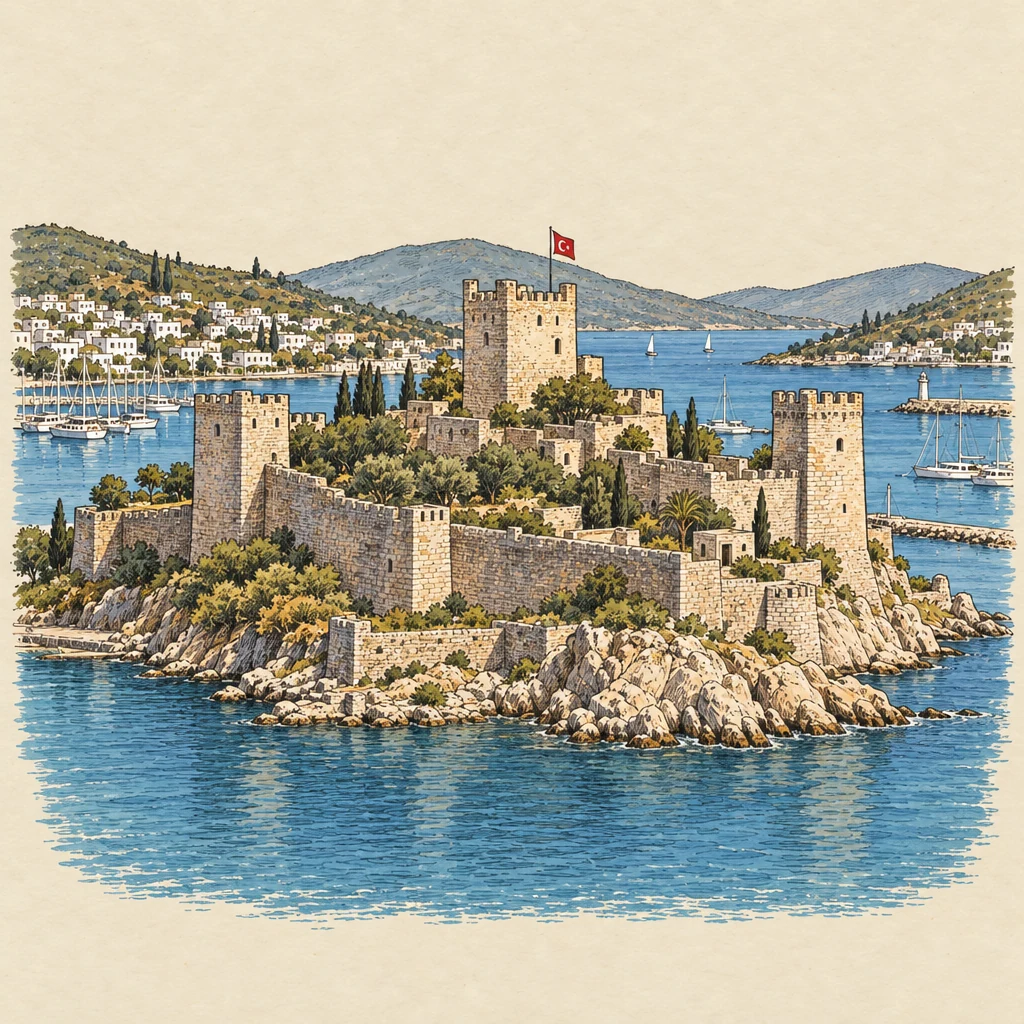
Bodrum Kalesi

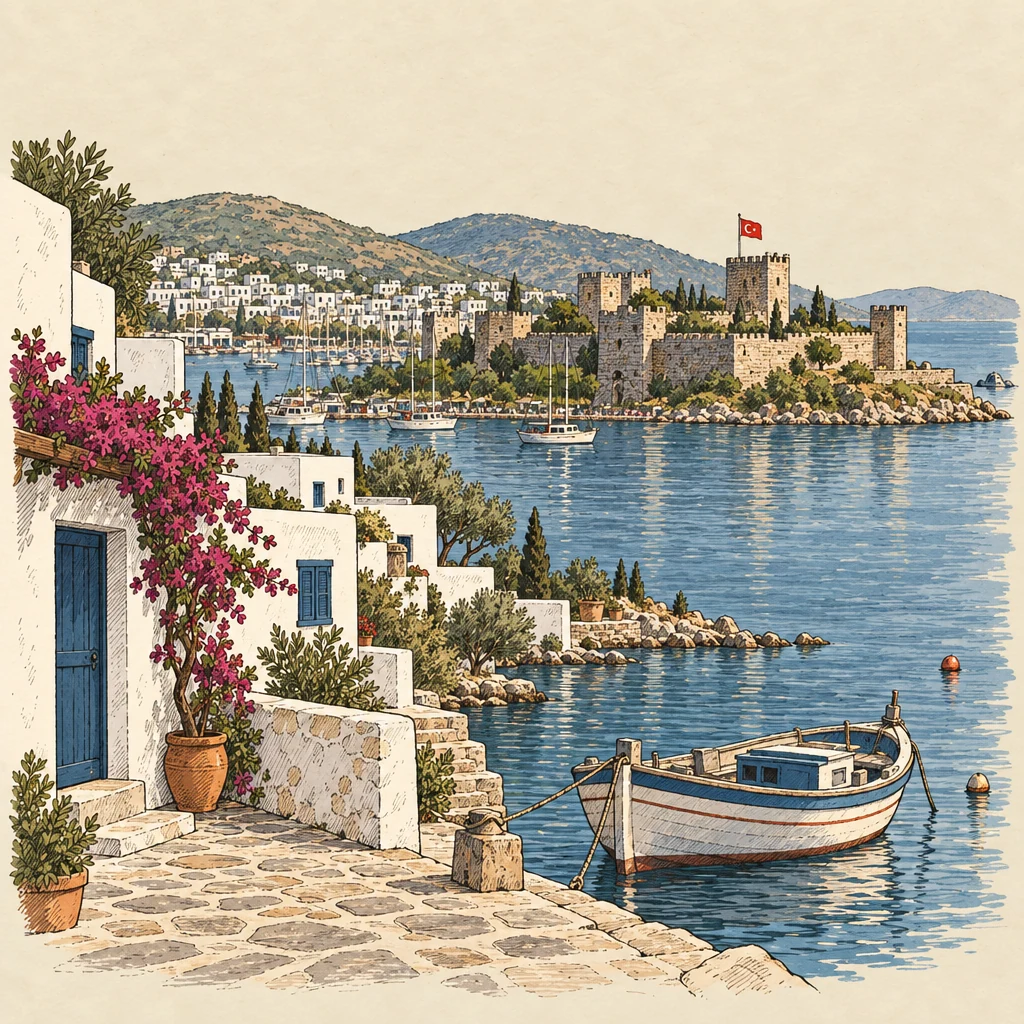
A castle of the Knights of St John on Bodrum's harbour, home to the Museum of Underwater Archaeology.

Knidos — Historic sites illustration from the Suzy Talks Turkey encyclopedia

Historic sites

Knidos

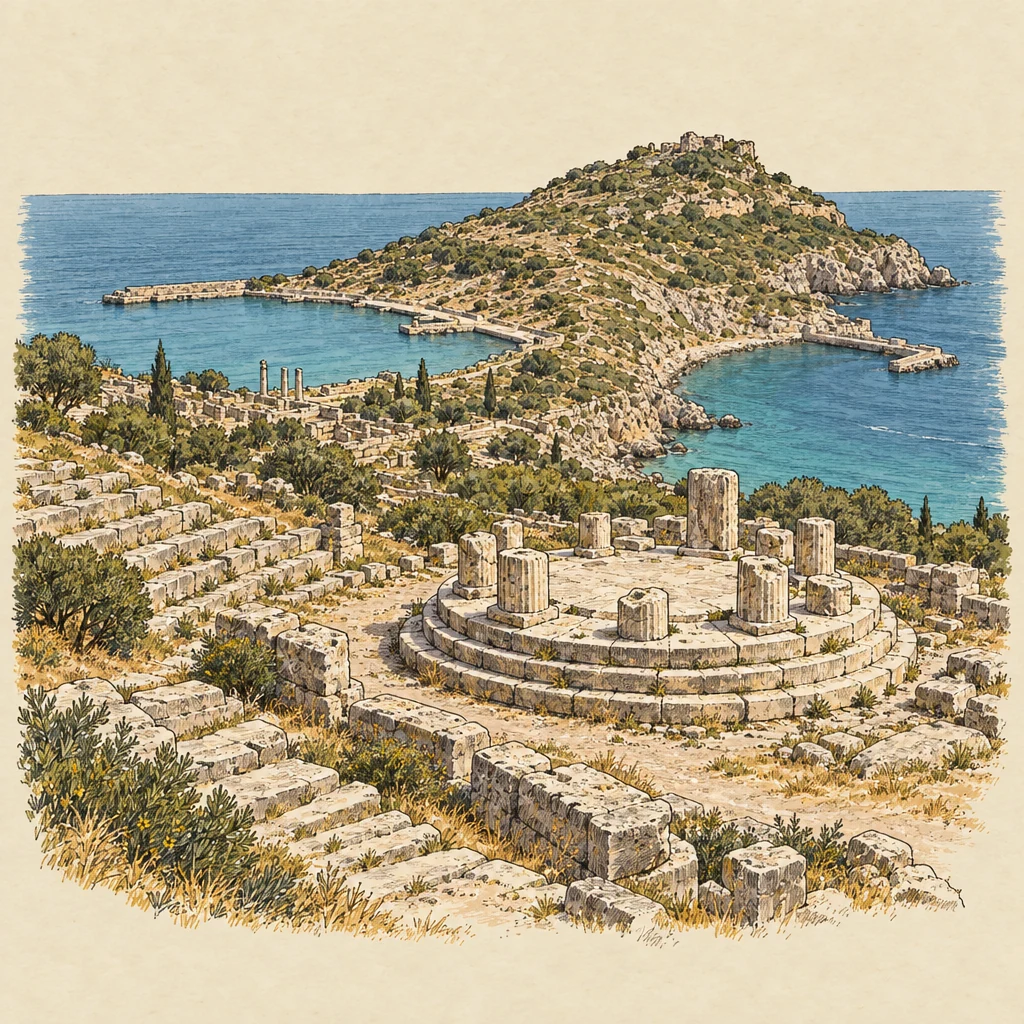
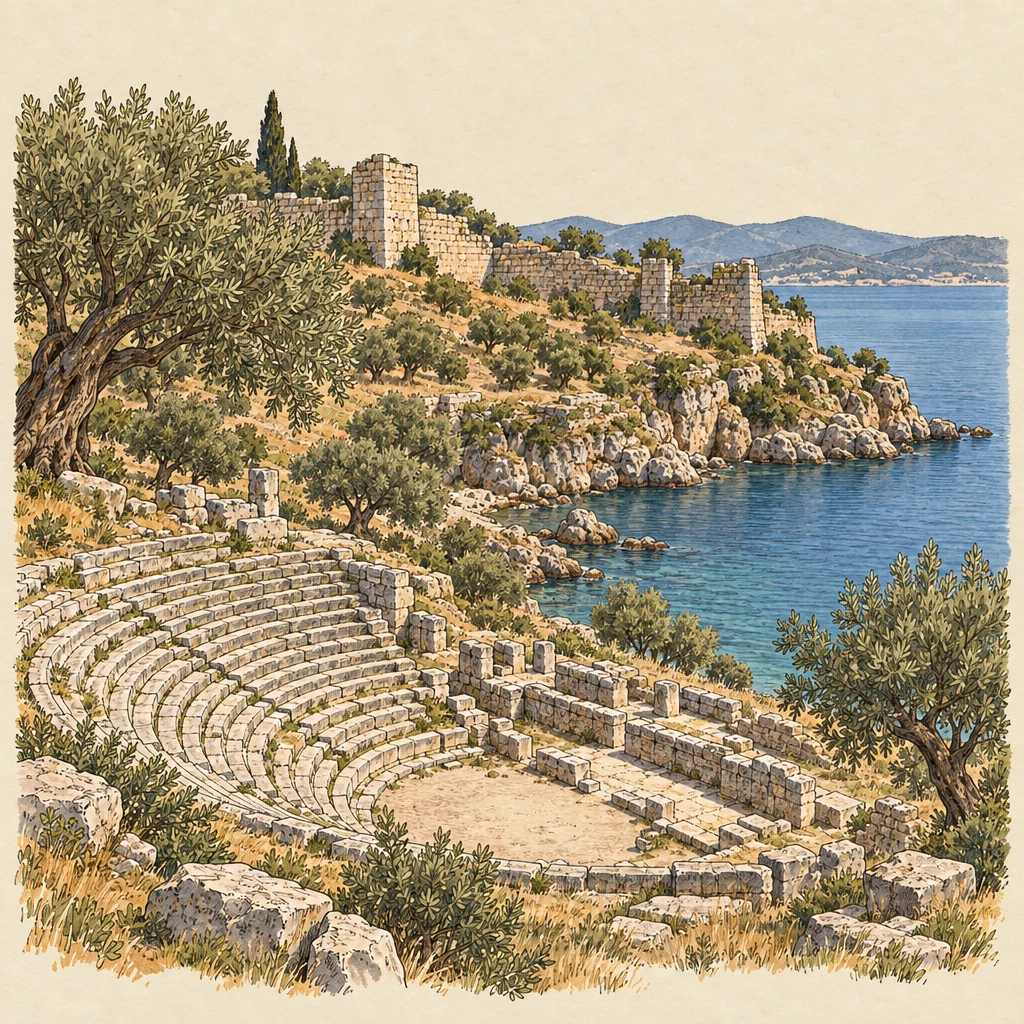
An ancient Dorian city at the western tip of the Datça peninsula, with two harbours and a round temple.

Labranda — Historic sites illustration from the Suzy Talks Turkey encyclopedia

Historic sites

Labranda

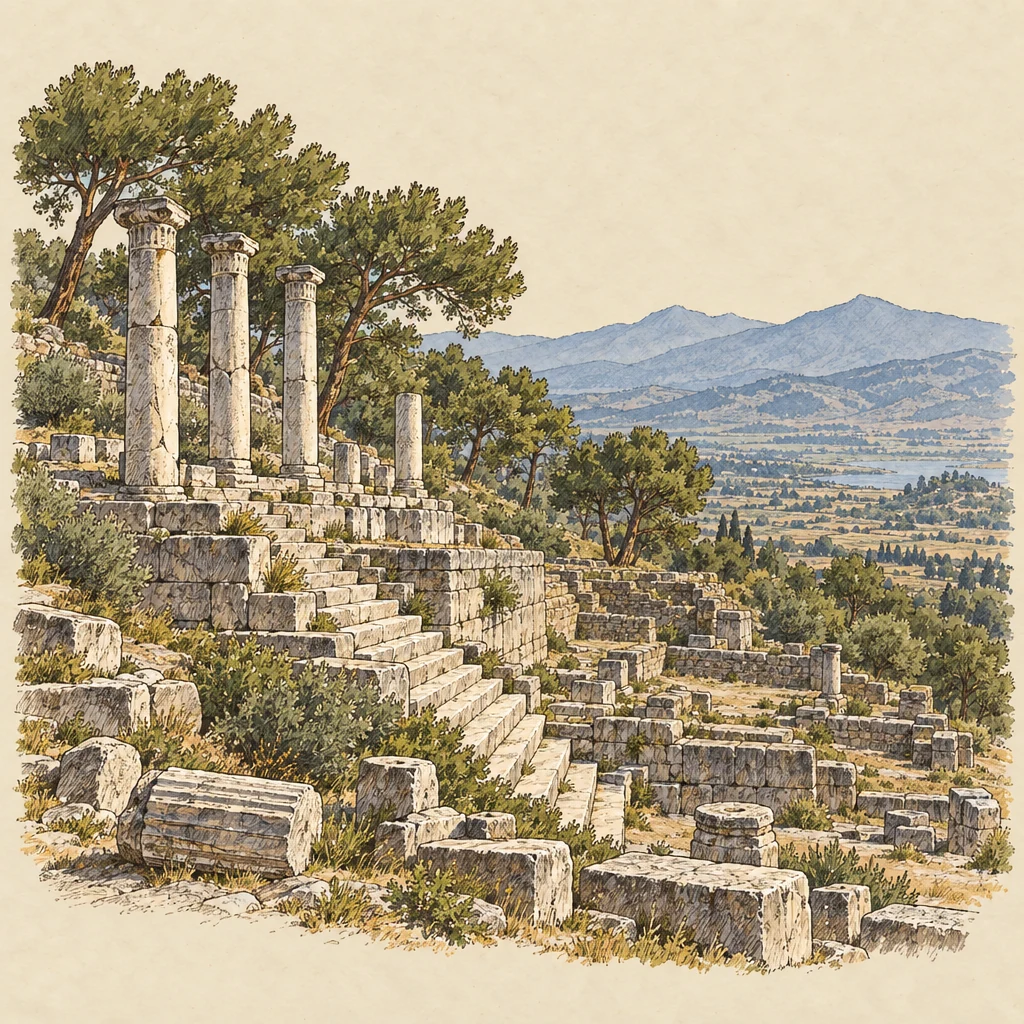
A mountain sanctuary of Zeus above Milas, the ancestral shrine of the Carian ruler Mausolus and his family.

Beçin Kalesi — Historic sites illustration from the Suzy Talks Turkey encyclopedia

Historic sites

Beçin Kalesi

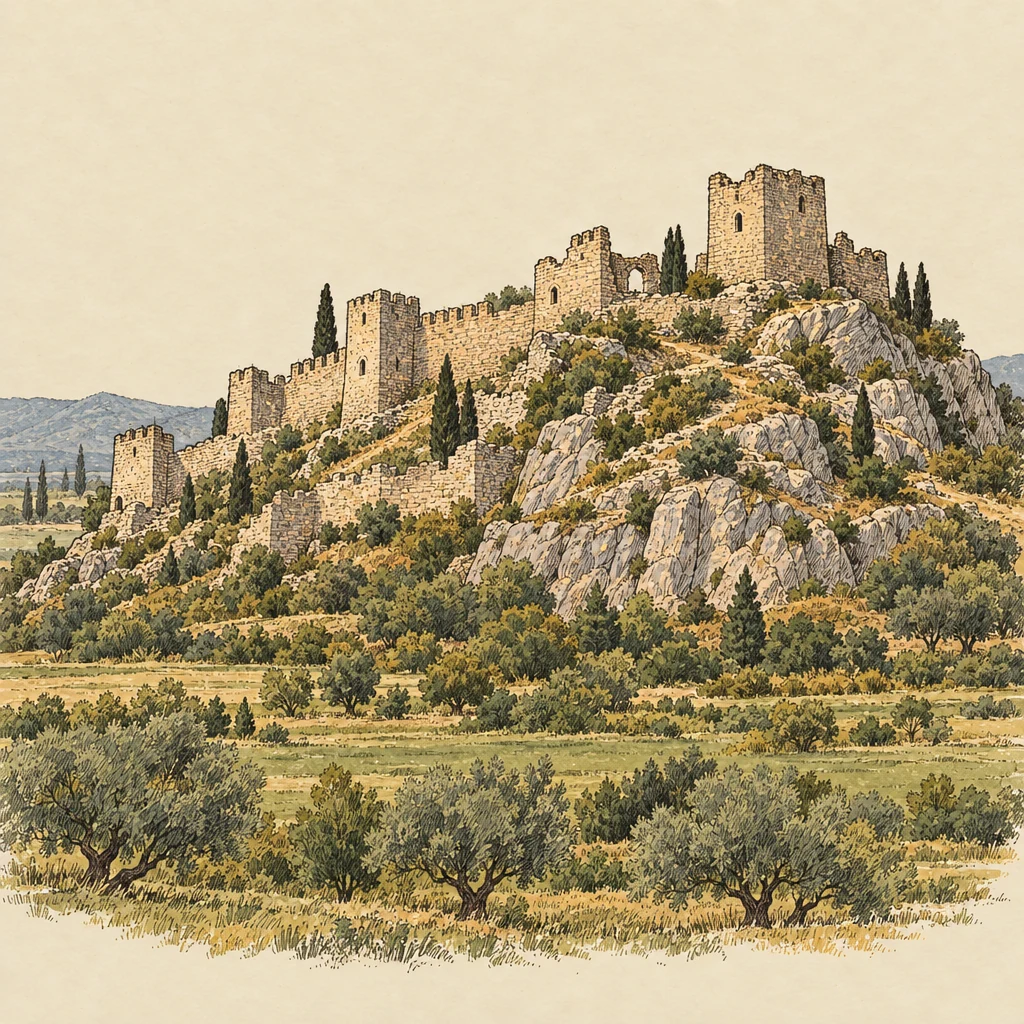
A hilltop castle near Milas that became a medieval Turkish capital, now a quiet field of ruins.

Tlos — Historic sites illustration from the Suzy Talks Turkey encyclopedia

Historic sites

Tlos

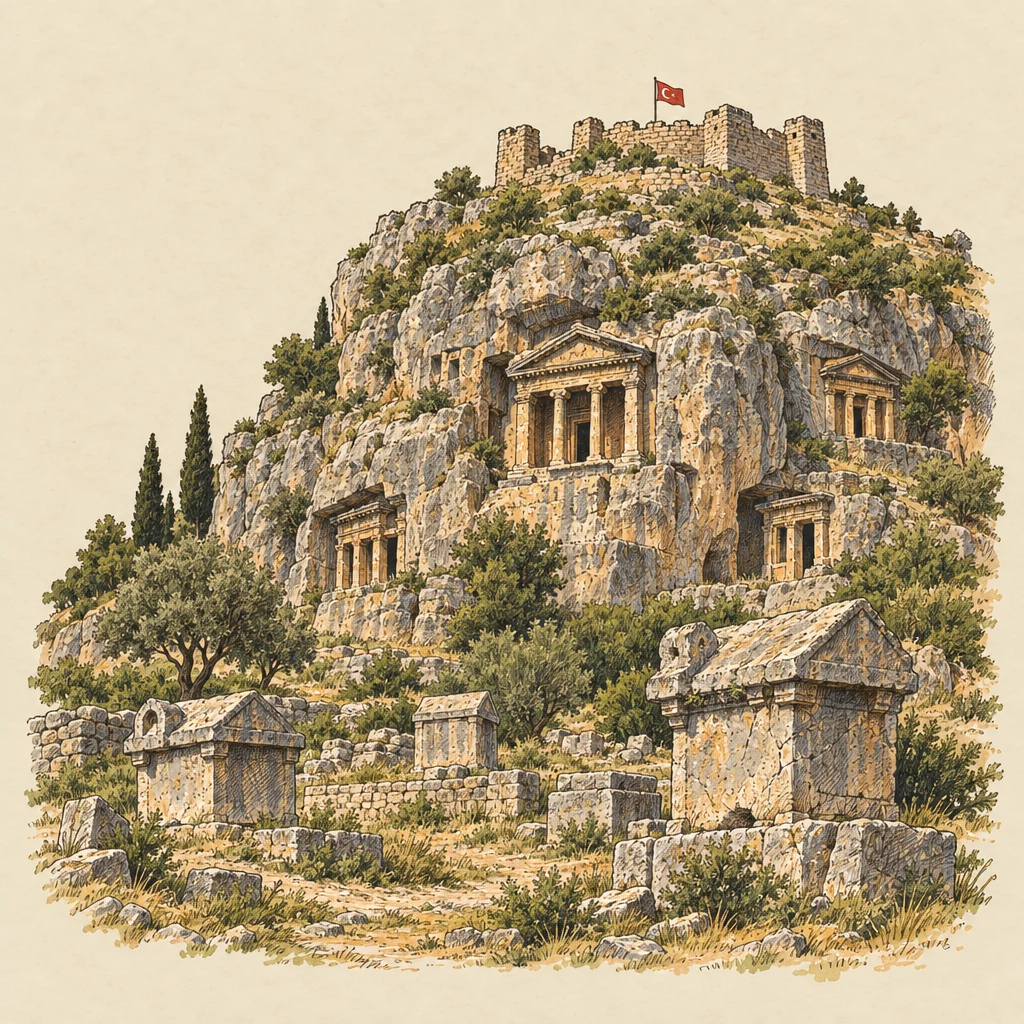
One of the oldest cities of Lycia, on a rocky height near Saklıkent, known for its rock tombs.

İasos — Historic sites illustration from the Suzy Talks Turkey encyclopedia

Historic sites

İasos

An ancient harbour city on the Güllük gulf near Milas, once an island, lived in since the Bronze Age.

Euromos — Historic sites illustration from the Suzy Talks Turkey encyclopedia

Historic sites

Euromos

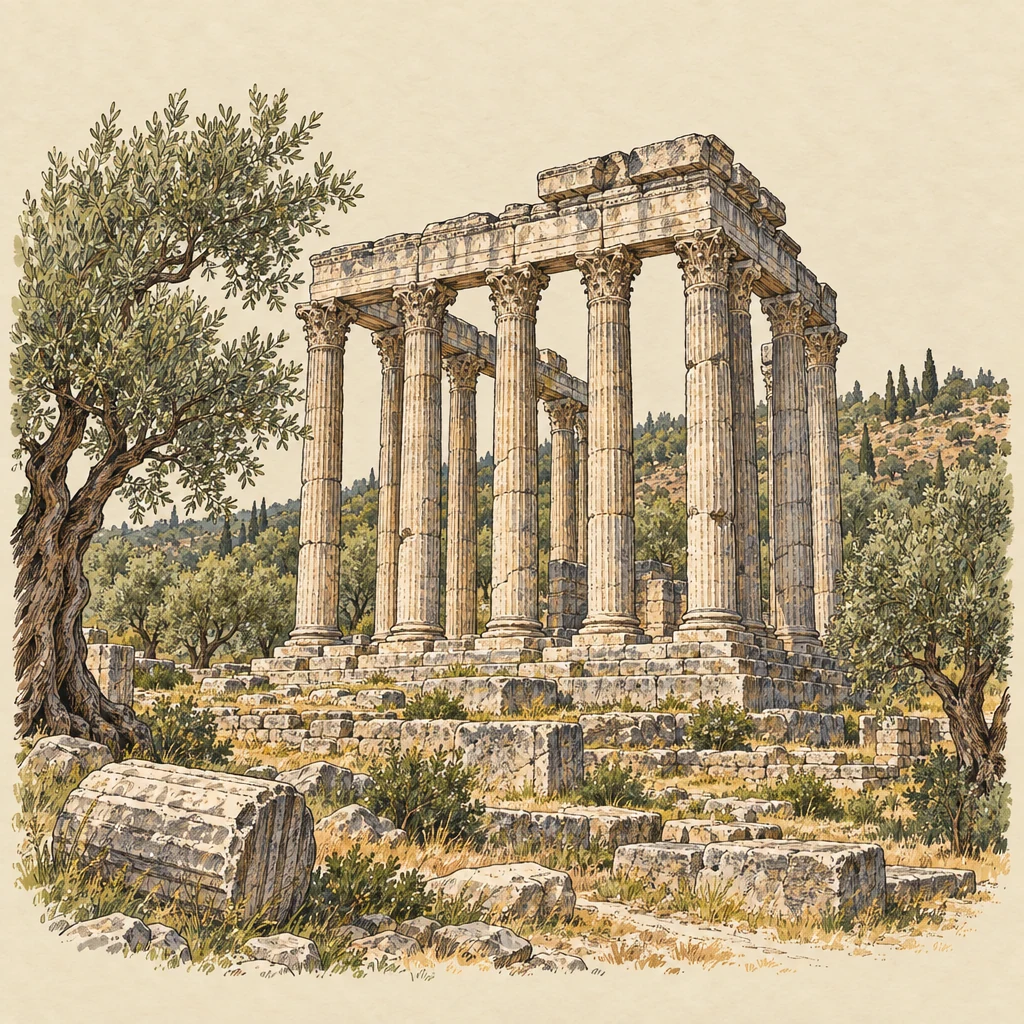
A Carian city near Milas whose temple of Zeus still has sixteen columns standing.

Beach towns

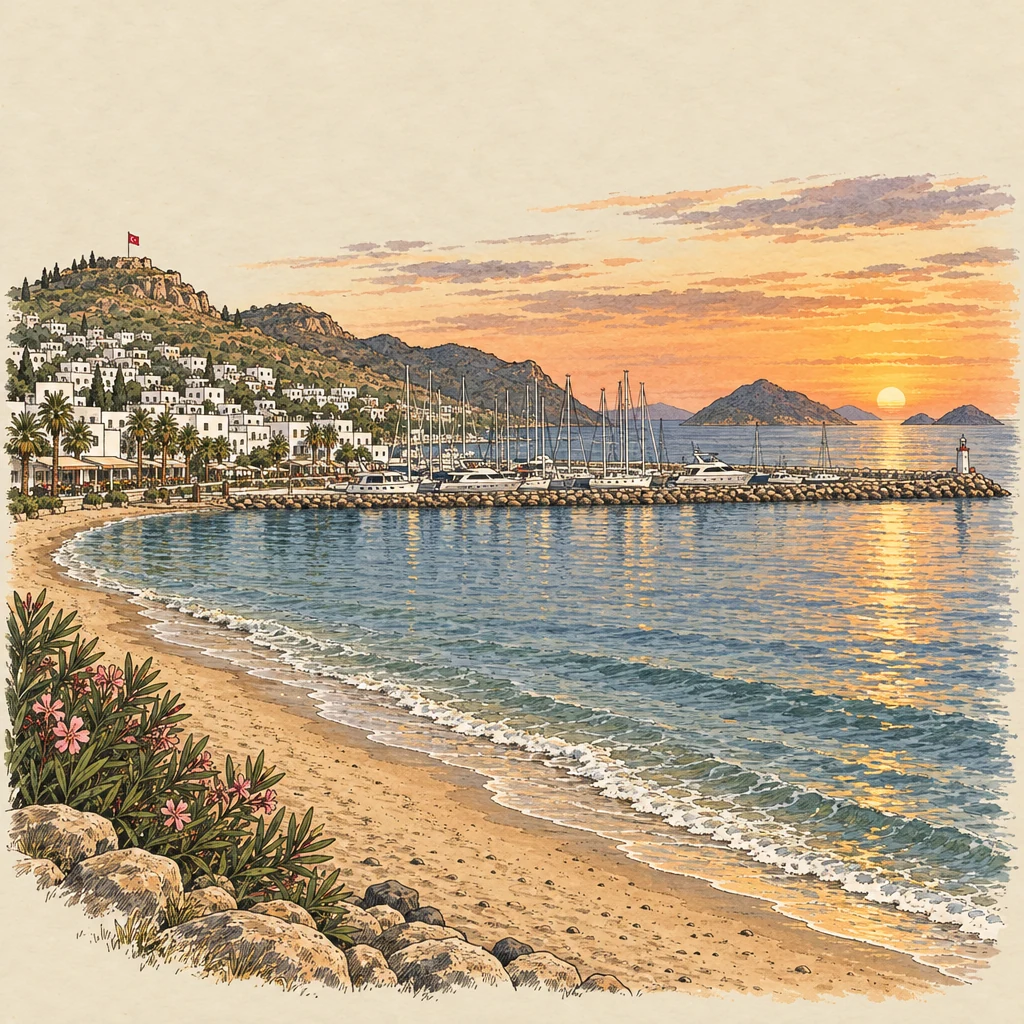
Bodrum — Beach towns illustration from the Suzy Talks Turkey encyclopedia

Beach towns

Bodrum

A coastal destination associated with bays, boats and historical sites.

Yalıkavak — Beach towns illustration from the Suzy Talks Turkey encyclopedia

Beach towns

Yalıkavak

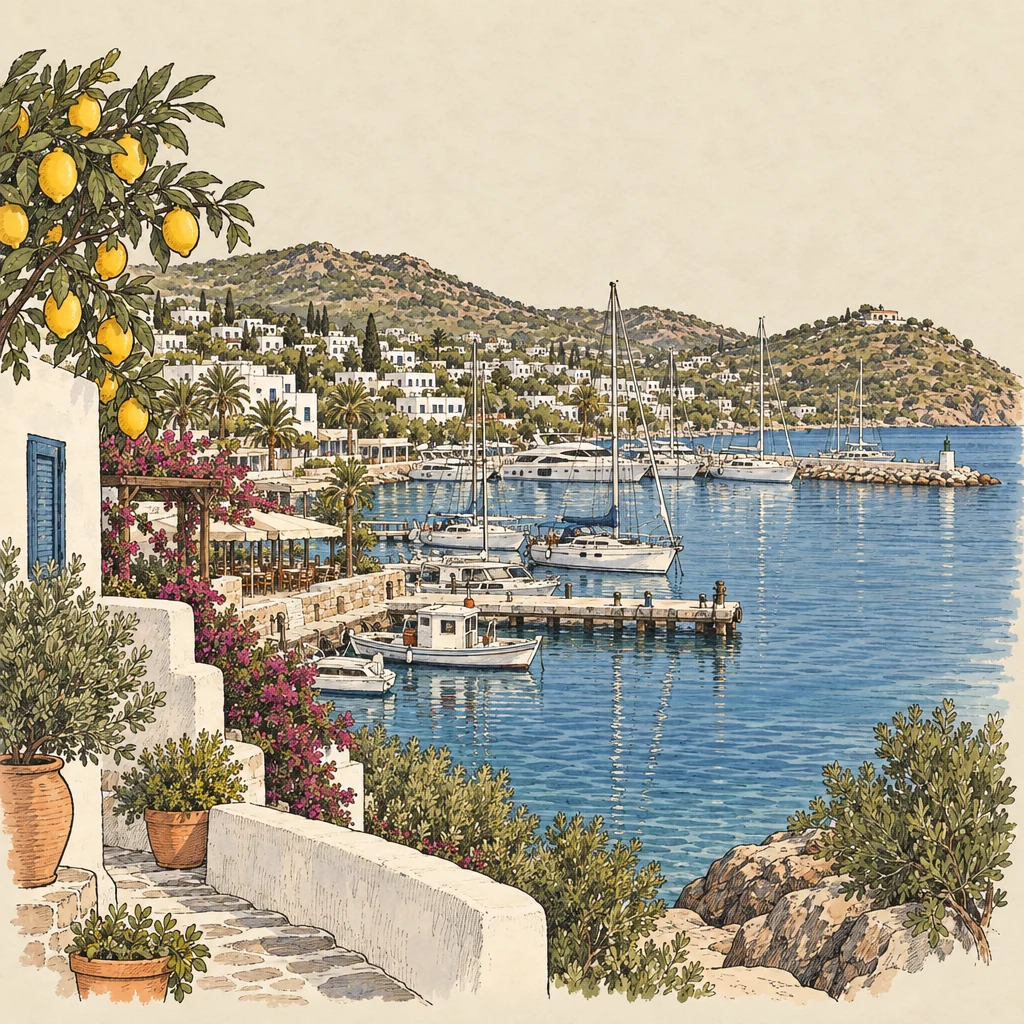
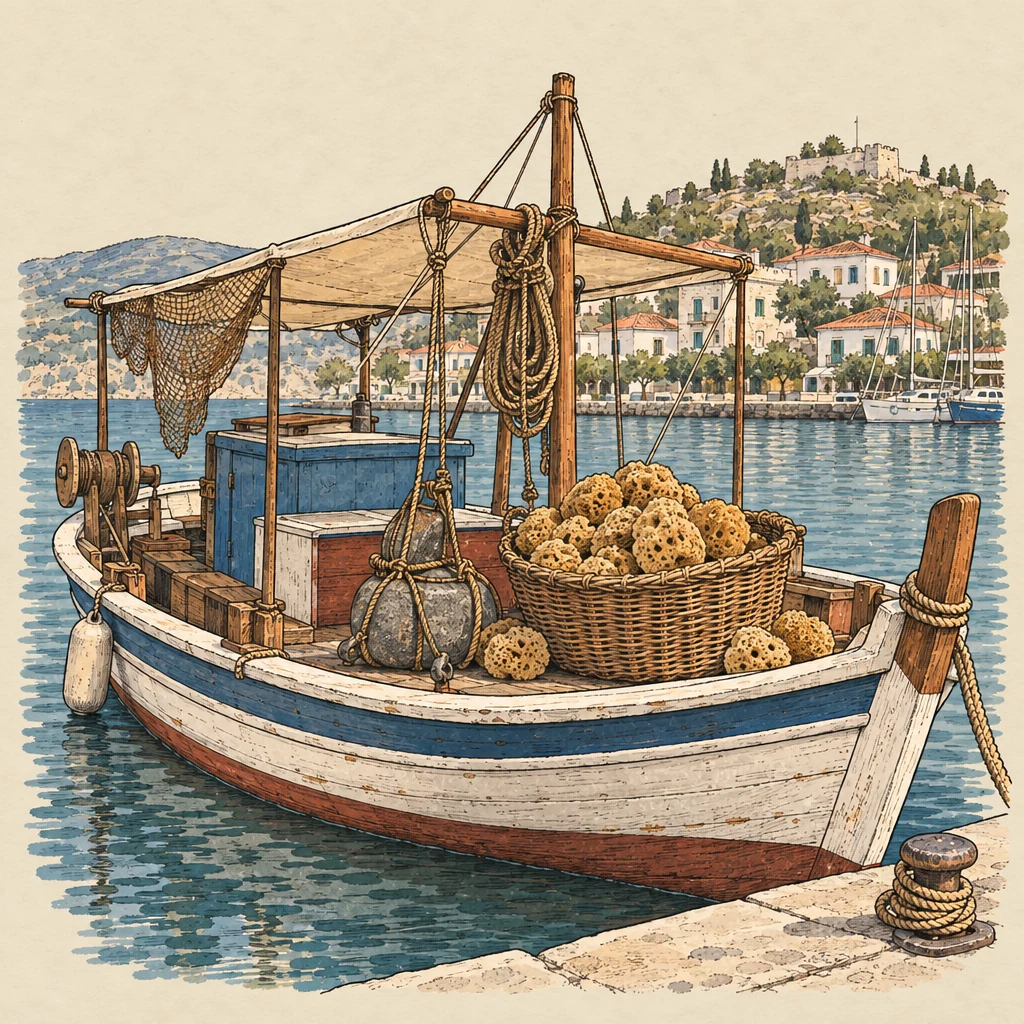
A former sponge-diving village on the Bodrum peninsula, now known for its marina.

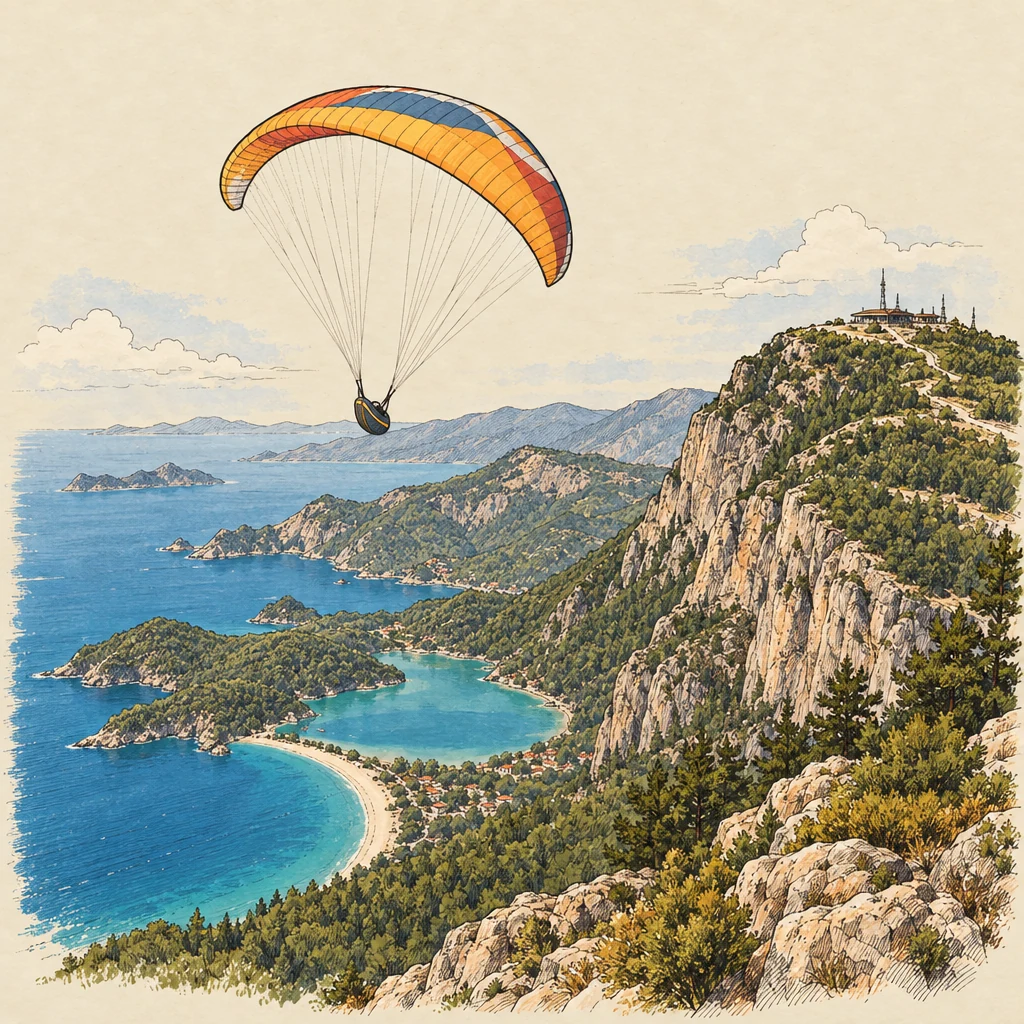
Ölüdeniz — Beach towns illustration from the Suzy Talks Turkey encyclopedia

Beach towns

Ölüdeniz

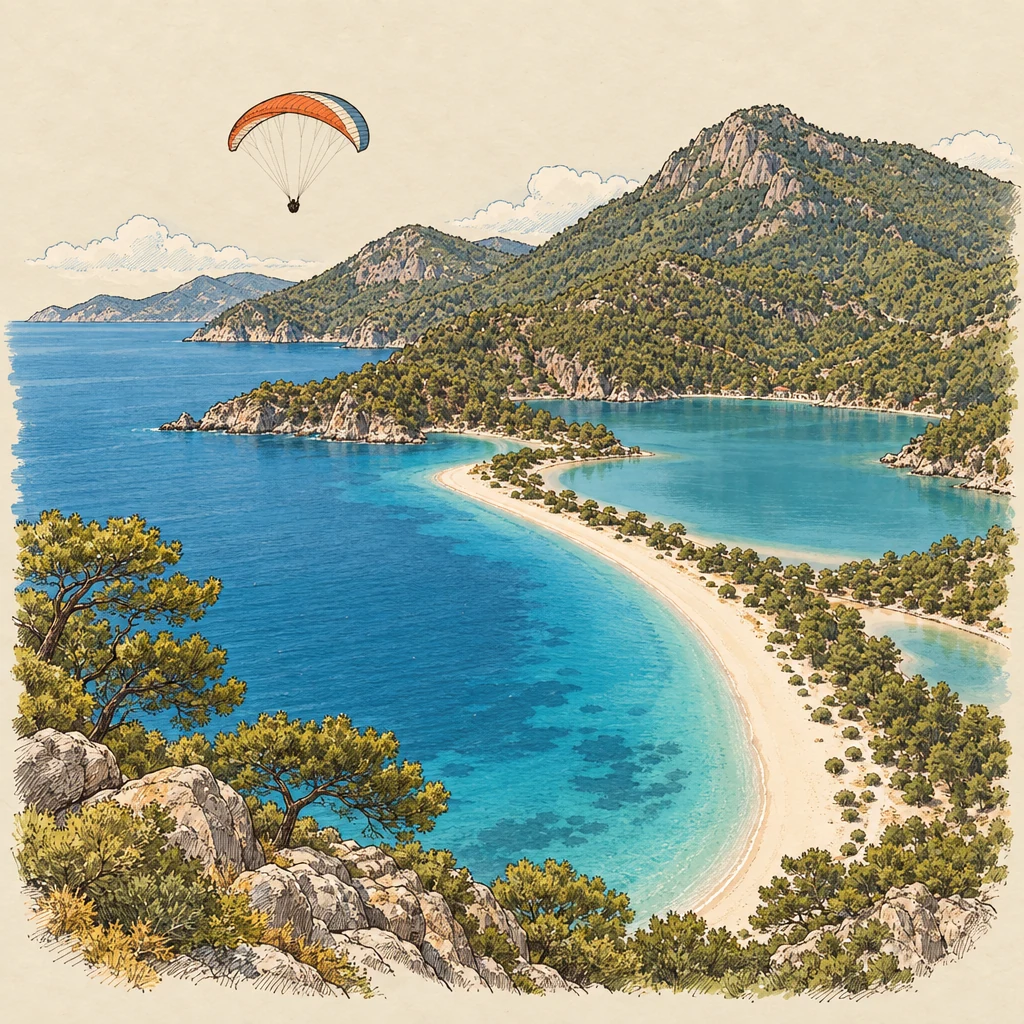
A still blue lagoon near Fethiye, with paragliders drifting down from Babadağ.

Akyaka — Beach towns illustration from the Suzy Talks Turkey encyclopedia

Beach towns

Akyaka

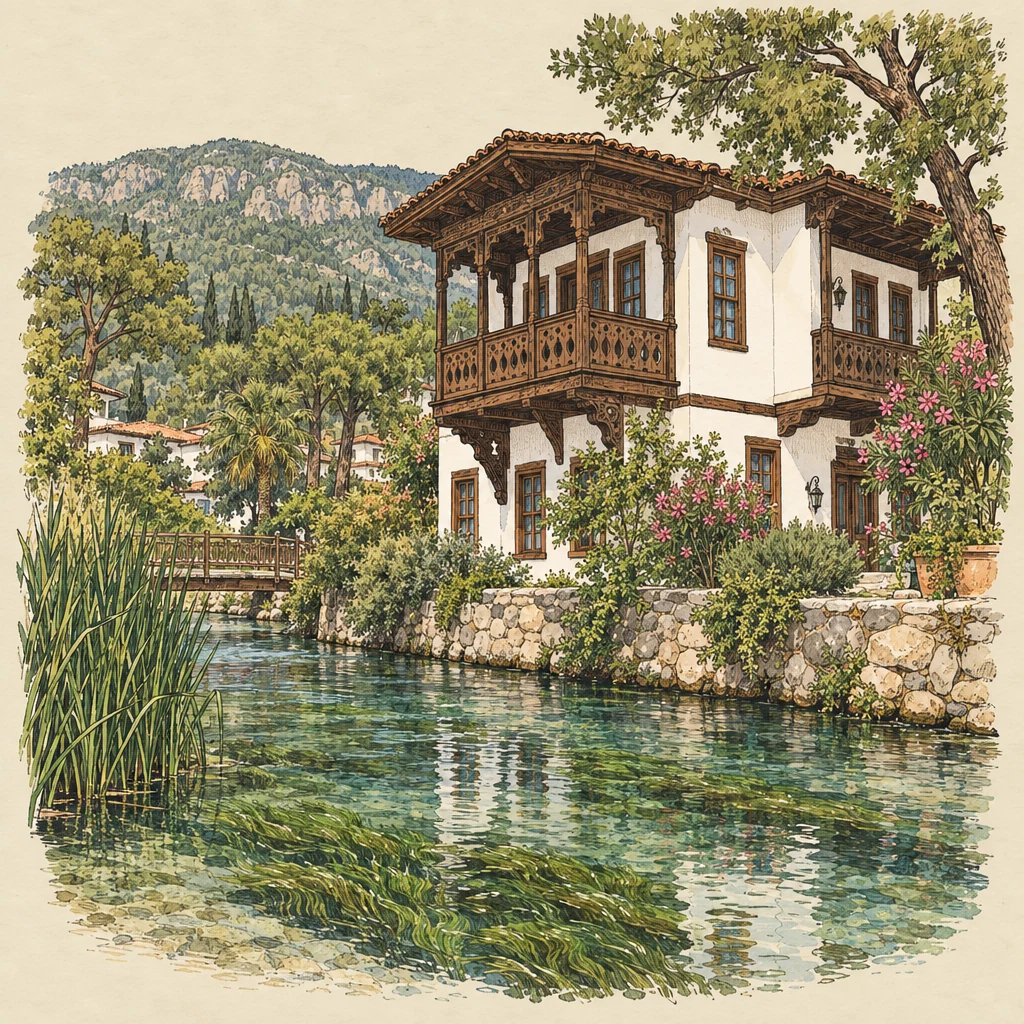
A slow-paced village at the head of Gökova bay, known for its wooden houses and cold stream.

Göcek — Beach towns illustration from the Suzy Talks Turkey encyclopedia

Beach towns

Göcek

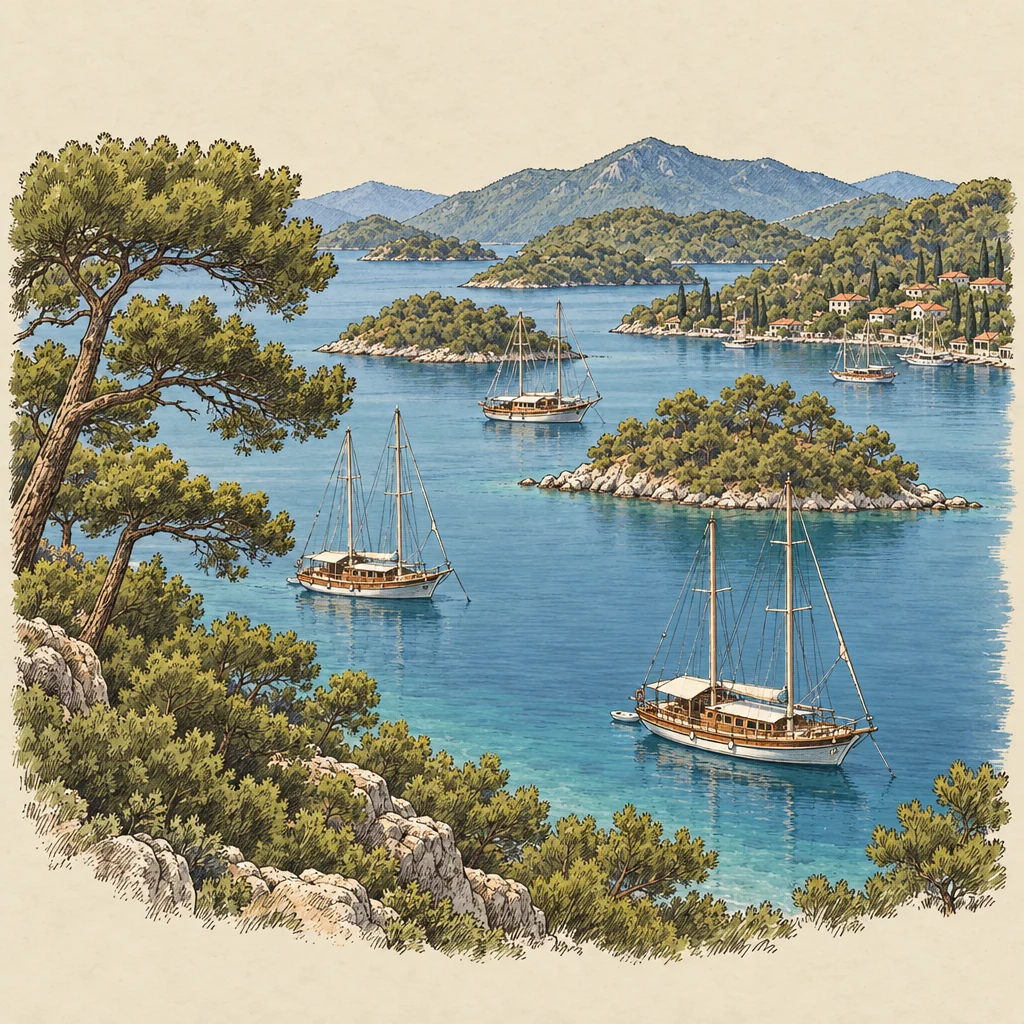
A sheltered yachting village near Fethiye, start and end point of many blue voyages.

Gümüşlük — Beach towns illustration from the Suzy Talks Turkey encyclopedia

Beach towns

Gümüşlük

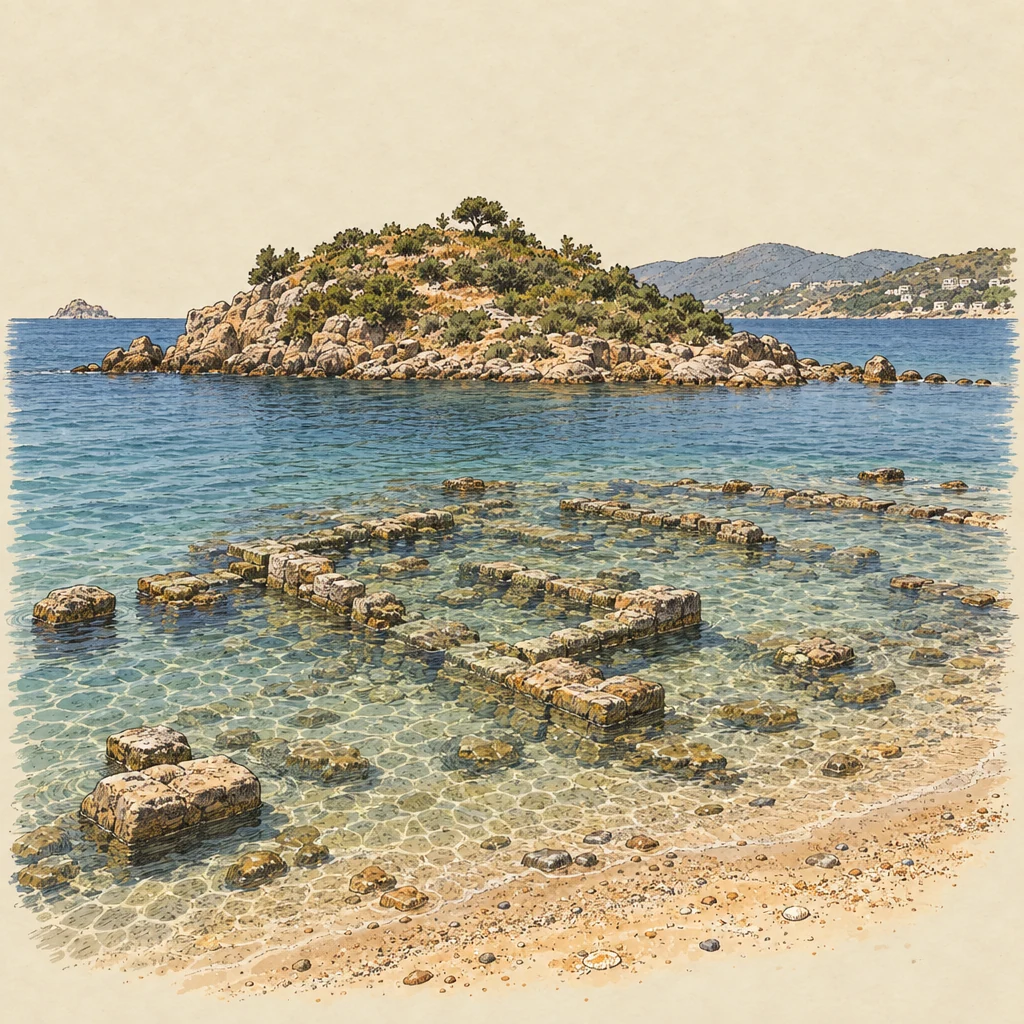
A fishing village at the western tip of the Bodrum peninsula, built over the ruins of ancient Myndos.

Turgutreis — Beach towns illustration from the Suzy Talks Turkey encyclopedia

Beach towns

Turgutreis

A resort town on the Bodrum peninsula, named after the Ottoman admiral Turgut Reis.

Dalyan — Beach towns illustration from the Suzy Talks Turkey encyclopedia

Beach towns

Dalyan

A river town where boats wind through the reeds to the sea, the turtle beach and ancient Kaunos.

Turunç — Beach towns illustration from the Suzy Talks Turkey encyclopedia

Beach towns

Turunç

A small bay resort south of Marmaris, once a fishing village, with the ruins of Amos nearby.

Bitez — Beach towns illustration from the Suzy Talks Turkey encyclopedia

Beach towns

Bitez

A beach neighbourhood a few kilometres west of Bodrum, with a long blue-flag beach and a part in a famous folk song.

Ortakent — Beach towns illustration from the Suzy Talks Turkey encyclopedia

Beach towns

Ortakent

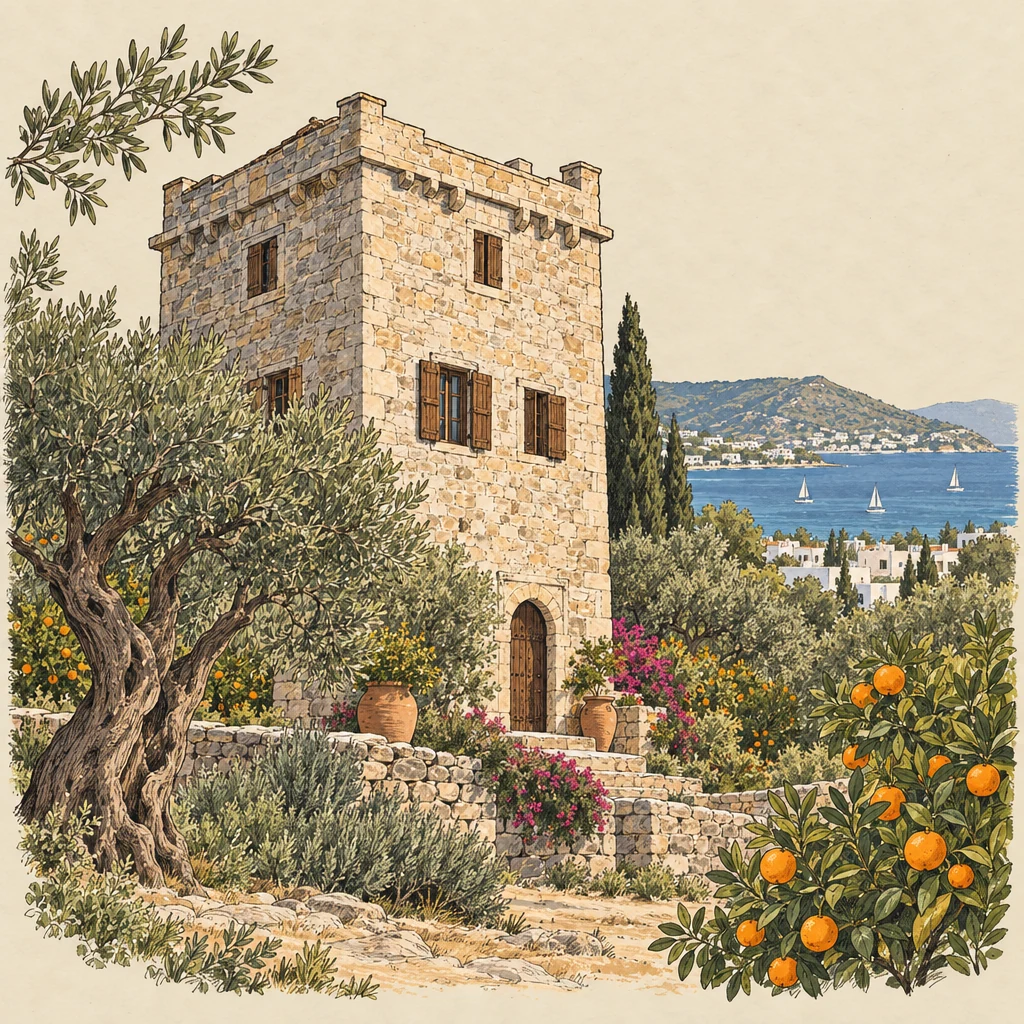
A Bodrum neighbourhood joining the old villages of Ortakent and Yahşi, with a 17th-century Ottoman tower house.

Gündoğan — Beach towns illustration from the Suzy Talks Turkey encyclopedia

Beach towns

Gündoğan

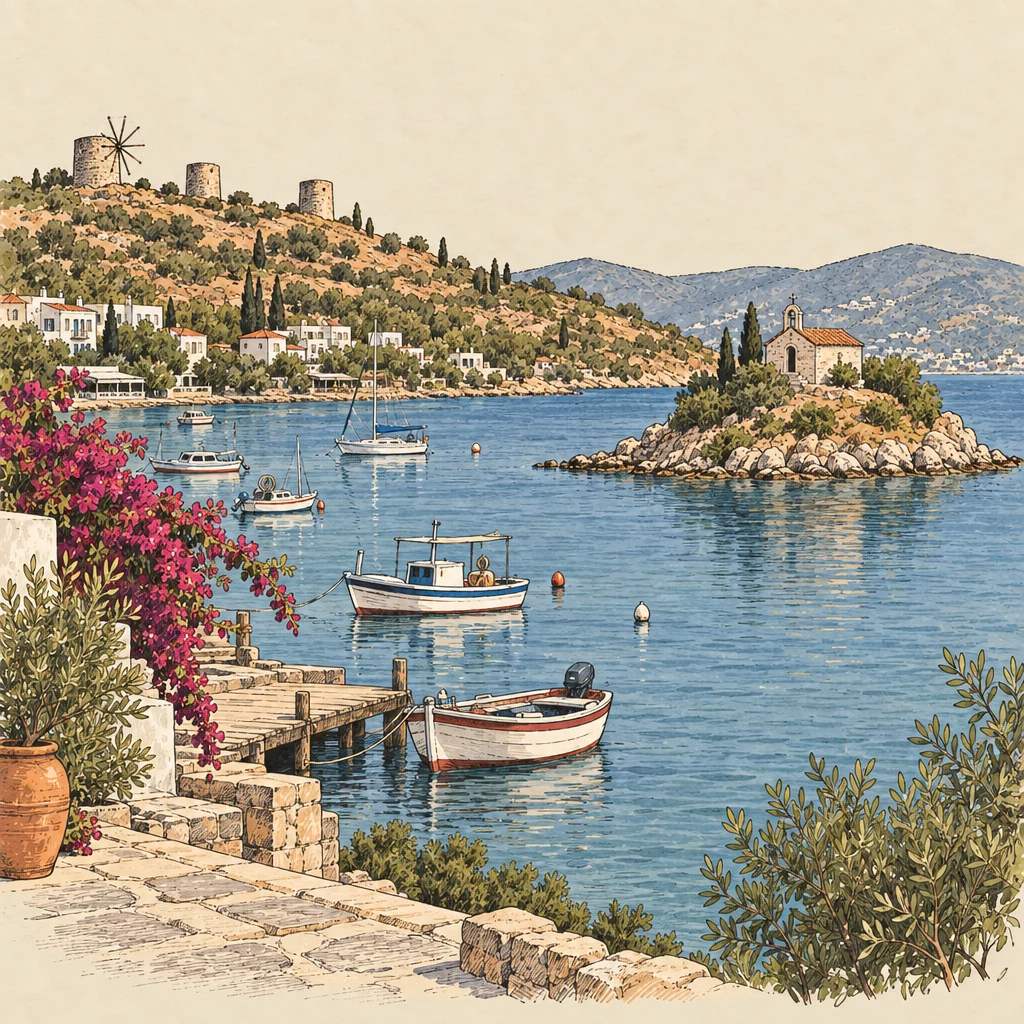
A bay on the Bodrum peninsula's north coast, known for windmills, rock tombs, a chapel island and windsurfing.

Göltürkbükü — Beach towns illustration from the Suzy Talks Turkey encyclopedia

Beach towns

Göltürkbükü

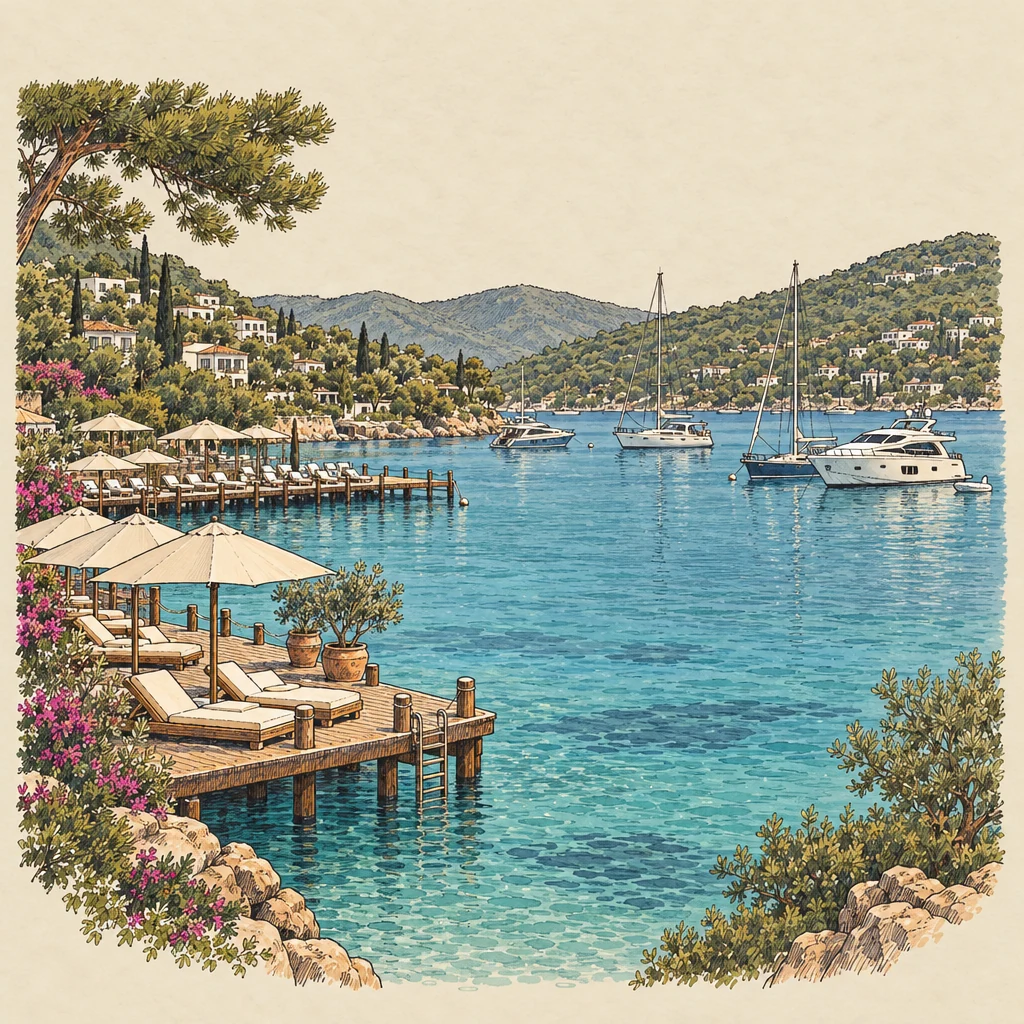
Twin bays on the north of the Bodrum peninsula, Gölköy and Türkbükü, with wooden piers, beach clubs and yachts.

Torba — Beach towns illustration from the Suzy Talks Turkey encyclopedia

Beach towns

Torba

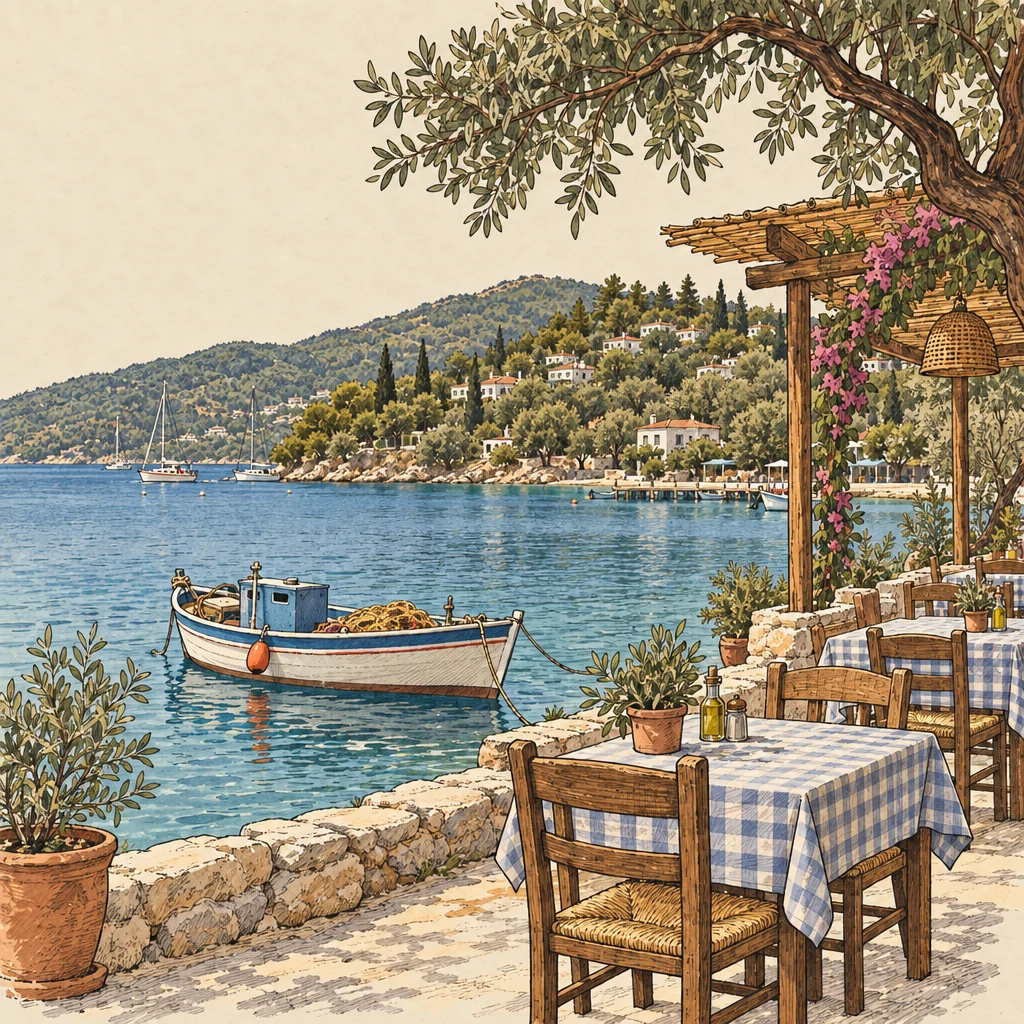
A seaside village 6 km northeast of Bodrum, with olive groves, pine woods and fish restaurants on the shore.

Akyarlar — Beach towns illustration from the Suzy Talks Turkey encyclopedia

Beach towns

Akyarlar

A bay at the south-western tip of the Bodrum peninsula, 5 km across the water from Kos, with a sheltered windsurf bay.

Hisarönü — Beach towns illustration from the Suzy Talks Turkey encyclopedia

Beach towns

Hisarönü

A resort in the pine woods above Ölüdeniz, near Fethiye, busy with hotels, restaurants, bars and shops.

Çalış — Beach towns illustration from the Suzy Talks Turkey encyclopedia

Beach towns

Çalış

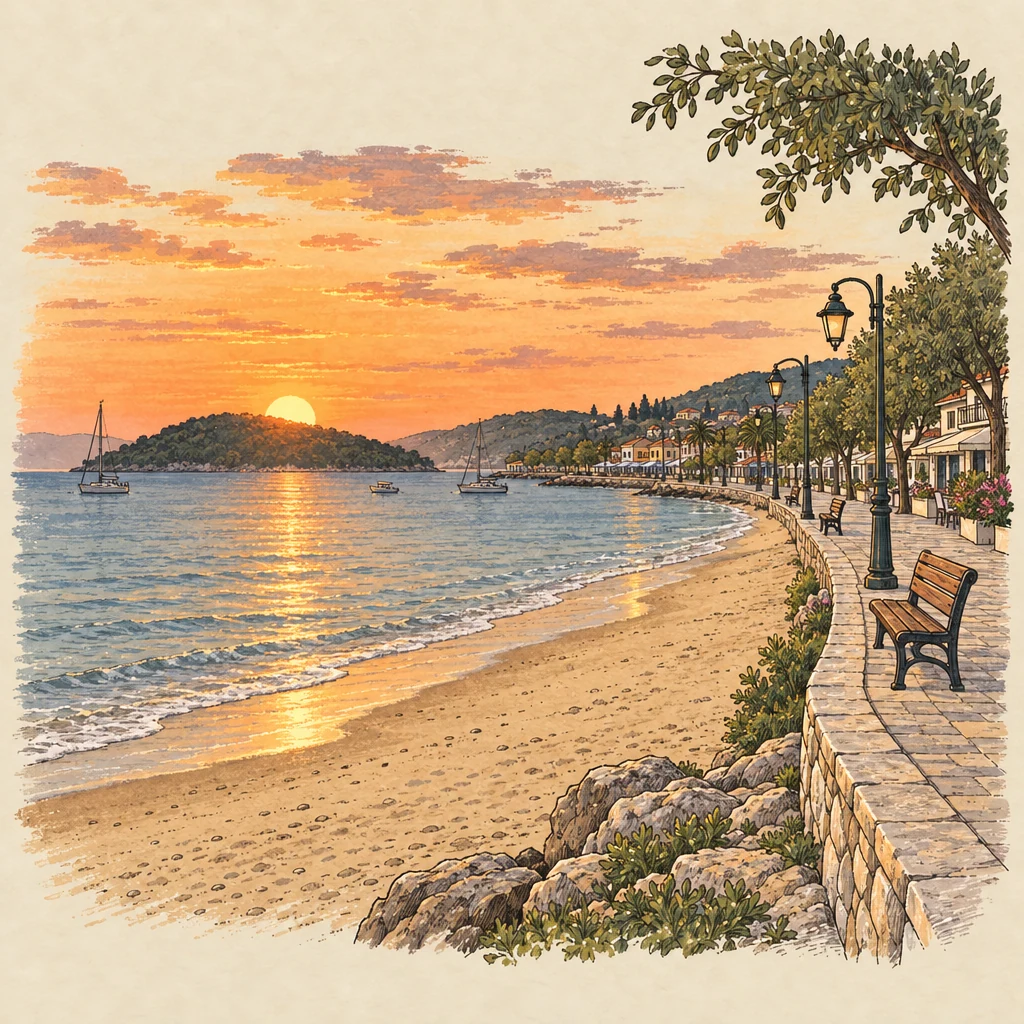
Fethiye's long town beach, facing Şövalye Adası across the bay, known for its promenade, sunsets and nesting turtles.
Food & drink

Çam balı — Food & drink illustration from the Suzy Talks Turkey encyclopedia

Food & drink

Çam balı

Dark pine honey from Muğla's forests, made by bees from a sweet secretion on pine trees.

Çökertme kebabı — Food & drink illustration from the Suzy Talks Turkey encyclopedia

Food & drink

Çökertme kebabı

Bodrum's dish of thin-cut beef on matchstick fried potatoes with garlic yoghurt and tomato sauce.

Datça bademi — Food & drink illustration from the Suzy Talks Turkey encyclopedia

Food & drink

Datça bademi

The large, sweet, hard-shelled nurlu almond of the Datça peninsula.

Bodrum mandalinası — Food & drink illustration from the Suzy Talks Turkey encyclopedia

Food & drink

Bodrum mandalinası

Bodrum's fragrant mandarin, a protected designation of origin since 2012.

Milas yağlı zeytini — Food & drink illustration from the Suzy Talks Turkey encyclopedia

Food & drink

Milas yağlı zeytini

Split black Memecik table olives from Milas, cured in brine and kept under olive oil and lemon.

Muğla göce tarhanası — Food & drink illustration from the Suzy Talks Turkey encyclopedia

Food & drink

Muğla göce tarhanası

Muğla's tarhana of cracked wheat and strained yoghurt, dried in rings and cooked as a winter soup.

Muğla saraylısı — Food & drink illustration from the Suzy Talks Turkey encyclopedia

Food & drink

Muğla saraylısı

A spiral pastry of thin yufka rolled around local walnuts and soaked in syrup, first made by the Yörük.

Fethiye Balık Pazarı — Food & drink illustration from the Suzy Talks Turkey encyclopedia

Food & drink

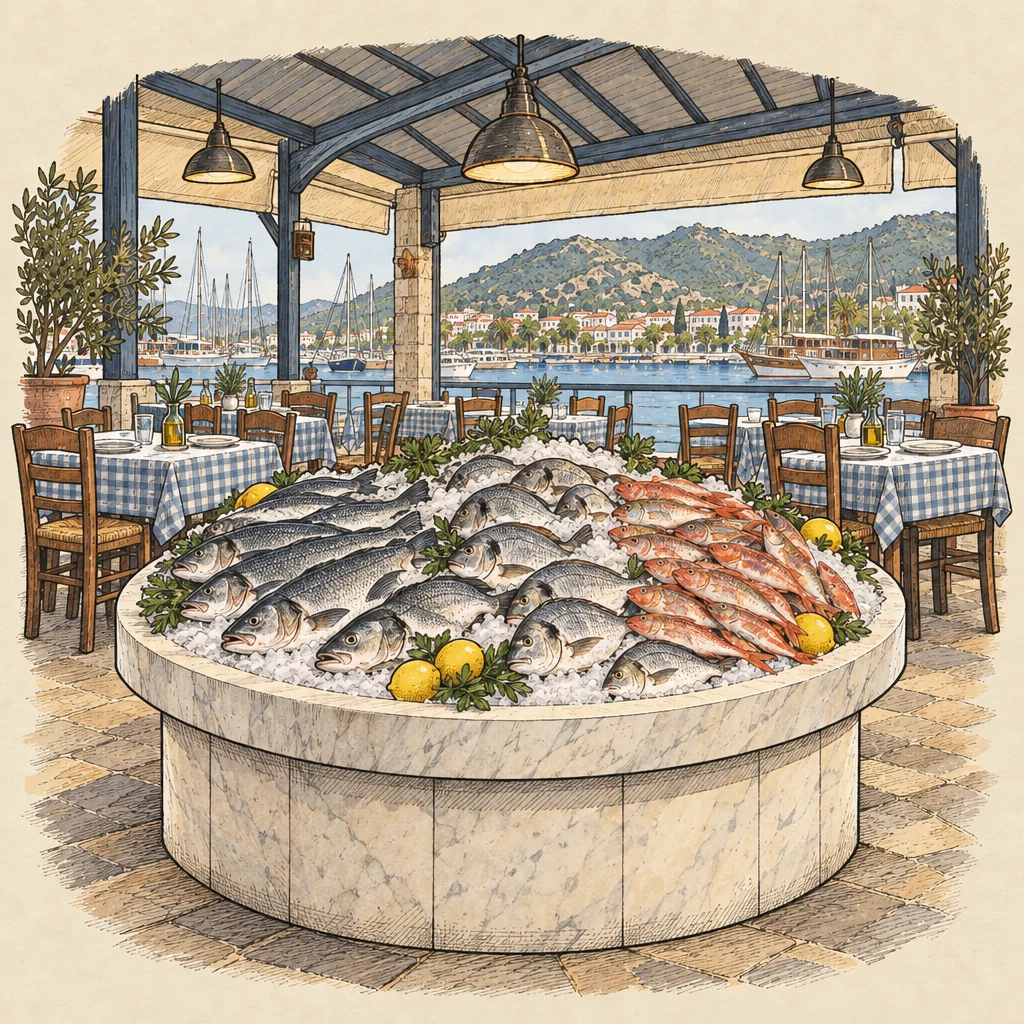
Fethiye Balık Pazarı

Fethiye's fish market: buy fish at the central stall, and a restaurant around it cooks it for your table.

Writers & poets

Halikarnas Balıkçısı — Writers & poets illustration from the Suzy Talks Turkey encyclopedia

Writers & poets

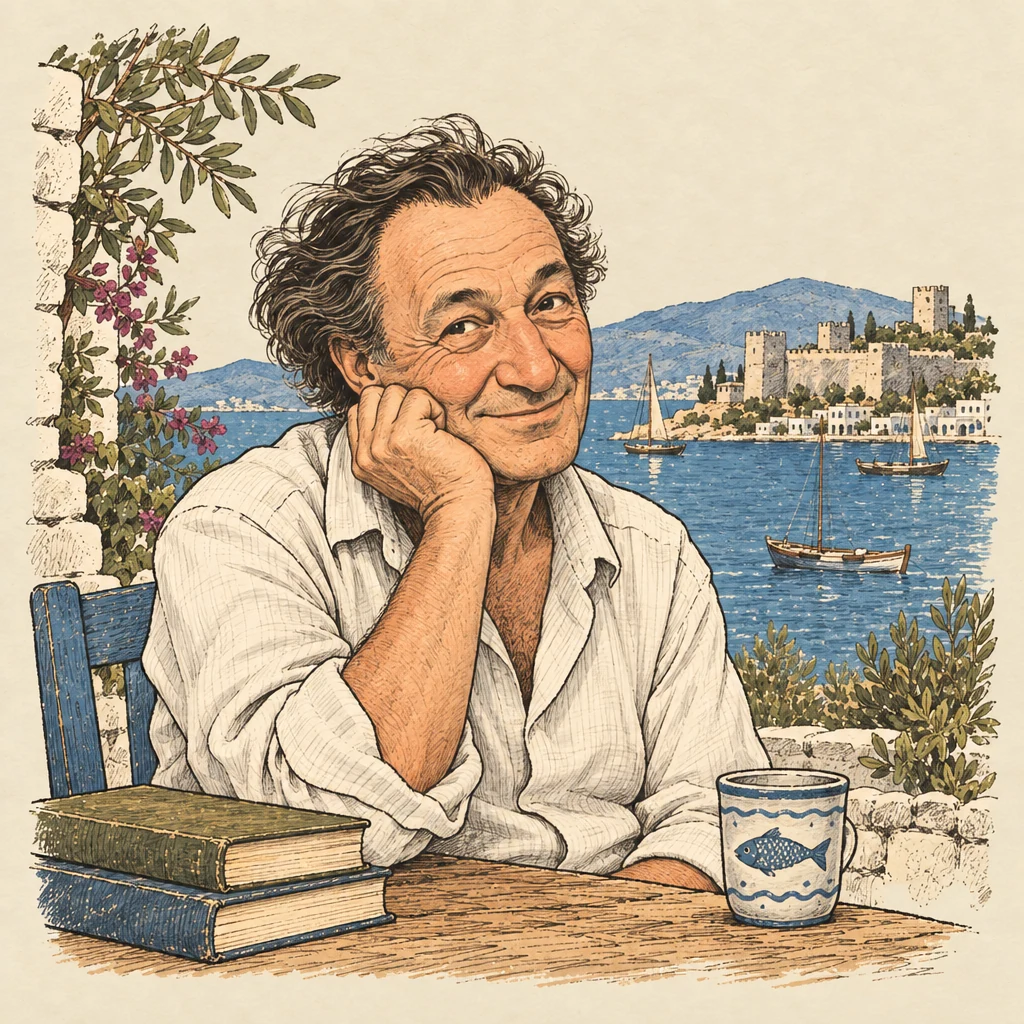
Halikarnas Balıkçısı

Cevat Şakir Kabaağaçlı, the exiled writer who made Bodrum and the Aegean sea his life's subject.

Traditions & everyday life

Orhan Menteşe Çiftliği — Traditions & everyday life illustration from the Suzy Talks Turkey encyclopedia

Traditions & everyday life

Orhan Menteşe Çiftliği

Rauf's family olive farm near Milas, where Memecik olives become Menteşe Som oil.

Mavi Yolculuk — Traditions & everyday life illustration from the Suzy Talks Turkey encyclopedia

Traditions & everyday life

Mavi Yolculuk

The Blue Cruise: a slow week of sailing between coves on a wooden gulet.

Likya Yolu — Traditions & everyday life illustration from the Suzy Talks Turkey encyclopedia

Traditions & everyday life

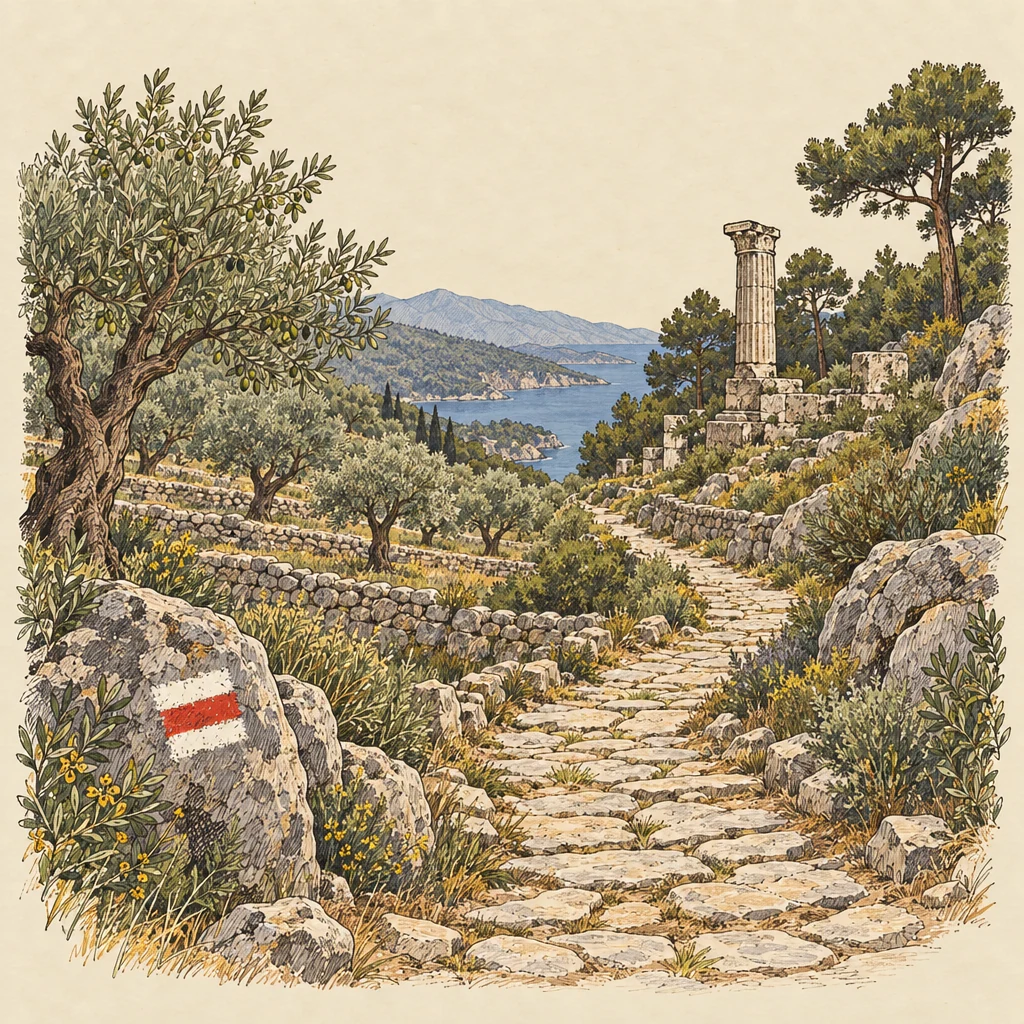
Likya Yolu

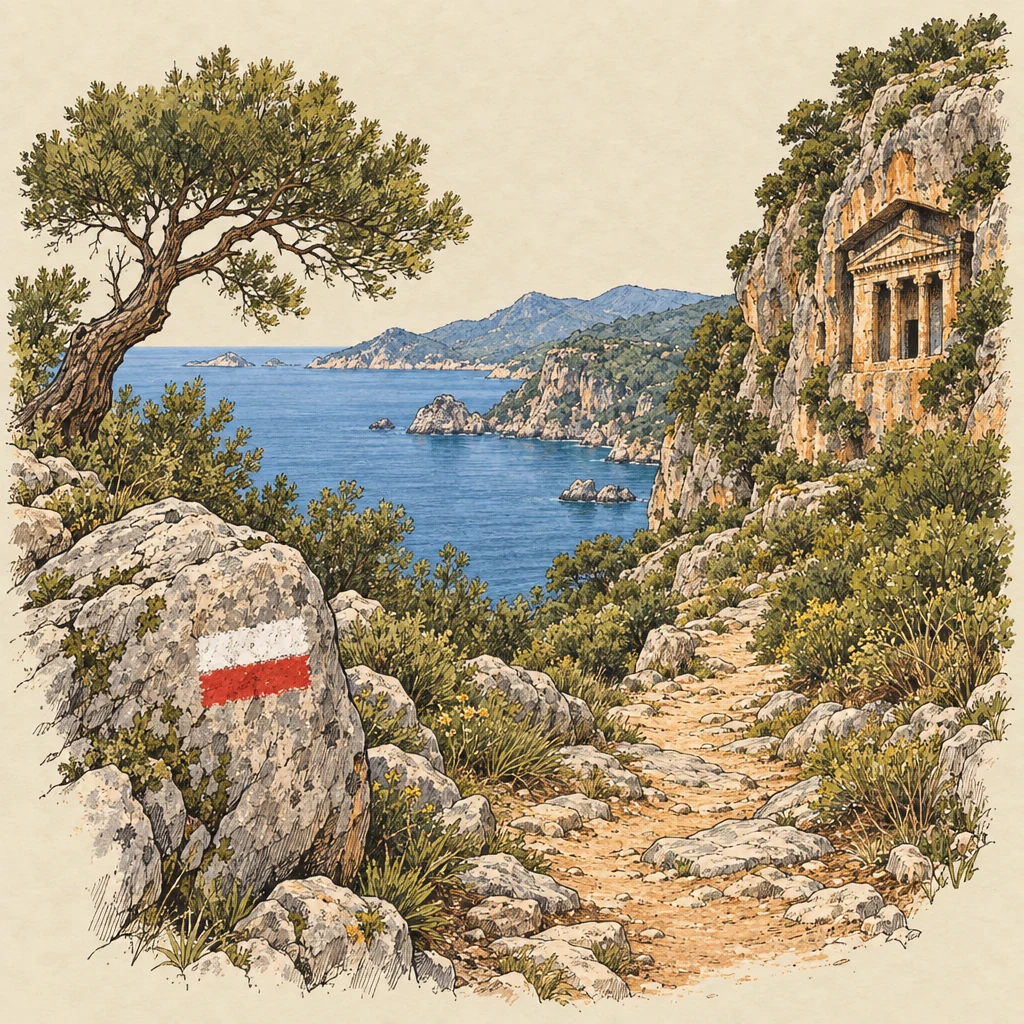
A waymarked long-distance footpath along the old Lycian coast, from near Fethiye towards Antalya.

Süngercilik — Traditions & everyday life illustration from the Suzy Talks Turkey encyclopedia

Traditions & everyday life

Süngercilik

Sponge diving, the trade that kept Bodrum's boats busy for much of the twentieth century.

Milas halısı — Traditions & everyday life illustration from the Suzy Talks Turkey encyclopedia

Traditions & everyday life

Milas halısı

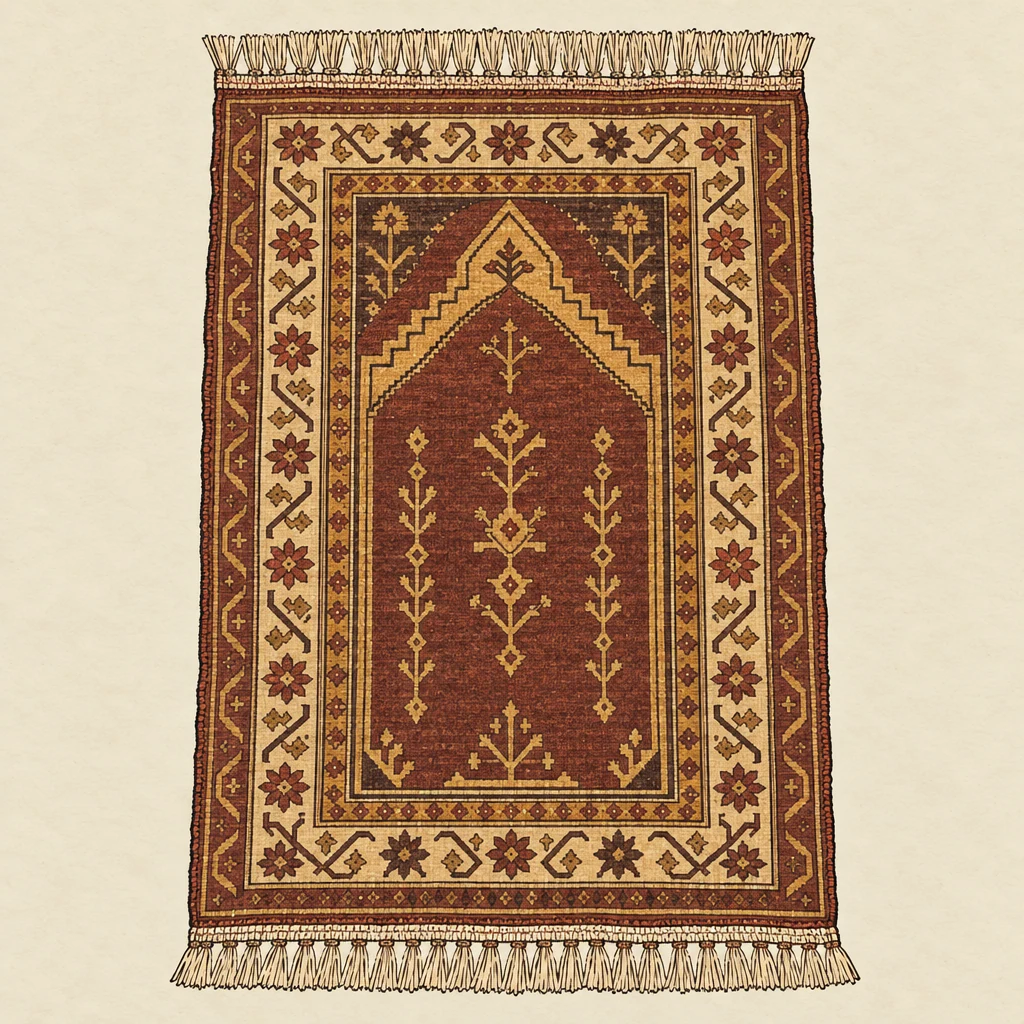
Hand-knotted wool rugs from Milas, known for warm browns, reddish browns and dark yellows.

Muğla evleri — Traditions & everyday life illustration from the Suzy Talks Turkey encyclopedia

Traditions & everyday life

Muğla evleri

Muğla's old courtyard houses, with kuzulu kapı gates and tiled chimneys.

Karia Yolu — Traditions & everyday life illustration from the Suzy Talks Turkey encyclopedia

Traditions & everyday life

Karia Yolu

The Carian Trail, a waymarked walking route of about 850 km through the old land of Caria.

Marmaris Barlar Sokağı — Traditions & everyday life illustration from the Suzy Talks Turkey encyclopedia

Traditions & everyday life

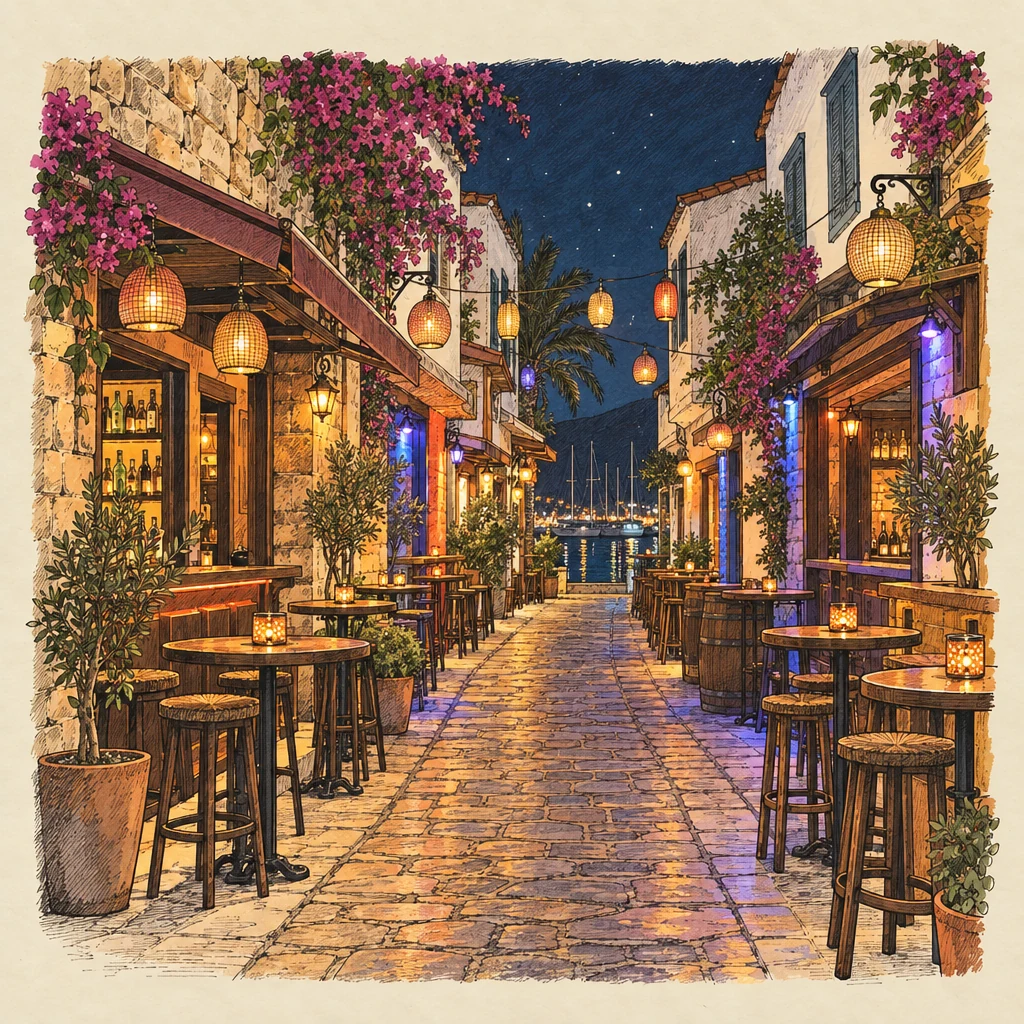
Marmaris Barlar Sokağı

Marmaris's Bar Street, a narrow lane of bars, clubs and discos where summer nights run until morning.

Muğla zeybeği — Traditions & everyday life illustration from the Suzy Talks Turkey encyclopedia

Traditions & everyday life

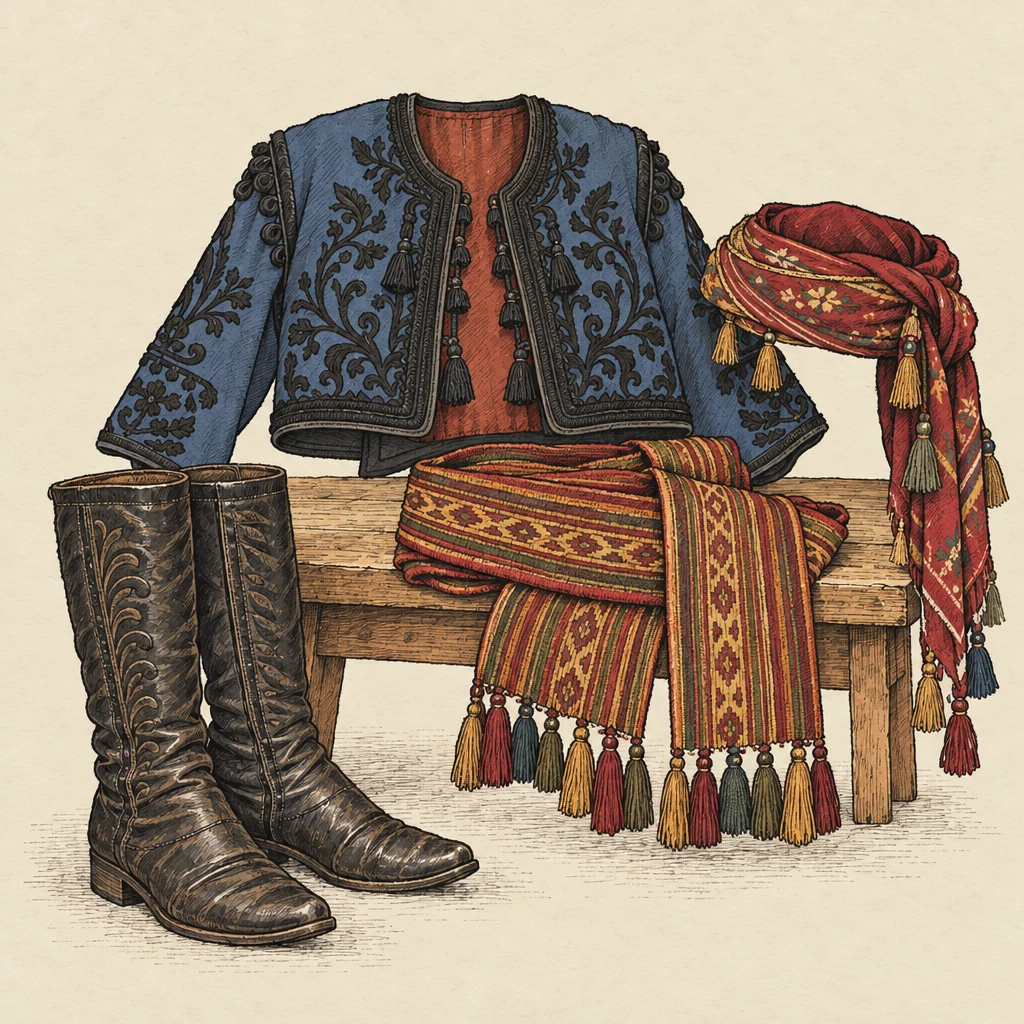
Muğla zeybeği

The Aegean zeybek dance as it lives in Muğla, from slow heavy zeybeks to the Kerimoğlu tune.

Cities & regions

Milas — Cities & regions illustration from the Suzy Talks Turkey encyclopedia

Cities & regions

Milas

An old inland town near Bodrum, once capital of Caria and of the Menteşe beylik.

Fethiye — Cities & regions illustration from the Suzy Talks Turkey encyclopedia

Cities & regions

Fethiye

A harbour town on the Lycian coast, built over ancient Telmessos and named after an aviator.

Marmaris — Cities & regions illustration from the Suzy Talks Turkey encyclopedia

Cities & regions

Marmaris

A harbour town facing Rhodes, with an Ottoman castle above its marina.

Datça — Cities & regions illustration from the Suzy Talks Turkey encyclopedia

Cities & regions

Datça

A long, narrow peninsula town of almond trees, quiet coves and ancient Knidos.

Ula — Cities & regions illustration from the Suzy Talks Turkey encyclopedia

Cities & regions

Ula

A small hill town and district just south of Muğla, named after an ancient Carian town.

Villages

Eski Datça — Villages illustration from the Suzy Talks Turkey encyclopedia

Villages

Eski Datça

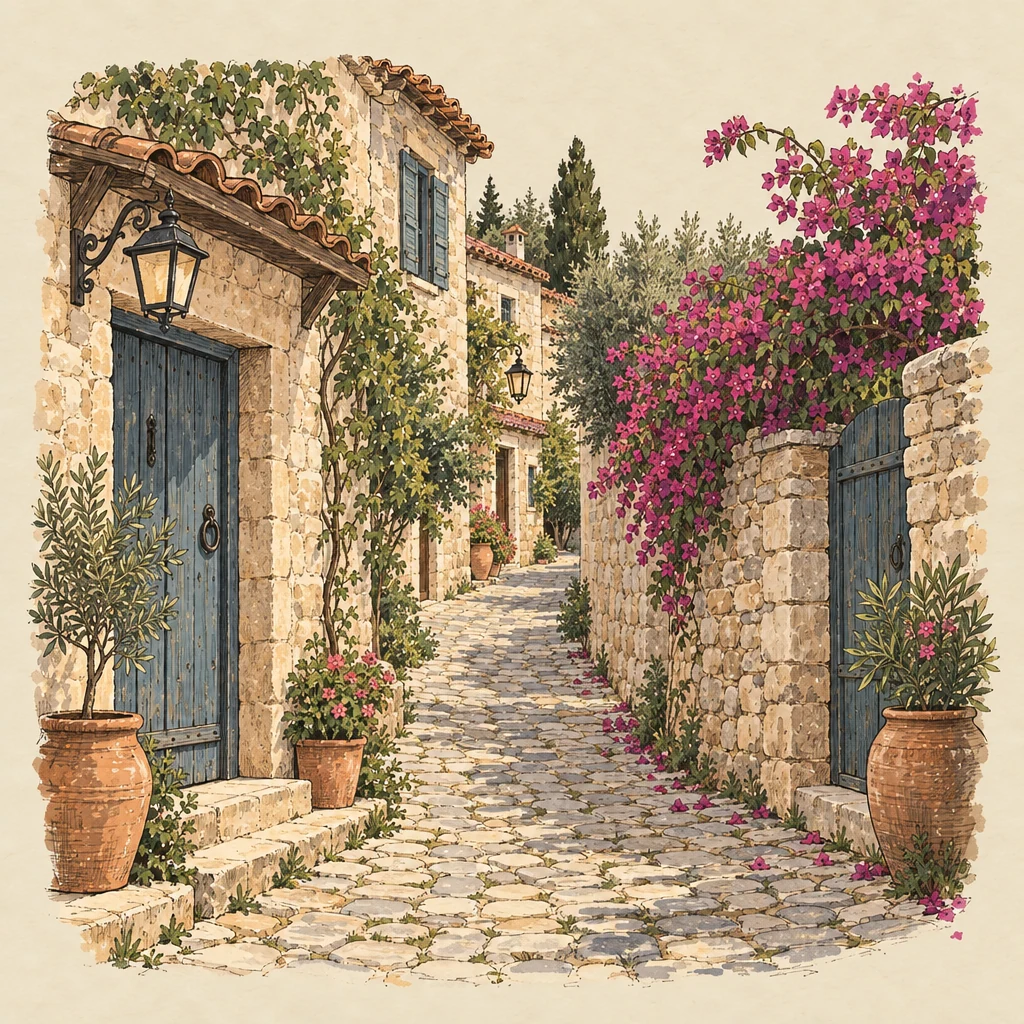
The old quarter of Datça, with stone houses, cobbled lanes and the last home of the poet Can Yücel.

Selimiye — Villages illustration from the Suzy Talks Turkey encyclopedia

Villages

Selimiye

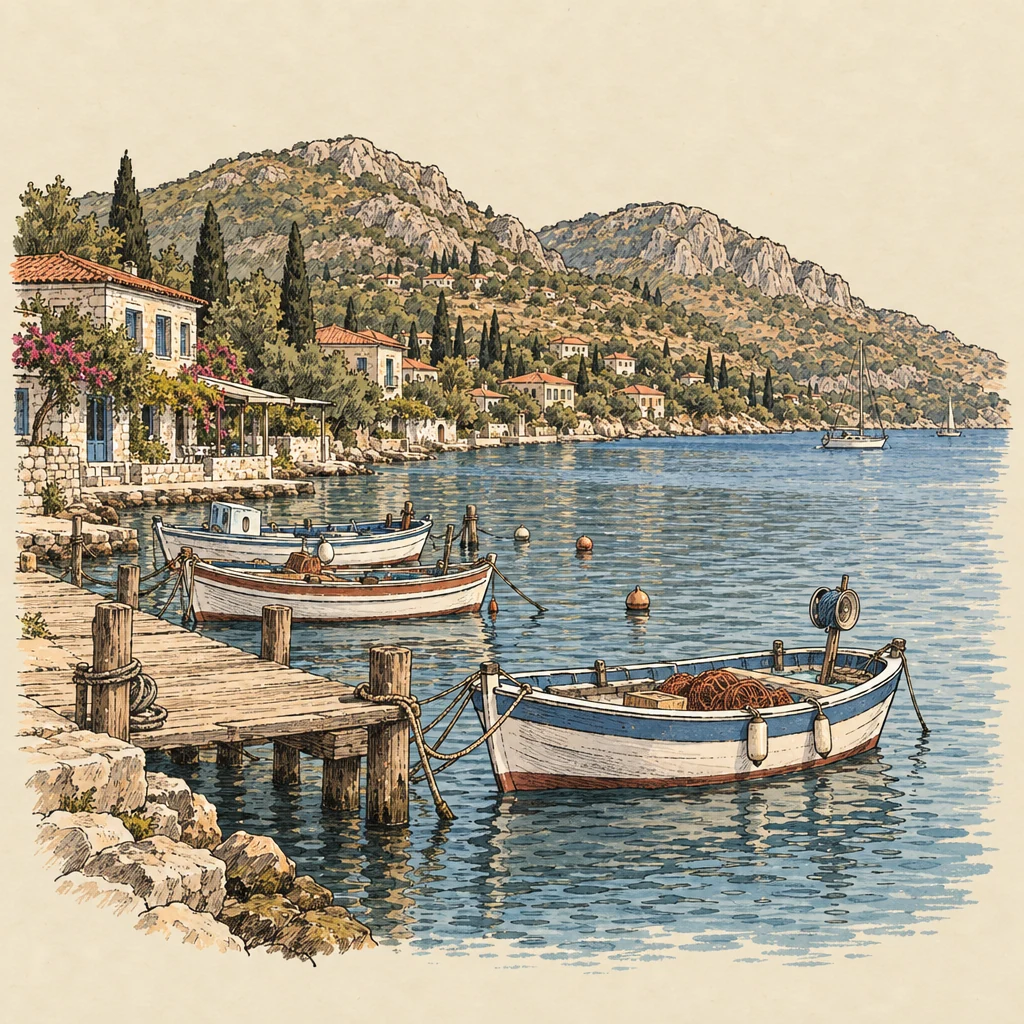
A fishing village on a sheltered bay of the Bozburun peninsula, named after Sultan Selim I.

Bozburun — Villages illustration from the Suzy Talks Turkey encyclopedia

Villages

Bozburun

A harbour village on the Bozburun peninsula, known for building wooden gulets and for its thyme honey.

Faralya — Villages illustration from the Suzy Talks Turkey encyclopedia

Villages

Faralya

A hillside village high above Kelebekler Vadisi, the Butterfly Valley, on the Lycian Way.

Söğüt — Villages illustration from the Suzy Talks Turkey encyclopedia

Villages

Söğüt

A quiet village near the tip of the Bozburun peninsula, looking across the sea to the Greek island of Symi.

Ağaçlıhöyük — Villages illustration from the Suzy Talks Turkey encyclopedia

Villages

Ağaçlıhöyük

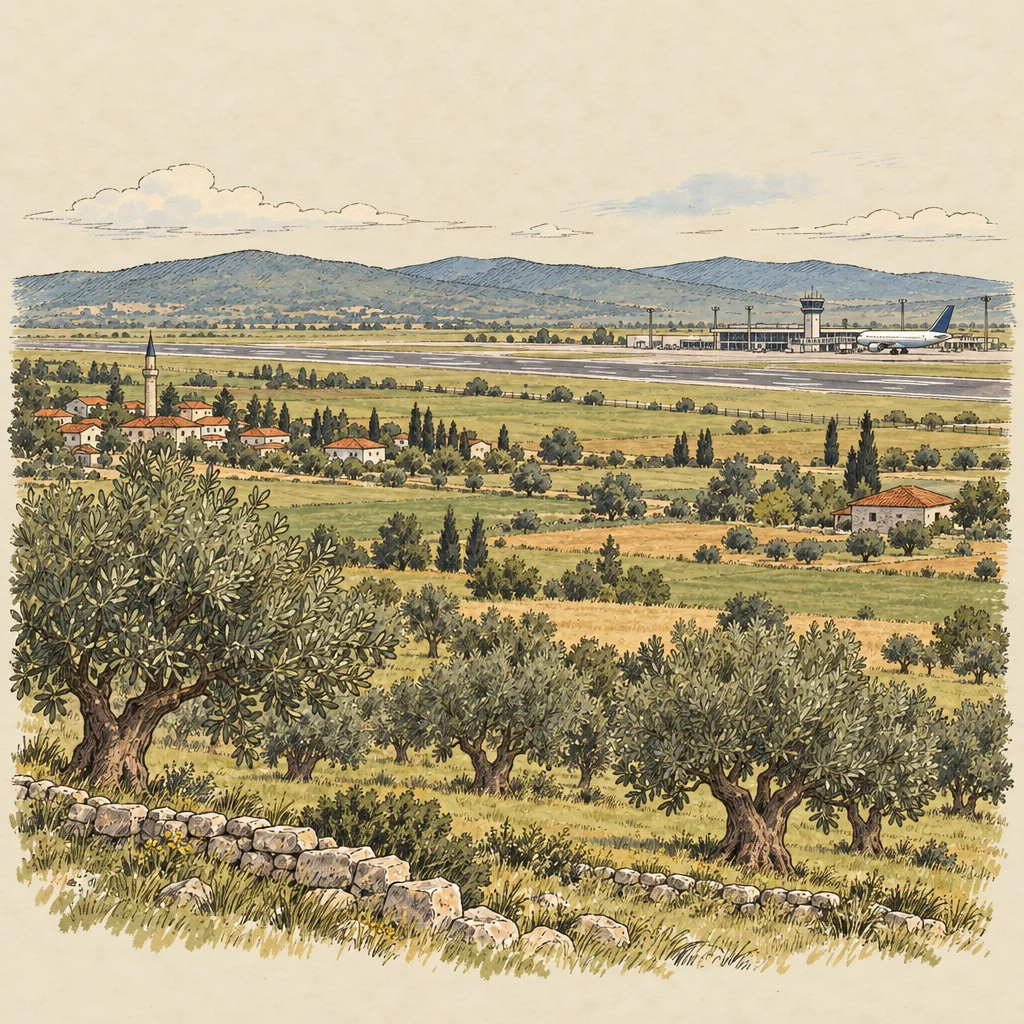
A farming village on the plain south of Milas, near the airport, home to Rauf's family olive farm.

Baharlı — Villages illustration from the Suzy Talks Turkey encyclopedia

Villages

Baharlı

A hillside village 8 km from Milas, looking down on the old road to Bodrum.

Koru — Villages illustration from the Suzy Talks Turkey encyclopedia

Villages

Koru

A small village on the plain south of Milas, once part of neighbouring Ekinanbarı.

Ekinanbarı — Villages illustration from the Suzy Talks Turkey encyclopedia

Villages

Ekinanbarı

The village by Milas–Bodrum Airport, once called Tekfuranbarı, on the old road to Bodrum.

Çamlı — Villages illustration from the Suzy Talks Turkey encyclopedia

Villages

Çamlı

A pine-wooded village on the Gökova gulf near Marmaris, where boats leave for Sedir island.

Nature & animals

İztuzu Plajı — Nature & animals illustration from the Suzy Talks Turkey encyclopedia

Nature & animals

İztuzu Plajı

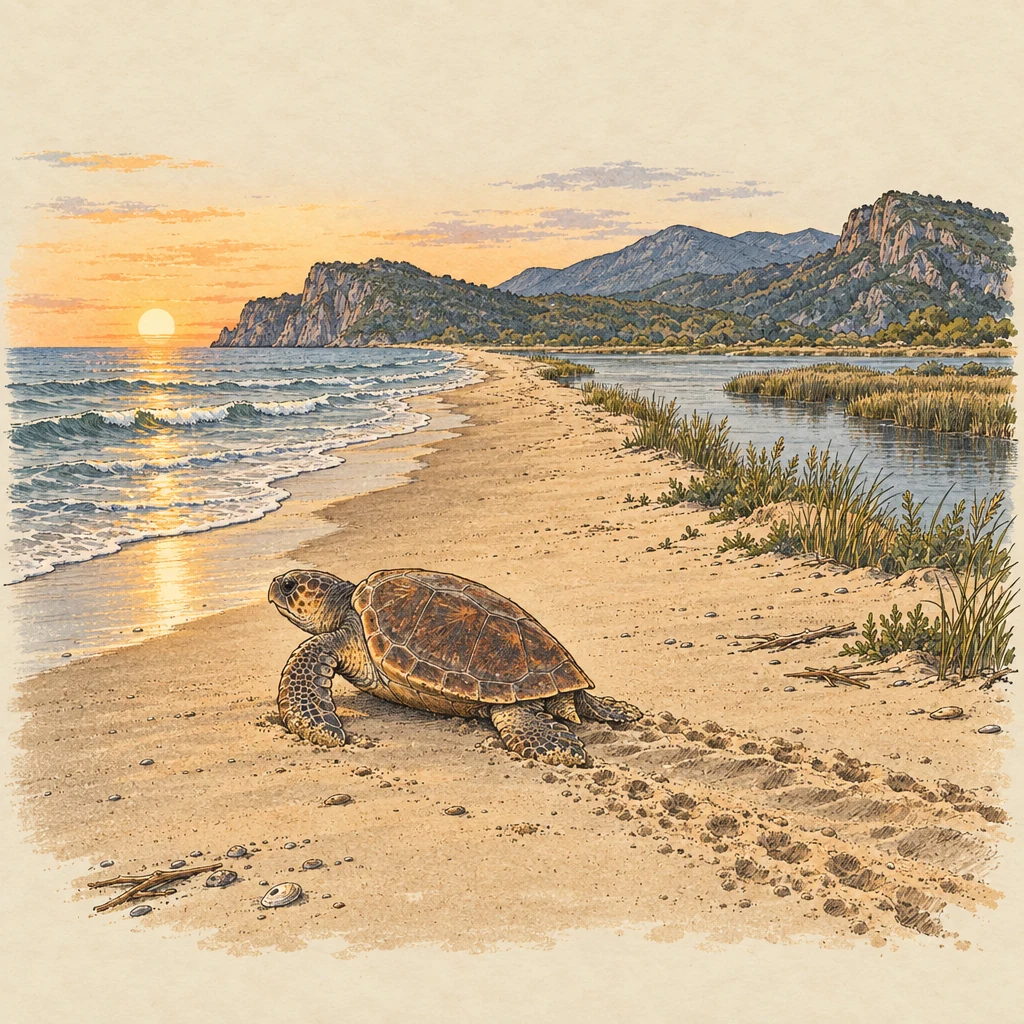
A long sandbar beach near Dalyan where loggerhead sea turtles come ashore to nest.

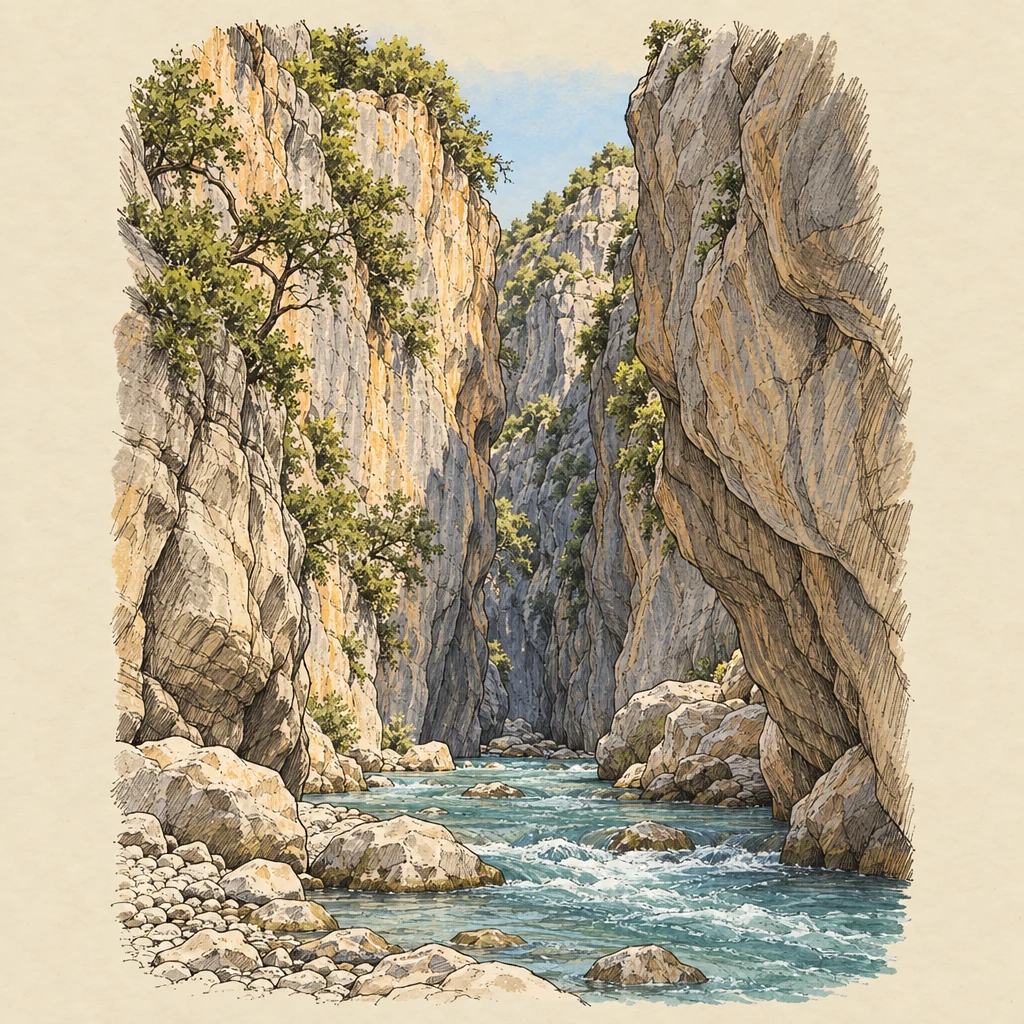
Saklıkent Kanyonu — Nature & animals illustration from the Suzy Talks Turkey encyclopedia

Nature & animals

Saklıkent Kanyonu

A deep, narrow limestone gorge near Fethiye, with walls about 200 metres high.

Babadağ — Nature & animals illustration from the Suzy Talks Turkey encyclopedia

Nature & animals

Babadağ

The mountain above Ölüdeniz from which paragliders launch out over the sea.

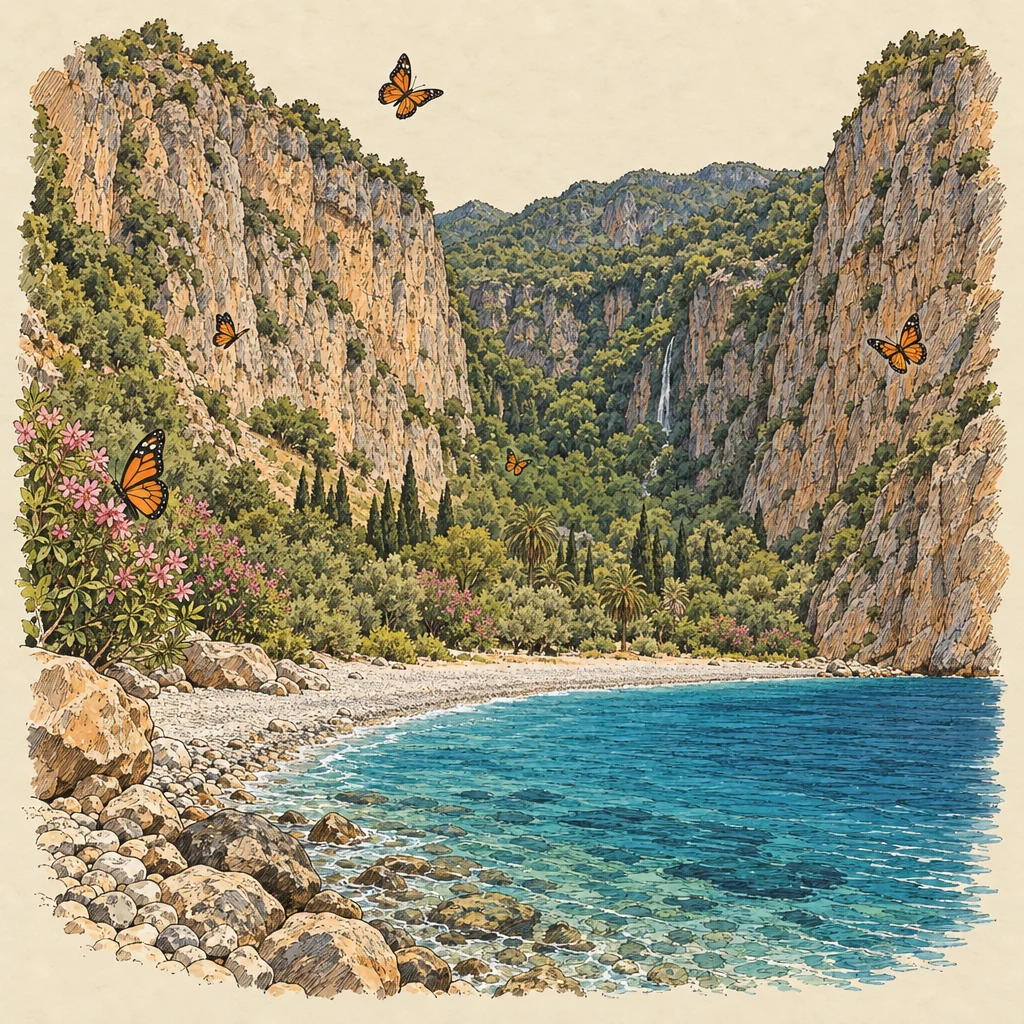
Kelebekler Vadisi — Nature & animals illustration from the Suzy Talks Turkey encyclopedia

Nature & animals

Kelebekler Vadisi

A steep-walled valley and beach below Babadağ near Ölüdeniz, named for its many butterflies.

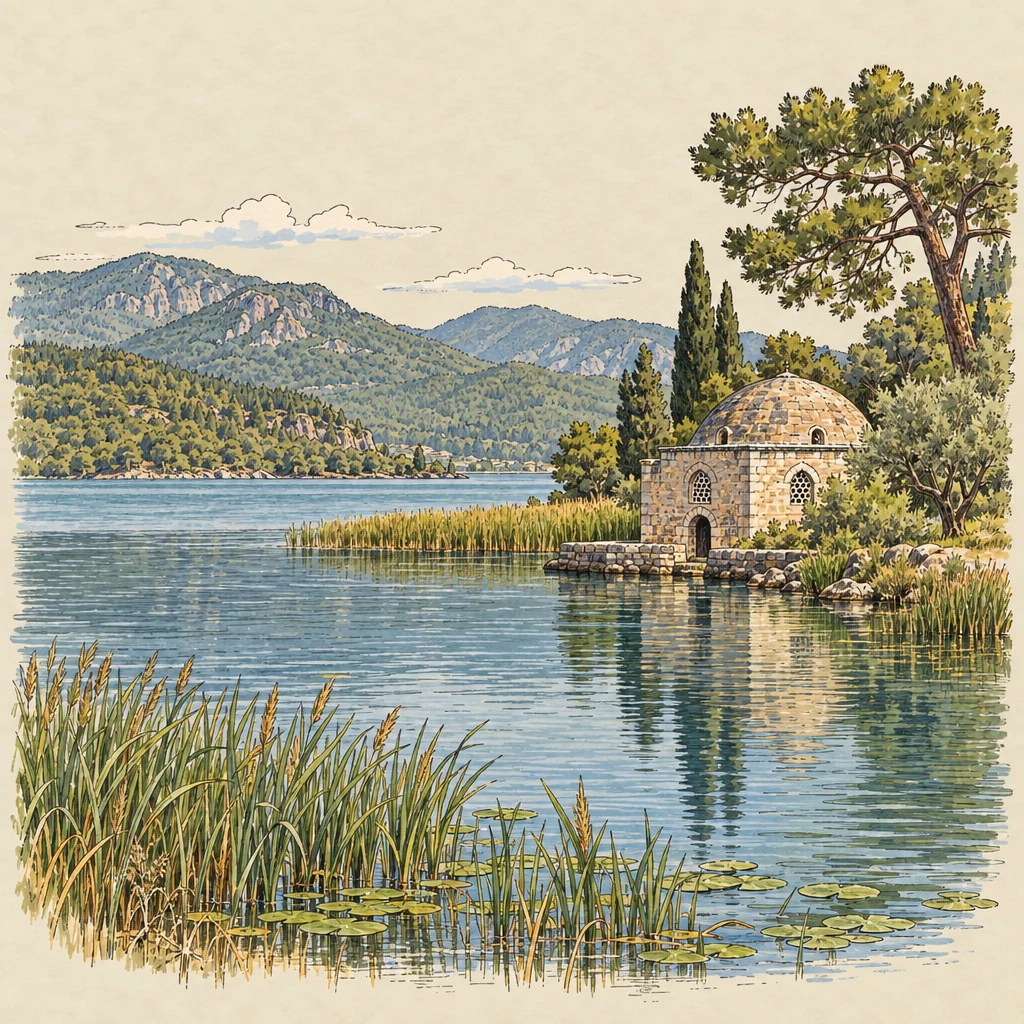
Köyceğiz Gölü — Nature & animals illustration from the Suzy Talks Turkey encyclopedia

Nature & animals

Köyceğiz Gölü

A large lake near the coast, joined to the sea by the reedy Dalyan channel and warmed by sulphur springs.

Sedir Adası — Nature & animals illustration from the Suzy Talks Turkey encyclopedia

Nature & animals

Sedir Adası

A small island in the Gökova gulf with the ruins of Kedrai and a protected beach known as Cleopatra's.

Gökova Körfezi — Nature & animals illustration from the Suzy Talks Turkey encyclopedia

Nature & animals

Gökova Körfezi

A long, narrow Aegean gulf between the Bodrum and Datça peninsulas, lined with pine-covered coves.

Azmak — Nature & animals illustration from the Suzy Talks Turkey encyclopedia

Nature & animals

Azmak

A short, deep, spring-fed stream at Akyaka that runs cold and clear into the Gökova gulf.

Read more

Muğla (il) on Vikipedi ↗

This page was written from these sources.

Questions

Is Bodrum in Muğla?

Yes. Bodrum is one of Muğla's 13 districts and, by population, the largest. Marmaris, Fethiye and Datça are Muğla districts too.

Where do the Aegean and Mediterranean meet?

Along Muğla's coast. The province has the Aegean on its west and the Mediterranean on its south, and GoTürkiye describes Muğla as connecting the two seas. Ölüdeniz, near Fethiye, is often described as lying at the point where they join.

What is Muğla known for?

Its holiday coast of coves and resorts, the ruins of ancient Caria and Lycia, pine honey from its forests, and the old white houses with tile-capped chimneys in the city of Muğla.

Is the city of Muğla on the sea?

No. The capital sits inland at about 670 metres, roughly 30 km from the nearest shore on the Gulf of Gökova. The seaside towns are other districts of the province.

How do you pronounce Muğla?

Say MOO-lah. The letter ğ, the soft g, is not pronounced as a g; it lengthens the vowel before it, so the u is drawn out and there is no g sound.